
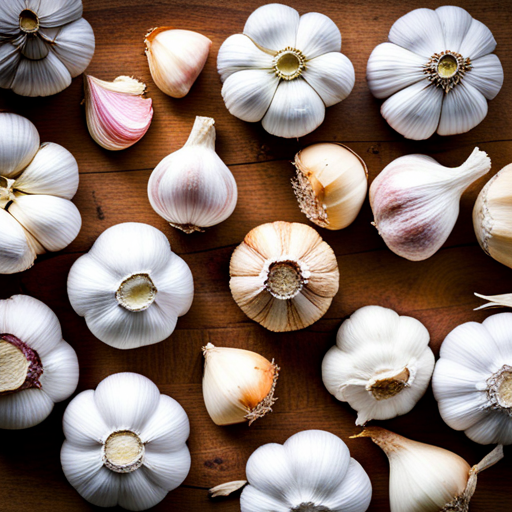
Growing garlic in a 5-gallon bucket is a great way to enjoy fresh, homegrown bulbs even if you lack garden space. This method works well for patios, balconies, and small yards. With the right garlic variety, soil mix, and care, you can harvest a flavorful crop.
Best Types of Garlic to Grow in a Bucket
Softneck and hardneck garlic both grow well in containers, but some varieties perform better than others. Softneck garlic, such as ‘California Early’ or ‘Inchelium Red,’ thrives in mild climates and stores well. Hardneck garlic, like ‘German Extra Hardy’ or ‘Music,’ produces larger cloves and grows well in colder climates. If you want garlic with a mild, buttery flavor, try ‘Chesnok Red.’
How Many Cloves Per Bucket?
A 5-gallon bucket provides enough space for six to eight garlic cloves. Spacing is important to ensure proper root development and bulb growth. Place cloves about 4 inches apart in a circular pattern. This setup allows each bulb to grow without competition for nutrients.
Choosing the Right Soil Mix
Garlic thrives in loose, well-draining soil with plenty of organic matter. A good mix includes:
- 60% high-quality potting soil
- 30% compost or aged manure
- 10% perlite or sand for drainage
Avoid heavy or compacted soil, which restricts root growth. Adding organic matter improves aeration and nutrient availability.
Sunlight Requirements
Garlic needs at least six to eight hours of direct sunlight each day. Place the bucket in a sunny spot, such as a patio or balcony. If growing indoors, use a grow light to supplement natural light. Without enough sun, garlic bulbs remain small and underdeveloped.
Watering Needs
Garlic requires consistent moisture, but overwatering leads to rot. Water deeply once or twice a week, allowing the top inch of soil to dry out between waterings. During rainy periods, reduce watering to prevent soggy conditions. A well-draining bucket with holes at the bottom ensures excess water escapes.
Fertilizing Garlic in a Bucket
Garlic benefits from regular feeding throughout its growth cycle. When planting, mix in an organic fertilizer high in nitrogen, such as blood meal or fish emulsion. After sprouting, feed every three to four weeks with a balanced fertilizer or compost tea. As the bulbs mature, switch to a low-nitrogen fertilizer to encourage bulb development instead of leaf growth.
Common Problems and How to Fix Them
Yellowing Leaves
If garlic leaves turn yellow too soon, it may indicate overwatering, poor drainage, or nutrient deficiencies. Ensure the bucket has proper drainage holes and avoid watering too often. Adding compost or a balanced fertilizer replenishes missing nutrients.
Small Bulbs
Small garlic bulbs often result from overcrowding, insufficient sunlight, or poor soil quality. Spacing cloves properly and providing enough direct sunlight helps bulbs grow larger. Refreshing soil nutrients with compost or fertilizer ensures strong bulb development.
Pest Issues
Aphids and onion thrips sometimes attack garlic plants. Spraying plants with neem oil or insecticidal soap helps control these pests. Companion planting with onions, chives, or marigolds deters unwanted insects naturally.
Rot and Mold
Excess moisture can cause fungal issues like white rot or mold. Using a well-draining soil mix, placing buckets in a sunny spot, and avoiding overhead watering reduces the risk of disease. If signs of rot appear, remove affected plants and avoid reusing contaminated soil.
Harvesting and Storing Garlic
Garlic takes about eight months to mature. When the lower leaves turn yellow and dry out, it’s time to harvest. Gently loosen the soil and pull the bulbs out by hand. Let them cure in a dry, well-ventilated area for two to three weeks before storing. Store garlic bulbs in a cool, dry place to enjoy fresh cloves for months.
Happy Bucket Gardening!
Growing garlic in a 5-gallon bucket is simple and rewarding. With proper care, you can enjoy a steady supply of flavorful garlic year-round.
Please be sure to check out my Gardening Blog Post Page for more tips on all types of gardening. Including Seed Saving, Seed Starting, Orchids, Water Gardening, Coldframe Gardening, Indoor Bulb Gardening, Hydroponics, Container Gardening, Mums, Herbs, African Violets, planting Bulbs, Flower Gardening, Vegetable and Fruit Gardening, Indoor Houseplants of all kinds, Cactus, Succulents, Hanging plants, Deer resistant plants and even Bird, Bee, Butterfly and Hummingbird Gardens!