
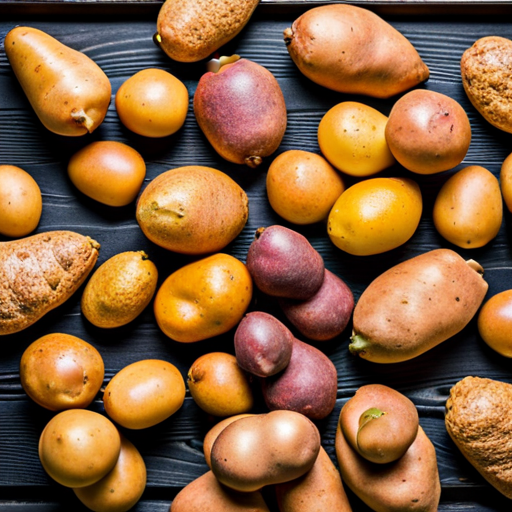
Growing potatoes in a 5-gallon bucket is an excellent way to produce a fresh harvest in a small space. This method works well for urban gardeners, those with limited outdoor space, or anyone wanting an easy and controlled way to grow potatoes. With the right variety, proper soil, and correct care, you can enjoy a successful potato harvest right from your patio or balcony.
Best Types of Potatoes to Grow in a Bucket
Choosing the right type of potato is essential for a good harvest. Some varieties perform better in containers than others. The best options include:
- Yukon Gold – Produces medium-sized, buttery potatoes that thrive in small spaces.
- Red Pontiac – A fast-growing variety with smooth red skin and creamy flesh.
- Fingerling Potatoes – Small, flavorful potatoes that grow well in limited space.
- Russet Potatoes – Ideal for baking and frying but require a little more time to mature.
- Kennebec – A high-yielding variety that resists disease and pests.
Choose seed potatoes from a reputable source to avoid disease and ensure strong growth.
How Many Potatoes Can You Grow Per Bucket?
A 5-gallon bucket provides enough space to grow two to three seed potatoes comfortably. Overcrowding leads to smaller potatoes and weak growth. If you have limited space, stick to two seed potatoes per bucket for better airflow and nutrient availability.
Choosing the Right Soil for Growing Potatoes
Potatoes need well-draining, nutrient-rich soil to thrive. A mix of potting soil, compost, and sand works best. This combination ensures proper aeration and drainage while supplying essential nutrients. Avoid using heavy garden soil, which can become compacted and prevent tubers from developing properly.
To create the perfect soil mix, combine:
- 60% high-quality potting soil
- 30% compost
- 10% sand or perlite for drainage
Adding bone meal or organic fertilizer at planting time gives the potatoes a good nutrient boost.
Sunlight Requirements for Bucket-Grown Potatoes
Potatoes need at least 6-8 hours of direct sunlight per day to grow well. Place your buckets in a sunny location, such as a patio, balcony, or yard area that receives full sun. If growing indoors or in a shaded area, consider using grow lights to supplement light exposure.
How to Water Potatoes in a Bucket
Consistent moisture is key to healthy potato growth. Keep the soil evenly moist but not soggy. Overwatering causes rot, while underwatering leads to small or deformed potatoes. Check the soil by sticking your finger about 2 inches deep—if it feels dry, it’s time to water.
Water thoroughly until you see excess water draining from the bottom of the bucket. Ensure your bucket has several drainage holes to prevent water from pooling at the bottom.
Best Fertilizer for Potatoes
Potatoes are heavy feeders, so they need regular fertilization. Use a balanced organic fertilizer 10-10-10 every two to three weeks during the growing season. A side dressing of compost or well-rotted manure also boosts nutrients.
As the plants begin to flower, switch to a high-potassium fertilizer to promote tuber growth. Avoid excessive nitrogen, as it encourages leafy growth at the expense of potatoes.
Common Problems and How to Fix Them
1. Potatoes Turning Green
Exposure to sunlight causes potatoes to turn green, making them toxic. To prevent this, keep the tubers covered with soil and add more soil as the plant grows.
2. Overwatering and Root Rot
Too much water leads to root rot and fungal diseases. To fix this:
- Ensure buckets have drainage holes.
- Water only when the soil feels dry.
- Use a well-draining soil mix.
3. Pests and Disease
Potatoes are prone to pests like aphids, potato beetles, and fungal infections. Here’s how to manage them:
- Hand-pick beetles and larvae off the plants.
- Use neem oil or insecticidal soap for aphids.
- Rotate crops each season to prevent soil-borne diseases.
4. Weak or Small Potatoes
If your potatoes are too small, it could be due to poor soil, overcrowding, or insufficient nutrients. To improve growth:
- Use high-quality soil with compost.
- Plant no more than three seed potatoes per bucket.
- Apply fertilizer regularly.
Harvesting Potatoes from a Bucket
Potatoes take about 10-12 weeks to mature, depending on the variety. You’ll know they’re ready when the plant’s leaves turn yellow and start to die back. To harvest:
- Stop watering two weeks before harvesting to allow the skins to harden.
- Tip the bucket over onto a tarp or soft ground.
- Gently sift through the soil to collect the potatoes.
- Let them cure in a cool, dark place for a week before storing.
Final Thoughts
Growing potatoes in a 5-gallon bucket is a simple and rewarding way to enjoy homegrown produce. By choosing the right potato variety, using well-draining soil, and providing proper care, you can achieve a great harvest even in a small space. With consistent watering, fertilizing, and pest management, you’ll have fresh, delicious potatoes ready to enjoy in just a few months.
Please be sure to check out my Gardening Blog Post Page for more tips on all types of gardening. Including Seed Saving, Seed Starting, Orchids, Water Gardening, Coldframe Gardening, Indoor Bulb Gardening, Hydroponics, Container Gardening, Mums, Herbs, African Violets, planting Bulbs, Flower Gardening, Vegetable and Fruit Gardening, Indoor Houseplants of all kinds, Cactus, Succulents, Hanging plants, Deer resistant plants and even Bird, Bee, Butterfly and Hummingbird Gardens!