
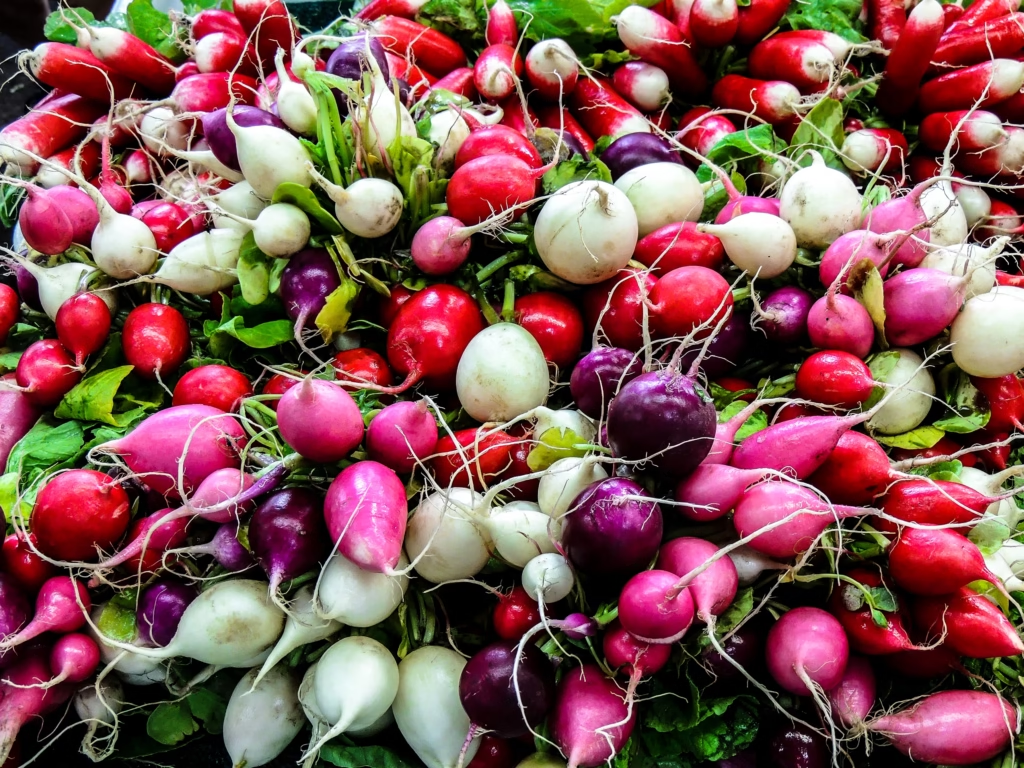
Growing radishes in a 5-gallon bucket is an easy and rewarding way to enjoy fresh, homegrown vegetables. Radishes grow quickly, require minimal space, and thrive in containers. Whether you want crisp salad radishes or long-rooted varieties, you can successfully grow them with the right setup. This guide will cover the best radish types for container gardening, how many seeds to plant, soil requirements, sunlight needs, watering schedule, fertilization, and common problems with solutions.
Best Types of Radishes
Some radishes grow better in containers than others. The best types for a 5-gallon bucket include:
- Cherry Belle – A classic round radish that matures in 22-30 days.
- French Breakfast – An elongated, mild radish that grows well in shallow containers.
- Easter Egg – A colorful mix of round radishes that mature at different times.
- White Icicle – A longer radish that does well in deep soil.
- Daikon – A long-rooted variety that requires deeper soil but grows well in buckets at least 12 inches deep.
Choose a variety that suits your space and taste preferences. If using a deeper bucket, you can try growing daikon or White Icicle radishes.
Planting Seeds
A 5-gallon bucket provides enough space for multiple radish plants. Sow seeds about 1 inch apart in rows or a circular pattern. Each bucket can hold 10-12 radish plants comfortably. Avoid overcrowding, as radishes need space to develop healthy roots.
Soil for your Buckets
Radishes grow best in loose, well-draining soil with good aeration. Use a high-quality potting mix or create your own by combining:
- 50% potting soil
- 25% compost for nutrients
- 25% perlite or sand for drainage
Avoid heavy clay soil, as it can cause poor root development. Radishes prefer a soil pH between 5.5 and 6.8.
Sunlight and Watering
Radishes need at least 6 hours of direct sunlight daily. Place the bucket in a sunny spot on a balcony, patio, or near a south-facing window if growing indoors. If sunlight is limited, use a grow light to supplement.
Radishes need consistently moist soil but should not sit in water. Follow these watering tips:
- Water deeply when the top inch of soil feels dry.
- Use a watering can or hose with a gentle spray.
- Avoid overwatering, which can cause root rot.
Check the moisture level regularly, especially in hot weather, to keep radishes from drying out.
Fertilizing
Radishes do not require heavy feeding, but a little fertilization helps them grow well. Use a balanced, slow-release fertilizer before planting or apply a liquid fertilizer every two weeks. Choose one with lower nitrogen levels to promote root growth instead of excessive leafy growth. A 5-10-10 fertilizer works well for radishes.
Common Issues and How to Resolve
Growing radishes in a 5-gallon bucket reduces many common garden pests and diseases, but some issues may still arise.
- Radishes not forming bulbs – This often happens due to overcrowding, too much nitrogen, or hot weather. Thin seedlings to 1 inch apart and avoid over-fertilizing with nitrogen-heavy products.
- Leaves turning yellow – Overwatering or poor drainage can lead to yellowing leaves. Ensure the bucket has drainage holes and let the soil dry slightly between waterings.
- Pests (aphids, flea beetles) – Spray plants with a mild soapy water solution or introduce beneficial insects like ladybugs to control pests naturally.
- Bolting (flowering too early) – Radishes bolt in hot temperatures. Grow them in cooler months and provide shade during extreme heat.
Harvesting Radishes
Most radishes are ready to harvest within 25-40 days. Check the size of the roots by gently brushing away the topsoil. If they are about 1 inch in diameter, they are ready to pick. Pull them gently from the soil and rinse them before storing.
Conclusion
By following these steps, you can successfully grow radishes in a 5-gallon bucket and enjoy fresh, crunchy vegetables from your container garden. With the right soil, sunlight, and care, your radish crop will thrive in small spaces.
Please be sure to check out my Gardening Blog Post Page for more tips on all types of gardening. Including Seed Saving, Seed Starting, Orchids, Water Gardening, Coldframe Gardening, Indoor Bulb Gardening, Hydroponics, Container Gardening, Mums, Herbs, African Violets, planting Bulbs, Flower Gardening, Vegetable and Fruit Gardening, Indoor Houseplants of all kinds, Cactus, Succulents, Hanging plants, Deer resistant plants and even Bird, Bee, Butterfly and Hummingbird Gardens!