

If you want to grow fresh vegetables but have limited space, planting broccoli and cauliflower in 5-gallon buckets is a great solution. These cool-weather crops thrive in containers when given the right care. With proper soil, sunlight, water, and fertilizer, you can enjoy a healthy harvest right from your patio or balcony.
Best Types of Broccoli and Cauliflower for Containers
Certain varieties of broccoli and cauliflower perform better in containers than others. For broccoli, compact types like ‘De Cicco,’ ‘Waltham 29,’ and ‘Green Magic’ work well. These varieties produce smaller heads, making them perfect for bucket gardening. For cauliflower, consider ‘Snow Crown,’ ‘Rober,’ or ‘Graffiti.’ These varieties adapt well to containers and mature quickly.
How Many Seeds or Plants Per Bucket?
A 5-gallon bucket provides enough space for one broccoli or cauliflower plant. These plants need room to grow and develop their heads. If you plant multiple seeds, thin them out once they sprout, leaving only the strongest seedling to grow. Overcrowding can lead to stunted growth and smaller yields.
Choosing the Right Soil
Broccoli and cauliflower need rich, well-draining soil to thrive. Use a high-quality potting mix that includes compost or organic matter. Adding perlite or vermiculite improves drainage, preventing root rot. A soil pH between 6.0 and 7.0 works best for these crops. This soil meter is perfect for measuring not only pH levels but also nutrient and moisture levels.
Sunlight Requirements
These vegetables need at least 6 to 8 hours of direct sunlight daily. Place the buckets in a location that receives full sun. If growing them in a shaded area, they may become leggy and fail to produce healthy heads. If necessary, rotate the buckets to ensure even sun exposure.
Watering Needs
Consistent moisture is crucial for growing healthy broccoli and cauliflower. Water deeply whenever the top inch of soil feels dry. In warmer weather, this may mean watering every day. However, avoid overwatering, as soggy soil can cause root rot. Using a bucket with drainage holes prevents excess water from sitting at the bottom.
Fertilizing for Healthy Growth
Broccoli and cauliflower are heavy feeders. Use a balanced fertilizer, such as a 10-10-10 mix, every two weeks during the growing season. For an organic option, apply compost tea, fish emulsion, or a slow-release fertilizer. Boosting nitrogen early in the growth cycle encourages leafy development, while phosphorus and potassium help form strong heads.
Common Problems and How to Fix Them
Pests
Cabbage worms, aphids, and flea beetles often attack broccoli and cauliflower. Check the leaves regularly for signs of damage. Use neem oil or insecticidal soap to keep pests away. Hand-picking caterpillars also helps control infestations.
Bolting
When temperatures rise above 75°F, broccoli and cauliflower may bolt, causing them to flower instead of producing edible heads. To prevent bolting, grow them in cooler seasons and provide shade during hot afternoons.
Yellowing Leaves
Yellow leaves often indicate nutrient deficiencies. If the lower leaves turn yellow, the plant may need more nitrogen. Apply a balanced fertilizer or compost to restore nutrients.
Small or No Heads
If your broccoli or cauliflower plants fail to form heads, they may not be getting enough sunlight, nutrients, or water. Ensure they receive full sun, regular feeding, and consistent watering to encourage proper development.
Harvesting and Enjoying Your Homegrown Vegetables
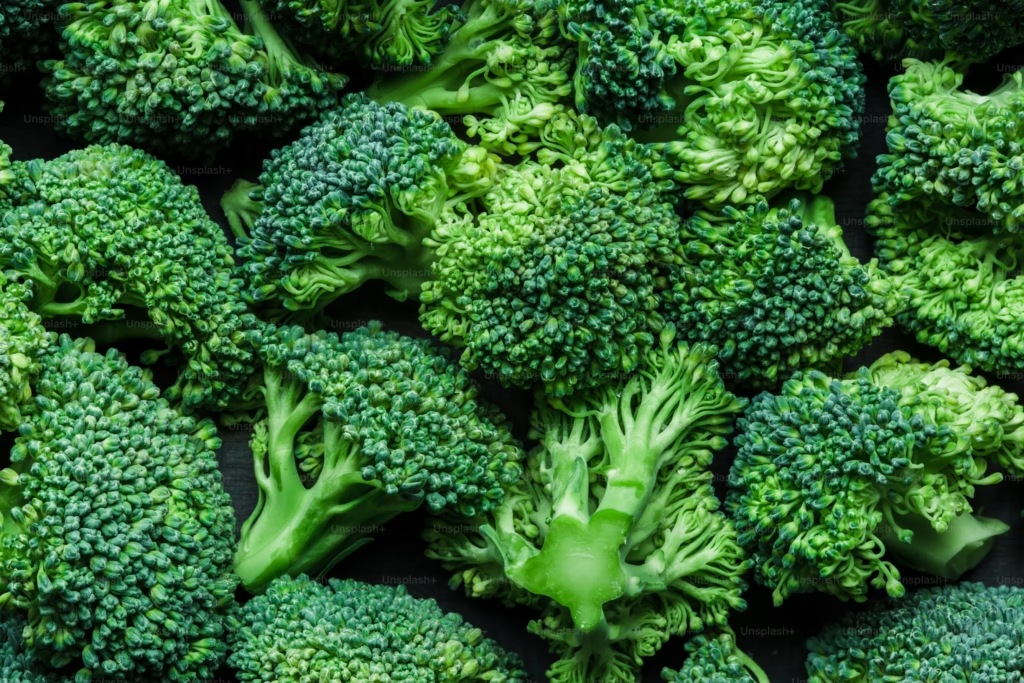
Broccoli is ready to harvest when the heads are firm and deep green. Cut the main head with a sharp knife, leaving some stem and smaller side shoots. These side shoots will continue producing smaller heads for several weeks.
Cauliflower should be harvested when the heads reach full size but before they start separating. Wrap the leaves around the head to protect it from sun exposure, which helps maintain a white color. Cut the head at the base, and enjoy your fresh, homegrown produce!
Final Thoughts
Growing broccoli and cauliflower in 5-gallon buckets is a rewarding way to produce fresh vegetables at home. With the right care, you can enjoy a bountiful harvest even in a small space.
Please be sure to check out my Gardening Blog Post Page for more tips on all types of gardening. Including Seed Saving, Seed Starting, Orchids, Water Gardening, Coldframe Gardening, Indoor Bulb Gardening, Hydroponics, Container Gardening, Mums, Herbs, African Violets, planting Bulbs, Flower Gardening, Vegetable and Fruit Gardening, Indoor Houseplants of all kinds, Cactus, Succulents, Hanging plants, Deer resistant plants and even Bird, Bee, Butterfly and Hummingbird Gardens!