
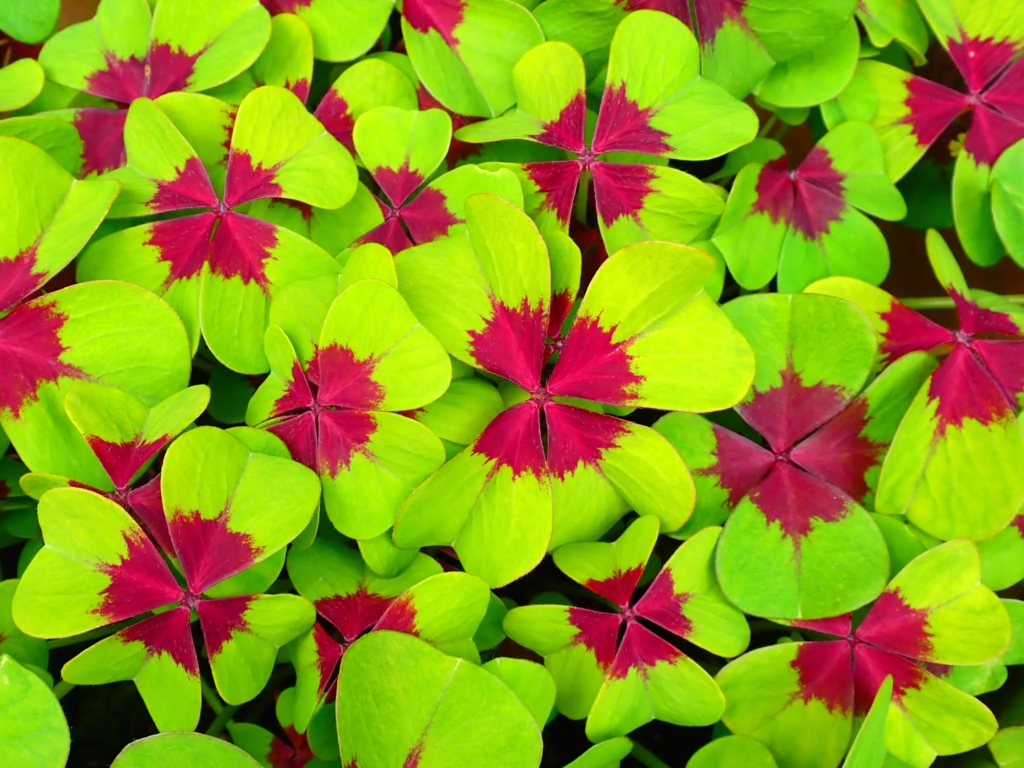
Oxalis, also known as wood sorrel or shamrock plant, is a beautiful and easy-to-grow plant that thrives in gardens and containers. Whether you choose a variety with bright green leaves or deep purple foliage, Oxalis adds charm to any space. This guide will help mastering how to grow Oxalis successfully, from planting to winter care.
When and How to Plant Oxalis by Zone
Oxalis grows well in USDA zones 6–11, but planting times vary based on climate. In warmer zones (9–11), plant bulbs in fall or early winter to enjoy blooms by spring. In cooler zones (6–8), plant in early spring after the last frost when soil temperatures reach at least 60°F. If you live in a colder zone, grow Oxalis in containers and bring them indoors during winter.
To start Oxalis indoors, plant bulbs six to eight weeks before the last expected frost. Once the weather warms, transplant them outdoors. This method gives the bulbs a head start, resulting in earlier blooms.
Preparing the Soil for Oxalis
Oxalis prefers well-draining, loose soil with a slightly acidic to neutral pH (6.0–7.0). Before planting, improve the soil by mixing organic matter such as compost or peat moss. If you have heavy clay soil, add sand or perlite to improve drainage.
For container planting, choose a pot with drainage holes and use a high-quality potting mix. Avoid heavy garden soil, which retains too much moisture and can cause bulb rot.
How to Plant Oxalis Bulbs
Plant Oxalis bulbs about one to two inches deep with the pointed end facing up. Space them three to four inches apart to allow room for growth. Cover them with soil and water thoroughly. Oxalis grows quickly and typically sprouts within two to four weeks.
When planting in containers, follow the same depth guidelines. If planting multiple bulbs in a single pot, arrange them evenly for a full, lush look.
Fertilizing Oxalis for Healthy Growth
Oxalis does not require heavy feeding, but applying a balanced fertilizer helps encourage strong growth and blooming. Use a liquid fertilizer diluted to half strength every two to three weeks during the growing season. An all-purpose fertilizer with equal parts nitrogen, phosphorus, and potassium (such as 10-10-10) works well.
If growing in containers, fertilize slightly more often since nutrients wash out faster with watering. Organic options like fish emulsion or compost tea also provide excellent nourishment for Oxalis.
After-Bloom Care for Oxalis
Once Oxalis finishes blooming, its foliage remains attractive for weeks or even months. Keep the soil slightly moist but reduce watering when the plant begins to enter dormancy. The leaves will naturally yellow and die back. At this stage, stop fertilizing and allow the plant to rest.
If growing Oxalis in the ground, leave the bulbs undisturbed. They will regrow when the conditions become favorable again. In containers, move the pots to a cool, dry place and withhold water until new growth appears.
Winter Care for Oxalis
Oxalis is hardy in warm climates but needs protection in colder regions. In zones 9–11, the plant remains active year-round, requiring little winter care. In zones 6–8, mulch over garden beds with a two-inch layer of straw or leaves to insulate the bulbs from freezing temperatures.
For container-grown Oxalis, move pots indoors before frost arrives. Place them in a bright window and reduce watering during dormancy. If you prefer, store dormant bulbs in a paper bag filled with dry peat moss or vermiculite until spring.
Enjoy Oxalis Year After Year
Oxalis is an easy-care plant that rewards gardeners with beautiful foliage and delicate flowers. By following these planting, soil preparation, and care tips, you can enjoy healthy growth and blooms season after season. Whether in garden beds or containers, Oxalis adds a vibrant touch to any space.
Please be sure to check out my Gardening Blog Post Page for more tips on all types of gardening. Including Seed Saving, Seed Starting, Orchids, Water Gardening, Coldframe Gardening, Indoor Bulb Gardening, Hydroponics, Container Gardening, Mums, Herbs, African Violets, planting Bulbs, Flower Gardening, Vegetable and Fruit Gardening, Indoor Houseplants of all kinds, Cactus, Succulents, Hanging plants, Deer resistant plants and even Bird, Bee, Butterfly and Hummingbird Gardens!