
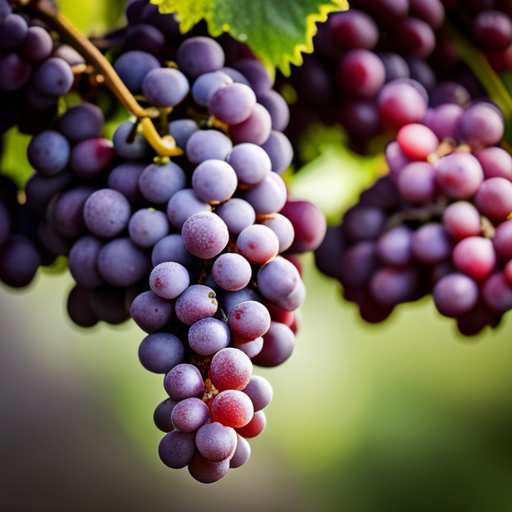
Growing grapes from seed can be a rewarding experience, but it all starts with properly saving the seeds. The process requires harvesting ripe grapes, extracting the seeds, drying them thoroughly, and storing them correctly. By taking the right steps, you can preserve their viability and ensure they sprout when planted.
Harvesting Grape Seeds
To save grape seeds, start by selecting fully ripe grapes from healthy vines. Look for deep-colored, plump fruits that easily separate from the stem. Once you have chosen the best grapes, cut them open and scoop out the seeds. Rinse them under cool water to remove any remaining pulp. A fine-mesh strainer works well for this step, helping to separate the seeds from the sticky fruit residue.
Drying Grape Seeds
After cleaning, spread the seeds on a paper towel or a piece of mesh in a dry, well-ventilated area. Avoid direct sunlight, as excessive heat can damage the seeds. Let them dry for about a week, making sure they are completely free of moisture before storage. If stored too soon, moisture can cause mold or premature germination, reducing their chances of successful growth.
Storing Grape Seeds in Envelopes
Once dry, place the seeds in a labeled seed envelope. Using paper envelopes instead of plastic prevents condensation buildup, which can cause mold. Label each envelope with the grape variety and the date collected. This helps keep track of seed viability and ensures you plant them at the right time.
Airtight Container for Storage
To maintain seed quality, store the labeled envelopes in an airtight container made of metal, plastic, or glass. Each option helps prevent moisture and pests from damaging the seeds. A metal tin provides excellent protection from light and temperature changes, while plastic or glass containers offer visibility and easy access. Keeping the seeds in a stable environment extends their viability, giving them the best chance to sprout when planted.
Silica Packets for Moisture Control
Humidity can shorten the lifespan of stored seeds, so adding silica gel packets to the airtight container helps absorb excess moisture. These packets keep the environment dry, preventing mold growth and seed degradation. If silica packets are not available, dry rice can serve as an alternative moisture absorber. Checking the container occasionally ensures that humidity levels remain low.
Best Storage Conditions for Grape Seeds
For long-term storage, keep the airtight container in a cool, dark place. A basement, refrigerator, or storage cabinet with stable temperatures works well. Ideally, grape seeds should stay at around 40°F (4°C) to maintain viability. Fluctuations in temperature can reduce germination rates, so a consistent environment is crucial. If using a refrigerator, place the container away from fruits and vegetables that release ethylene gas, which can affect seed quality.
Preparing Stored Seeds for Planting
Before planting, stored grape seeds need stratification to break dormancy. This process mimics winter conditions and improves germination. Place the seeds in a damp paper towel inside a plastic bag and store them in the refrigerator for about three months. Checking them periodically ensures they remain slightly moist but not wet. After stratification, they will be ready for planting in spring when outdoor temperatures warm up.
Happy Seed Saving!
Saving grape seeds for planting requires proper harvesting, drying, and storage methods to ensure success. By labeling seed envelopes, using an airtight container, and adding silica packets for moisture control, you can extend seed viability. Keeping them in a cool, dark place helps maintain their quality until it’s time to plant. With the right care, your stored grape seeds will be ready to sprout and grow into healthy vines.
Please be sure to check out my Gardening Blog Post Page for more tips on all types of gardening. Including Seed Saving, Seed Starting, Orchids, Water Gardening, Coldframe Gardening, Indoor Bulb Gardening, Hydroponics, Container Gardening, Mums, Herbs, African Violets, planting Bulbs, Flower Gardening, Vegetable and Fruit Gardening, Indoor Houseplants of all kinds, Cactus, Succulents, Hanging plants, Deer resistant plants and even Bird, Bee, Butterfly and Hummingbird Gardens!