
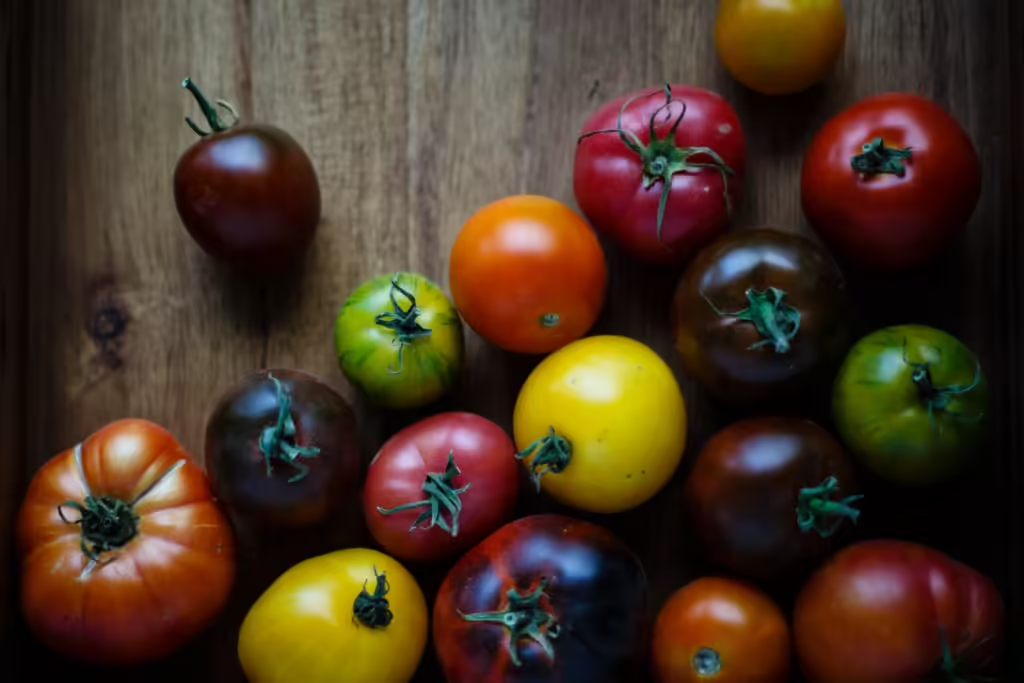
Growing tomatoes from seeds you collect ensures strong, healthy plants that adapt to your garden’s conditions. By saving seeds, you can preserve your favorite tomato varieties while saving money. Proper harvesting, drying, and storage will keep your seeds viable for planting next season.
Harvesting Tomato Seeds
Selecting ripe, healthy tomatoes from the best plants leads to high-quality seeds. Choose fully matured tomatoes from plants that produced the most flavorful and productive fruit. Avoid diseased or weak plants since their traits pass on to the next generation. Cut the tomato open and scoop out the seeds along with the surrounding gel. This gel contains growth inhibitors that prevent premature sprouting. Removing it ensures better germination rates when planting next year.
Fermenting and Drying Seeds
Fermenting seeds helps break down the gel coating and kills potential pathogens. Place the seeds and pulp in a glass container with a small amount of water. Stir them daily and allow the mixture to sit for two to three days. A layer of mold may form on the surface, which is a natural part of the process. Once the seeds sink to the bottom, pour off the mold, pulp, and excess water. Rinse the seeds thoroughly with clean water to remove any remaining residue. Spread them out on a non-stick surface such as a ceramic plate, coffee filter, or parchment paper. Avoid paper towels since they can stick to the seeds. Place them in a dry, well-ventilated area away from direct sunlight. Within a week or two, the seeds should be completely dry and ready for storage.
Storing Seeds in Envelopes
After drying, proper storage keeps seeds viable for planting next season. Seed envelopes work well because they allow seeds to stay dry while remaining easy to label and organize. Use a paper envelope rather than plastic to prevent moisture buildup. Label each envelope with the tomato variety and the date of collection. Adding extra details such as plant characteristics and growth habits helps with future planting decisions. Keeping detailed records prevents confusion and ensures you plant the right seeds for your garden.
Airtight Containers for Long Term Storage
To maintain seed viability, store seed envelopes in an airtight container. A metal, plastic, or glass container works well for protecting seeds from moisture and pests. Adding silica gel packets inside the container helps absorb excess humidity, preventing mold and rot. Place the container in a cool, dark, and dry location such as a basement, pantry, or refrigerator. Consistent temperatures between 32°F and 50°F help extend seed life, allowing you to use them for several growing seasons.
Checking Seed Viability
Even with proper storage, checking seed viability before planting ensures strong germination rates. A simple germination test involves placing a few seeds on a damp paper towel, folding it over, and keeping it in a warm place. If most seeds sprout within a week, they remain viable for planting. If only a few sprout, consider planting extra seeds to compensate for lower germination rates.
Benefits of Saving Tomato Seeds
Collecting tomato seeds from your best plants allows you to grow varieties suited to your garden’s conditions. Over time, these plants become more resistant to local pests and diseases. Saving seeds also reduces the need for store-bought packets, making your gardening more sustainable. Plus, preserving heirloom varieties helps maintain plant diversity for future generations.
Happy Seed Saving!
Taking the time to harvest, dry, and store tomato seeds correctly ensures a successful growing season next year. By using labeled envelopes, airtight containers, and proper storage methods, you can keep your seeds in the best condition for planting. With a little effort, you’ll enjoy homegrown tomatoes year after year.
Please be sure to check out my Gardening Blog Post Page for more tips on all types of gardening. Including Seed Saving, Seed Starting, Orchids, Water Gardening, Coldframe Gardening, Indoor Bulb Gardening, Hydroponics, Container Gardening, Mums, Herbs, African Violets, planting Bulbs, Flower Gardening, Vegetable and Fruit Gardening, Indoor Houseplants of all kinds, Cactus, Succulents, Hanging plants, Deer resistant plants and even Bird, Bee, Butterfly and Hummingbird Gardens!