
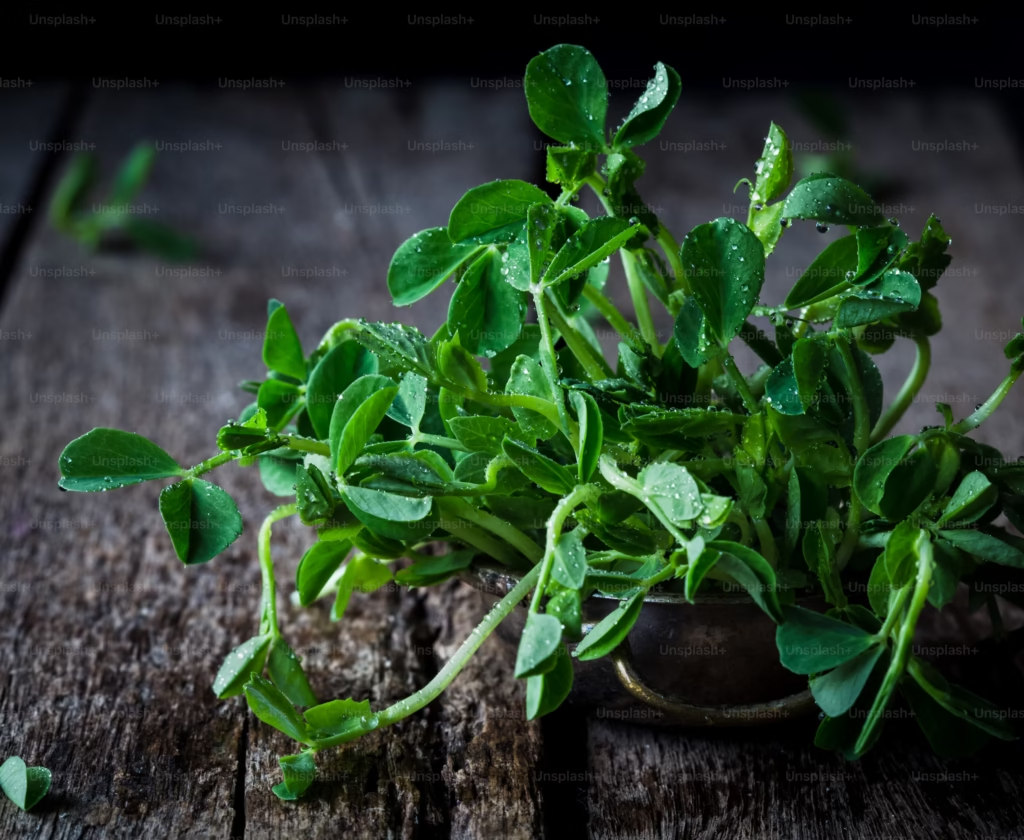
Starting pea seeds indoors allows you to get a head start on the growing season, especially in colder climates. Peas thrive in cool weather, but by beginning them inside, you can extend the harvest and enjoy fresh peas earlier. Understanding the best types of pea seeds, when to start them based on your growing zone, and how to care for the seedlings will set you up for success.
Choosing the Best Pea Seeds
Selecting the right pea variety is the first step. Shelling peas, also called garden peas, are a great choice if you want sweet, plump peas for fresh eating or cooking. Sugar snap peas have edible pods and offer a crisp texture. Snow peas, often used in stir-fries, also have edible pods but are flatter and more tender. Consider dwarf or bush varieties if you have limited space, or go for vining types if you plan to provide support. Look for disease-resistant varieties to increase success.
When to Start Pea Seeds Indoors by Zone
The right time to start pea seeds depends on your USDA growing zone. Peas prefer cool temperatures and should be planted outside as soon as the soil is workable.
- Zones 3-5: Start seeds indoors 4-6 weeks before the last expected frost. Transplant them outside when daytime temperatures consistently reach 40-50°F.
- Zones 6-7: Start seeds 3-4 weeks before the last frost. Plant them outside once the ground has thawed and is no longer frozen.
- Zones 8-10: Peas grow best as a fall or winter crop. Start seeds indoors in late summer and transplant them outside when temperatures drop below 75°F.
Choosing the Right Seed-Starting Mix and Containers
Pea seeds need well-draining, lightweight seed-starting mix. Avoid regular garden soil, which can be too heavy and retain too much moisture. Use a mix that includes peat, coconut coir, perlite, and vermiculite to create the perfect environment for sprouting.
For containers, choose seed trays, biodegradable pots, or small plastic cups with drainage holes. Biodegradable pots work well because you can plant them directly in the garden without disturbing the roots. If using plastic containers, make sure they have holes to prevent excess moisture buildup.
Using a Grow Light and Heat Mat
Although peas germinate best in cool conditions, consistent warmth encourages faster sprouting. Use a heat mat set to 65-70°F to speed up germination. Peas typically sprout within 7-10 days.
Once seedlings emerge, provide 12-16 hours of light daily. A grow light set a few inches above the plants will ensure strong, healthy growth. Without enough light, pea seedlings become leggy and weak. Raise the light as the seedlings grow to prevent them from stretching toward the light source.
Thinning Pea Seedlings
Once your pea seedlings have grown a few inches tall, thinning becomes necessary. Crowded plants compete for nutrients, water, and light. Choose the strongest seedlings and trim the weaker ones at the soil level with scissors. Aim to leave about 2-3 inches of space between each plant. Thinning improves airflow, reduces disease risk, and promotes better root development.
Hardening Off Pea Seedlings
Before transplanting peas outdoors, they need to adjust to outdoor conditions. This process, called hardening off, strengthens the plants and prevents transplant shock.
Start by placing the seedlings outside in a sheltered, shady area for an hour or two each day. Gradually increase their exposure to sunlight and outdoor temperatures over 7-10 days. Avoid putting them outside on windy days or during extreme temperature changes. By the end of the hardening-off period, the plants should be ready for full sun and outdoor conditions.
When and How to Plant Peas Outside
Once the seedlings have hardened off, it’s time to plant them in the garden. Peas grow best in well-draining soil with plenty of organic matter. Work compost into the planting area to provide essential nutrients.
Plant seedlings about 2 inches apart in rows or blocks. If growing vining varieties, place a trellis or support system at planting time to prevent disturbing the roots later. Water the plants well after transplanting, and continue to keep the soil evenly moist as they establish.
Final Tips for Success
- Watering: Peas prefer consistent moisture but dislike soggy soil. Water at the base to avoid wetting the leaves, which can lead to disease.
- Mulching: Adding a light layer of mulch around the plants helps retain moisture and regulate soil temperature.
- Fertilizing: Peas fix nitrogen in the soil, so they don’t need heavy fertilization. A light feeding of compost tea or a balanced organic fertilizer supports healthy growth.
Starting pea seeds indoors gives you an advantage in the garden, especially in colder climates. By choosing the right seeds, using proper seed-starting techniques, and following best practices for transplanting, you’ll enjoy an early and abundant pea harvest. Follow these steps, and you’ll have healthy pea plants ready to thrive outdoors when the time is right.
Please be sure to check out my Gardening Blog Post Page for more tips on all types of gardening. Including Seed Saving, Seed Starting, Orchids, Water Gardening, Coldframe Gardening, Indoor Bulb Gardening, Hydroponics, Container Gardening, Mums, Herbs, African Violets, planting Bulbs, Flower Gardening, Vegetable and Fruit Gardening, Indoor Houseplants of all kinds, Cactus, Succulents, Hanging plants, Deer resistant plants and even Bird, Bee, Butterfly and Hummingbird Gardens!