
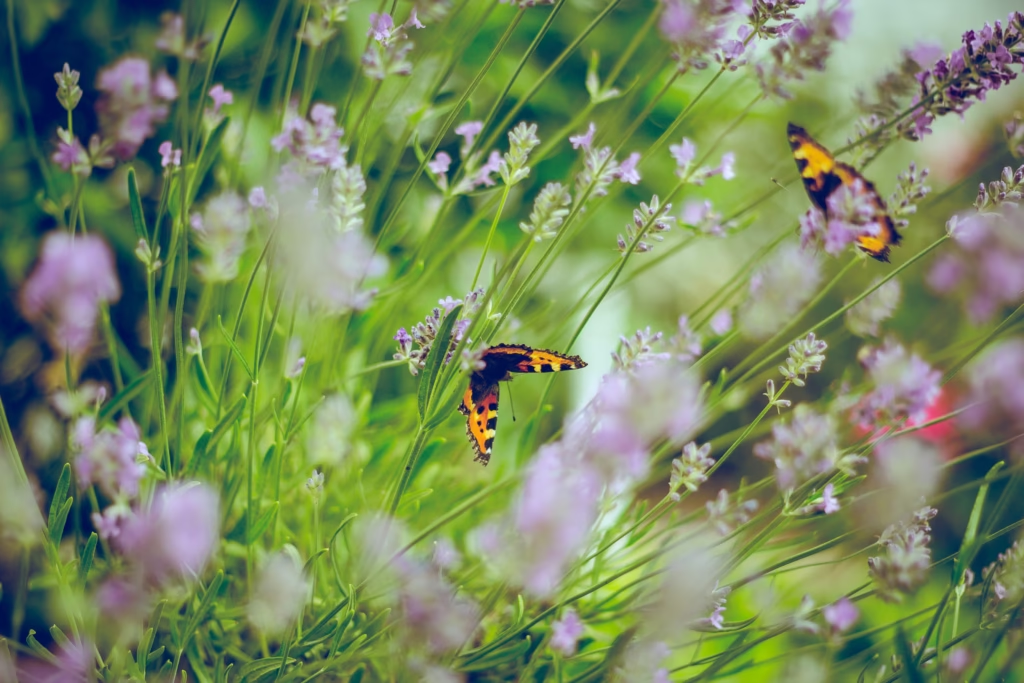
Spring is the perfect time to rejuvenate your garden. With the changing season comes an opportunity to plant vibrant flowers, climbing vines, hardy bushes, and aromatic herbs. Choosing the right spring plants for garden and your growing zone ensures success. Proper soil preparation and care make all the difference. Let’s dive into the best spring plants for each zone, along with tips for soil preparation, planting, and maintenance.
Understanding Your Growing Zone
Before selecting plants, you need to know your USDA hardiness zone. These zones, ranging from 1 (coldest) to 13 (warmest), help determine which plants will thrive in your area. For example:
- Zones 3-5: Cooler climates with shorter growing seasons.
- Zones 6-8: Moderate climates ideal for many plants.
- Zones 9-11: Warmer regions with longer growing seasons.
Each zone offers specific opportunities for planting flowers, vines, bushes, and herbs in spring. Once you know your zone, you can plan accordingly.
Spring Flowers for Every Zone
Flowers add vibrant color and life to your garden. Here are ideal spring blooms for each zone:
- Zones 3-5: Hardy perennials like tulips, daffodils, and crocuses thrive in these cooler areas. These bulbs should be planted in the fall but will bloom in early spring. Additionally, pansies and violas can be planted as soon as the soil thaws.
- Zones 6-8: You can plant classic spring favorites like primroses, irises, and hyacinths. For a longer-lasting display, consider snapdragons and sweet alyssum.
- Zones 9-11: In warmer climates, marigolds, petunias, and geraniums offer reliable blooms throughout spring and into summer.
To plant flowers, loosen the soil to a depth of 8-12 inches, mix in organic compost, and ensure good drainage. Water newly planted flowers deeply and regularly to establish strong roots.
Spring Vines to Elevate Your Garden
Vines add vertical interest and can serve as natural screens. Consider these options for spring planting:
- Zones 3-5: Clematis is a hardy vine that blooms beautifully in cooler climates. Plant it in full sun with a trellis or support.
- Zones 6-8: Honeysuckle and climbing roses are excellent choices. They thrive in moderate climates and attract pollinators like bees and butterflies.
- Zones 9-11: Bougainvillea and passionflower are perfect for warmer zones. These vigorous growers add color and texture to fences and pergolas.
Prepare the soil for vines by adding compost and ensuring it drains well. Plant vines near a sturdy support structure and water consistently during the growing season.
Bushes for Spring Planting
Bushes provide structure, greenery, and seasonal blooms. Here are great options for spring planting:
- Zones 3-5: Forsythia and lilacs are cold-hardy and bring bursts of yellow and purple in spring.
- Zones 6-8: Hydrangeas and azaleas do well in moderate zones. They add lush greenery and colorful flowers to your landscape.
- Zones 9-11: Camellias and gardenias thrive in warmer climates. Their fragrant blooms are perfect for spring gardens.
When planting bushes, dig a hole twice as wide as the root ball and just as deep. Add organic matter to the soil, position the bush, and fill the hole with soil, pressing down gently. Water thoroughly to eliminate air pockets and help the roots settle.
Aromatic Herbs to Plant in Spring
Fresh herbs elevate your cooking and bring fragrance to your garden. Plant these herbs in spring for a bountiful harvest:
- Zones 3-5: Parsley, chives, and thyme are hardy herbs that can handle cooler weather.
- Zones 6-8: Basil, dill, and oregano grow well in moderate climates. These herbs thrive in full sun and well-draining soil.
- Zones 9-11: Rosemary, cilantro, and mint flourish in warmer zones. Plant them in garden beds or containers for convenience.
Prepare the soil by mixing in compost or well-rotted manure. Herbs prefer loose, fertile soil with good drainage. Water them early in the morning to prevent disease and encourage healthy growth.
Preparing Your Soil for Spring Planting
Healthy soil is the foundation of a thriving garden. Follow these steps to prepare your soil for spring:
- Test Your Soil: Use a soil test meter to check the pH and nutrient levels. Most plants prefer a slightly acidic to neutral pH (6.0-7.0).
- Remove Debris: Clear away any leftover leaves, weeds, or debris from the winter.
- Loosen the Soil: Use a garden fork or tiller to break up compacted soil. This improves aeration and drainage.
- Add Organic Matter: Mix in compost, aged manure, or peat moss to enrich the soil with nutrients.
- Level the Surface: Rake the soil to create an even planting surface.
By preparing your soil properly, you create a nutrient-rich environment that supports healthy roots and vigorous growth.
Caring for Your Spring Garden
Once your plants are in the ground, consistent care ensures their success. Follow these essential tips:
- Watering: Water deeply and regularly, especially during the first few weeks after planting. Morning is the best time to water, as it allows leaves to dry before evening.
- Fertilizing: Apply a balanced, slow-release fertilizer during planting. For flowers and herbs, choose fertilizers specifically designed for blooms or edibles.
- Weeding: Remove weeds as soon as they appear. Weeds compete for nutrients and water, so keeping them under control is crucial.
- Pruning: Regularly prune vines, bushes, and flowers to encourage healthy growth and remove dead or damaged parts.
- Mulching: Add a layer of mulch around plants to retain moisture, regulate soil temperature, and reduce weed growth.
Conclusion
Spring is a season of renewal, and your garden can reflect that energy with the right flowers, vines, bushes, and herbs. By choosing plants suited to your zone, preparing your soil properly, and providing consistent care, you’ll create a vibrant and thriving garden. Whether you’re growing tulips in Zone 4, hydrangeas in Zone 7, or rosemary in Zone 10, your efforts will yield stunning results. Start planning your spring garden today and enjoy the beauty and bounty of the season!
Please be sure to check out my Gardening Blog Post Page for more tips on all types of gardening. Including Seed Saving, Seed Starting, Orchids, Water Gardening, Coldframe Gardening, Indoor Bulb Gardening, Hydroponics, Container Gardening, Mums, Herbs, African Violets, planting Bulbs, Flower Gardening, Vegetable and Fruit Gardening, Indoor Houseplants of all kinds, Cactus, Succulents, Hanging plants, Deer resistant plants and even Bird, Bee, Butterfly and Hummingbird Gardens!