
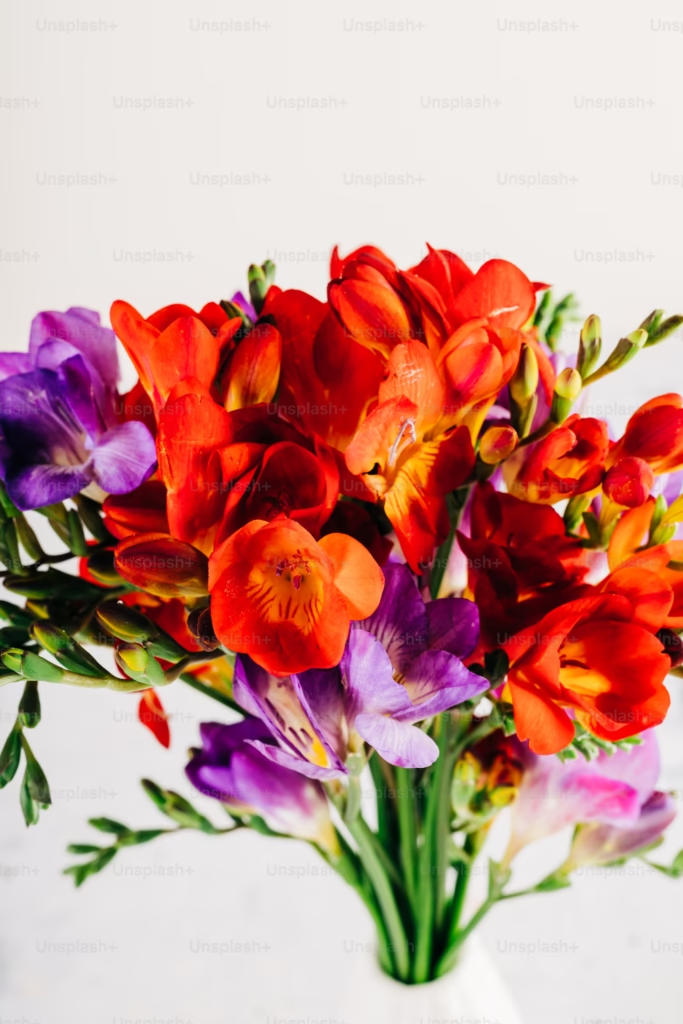
Freesias are fragrant, colorful flowers that bloom in the spring and summer. They thrive in well-draining soil and need full sun to produce their signature trumpet-shaped blooms. Whether you plant them in the garden or containers, proper care ensures a healthy, long-lasting display. Follow this guide on how do you grow freesias successfully in your climate.
When and How do you plant and grow Freesias by Zone
Freesias grow from corms, similar to bulbs. When to plant them depends on your growing zone:
- Zones 9-11: Plant freesia corms in the fall, around September to November, for spring blooms. The mild winters allow the corms to establish before flowering.
- Zones 6-8: Plant in late winter or early spring, around February to March, once the threat of frost has passed. You can also start corms indoors in late winter and transplant them once temperatures warm up.
- Zones 3-5: Freesias are not winter-hardy in these zones. Grow them in containers and bring them indoors during the cold months. Plant corms in early spring for summer blooms.
Preparing the Soil for Freesias
Freesias need well-draining, nutrient-rich soil to thrive. Before planting, loosen the soil to a depth of 8-10 inches. Mix in compost or aged manure to improve fertility and drainage. If your soil is heavy clay, add sand or perlite to enhance aeration. For container planting, use a high-quality potting mix with added perlite.
How Do you Plant Freesia Corms
Plant freesia corms 2 inches deep with the pointed end facing up. Space them about 3 inches apart to allow room for growth. In colder regions, planting a bit deeper—around 3 inches—helps protect the corms from temperature fluctuations.
Water the soil lightly after planting. Keep the soil slightly moist but not soggy to prevent rot. If planting in containers, ensure the pots have drainage holes.
Fertilizing Freesias for Healthy Blooms
Freesias benefit from balanced fertilization throughout their growth cycle:
- At planting: Use a slow-release balanced fertilizer, such as a 10-10-10 or 5-10-10 blend, to support root development.
- During growth: Once shoots emerge, feed with a liquid fertilizer every two weeks. A bloom-boosting fertilizer with higher phosphorus (like 5-10-10) encourages strong flowering.
- After blooming: Continue fertilizing every few weeks until the foliage starts to die back. This helps the corms store energy for the next growing season.
After-Bloom Care for Freesias
Once freesias finish blooming, remove spent flowers to prevent seed production. This encourages the plant to focus energy on strengthening the corms for future growth. Keep watering and fertilizing until the leaves naturally turn yellow and die back.
Avoid cutting back the foliage too soon. The leaves gather sunlight and help the corms store nutrients for the next season. Once the foliage has completely dried, you can trim it at soil level.
Winter Care for Freesias
Freesia winter care depends on your climate:
- Zones 9-11: In warm climates, freesia corms can stay in the ground year-round. They will go dormant in summer and re-sprout in fall.
- Zones 6-8: Apply a thick layer of mulch to protect the corms from frost. Alternatively, dig up the corms after the foliage dies back and store them in a cool, dry place until spring.
- Zones 3-5: Always dig up the corms before winter. Clean them, let them dry for a few days, and store them in a paper bag or mesh sack in a cool, dry place. Replant in spring for the next growing season.
Happy Freesia Gardening!
By following these steps, you can enjoy fragrant, long-lasting freesia blooms each year. With proper planting, fertilization, and care, these beautiful flowers will reward you with vibrant colors and delightful scents in your garden or containers.
Please be sure to check out my Gardening Blog Post Page for more tips on all types of gardening. Including Seed Saving, Seed Starting, Orchids, Water Gardening, Coldframe Gardening, Indoor Bulb Gardening, Hydroponics, Container Gardening, Mums, Herbs, African Violets, planting Bulbs, Flower Gardening, Vegetable and Fruit Gardening, Indoor Houseplants of all kinds, Cactus, Succulents, Hanging plants, Deer resistant plants and even Bird, Bee, Butterfly and Hummingbird Gardens!