
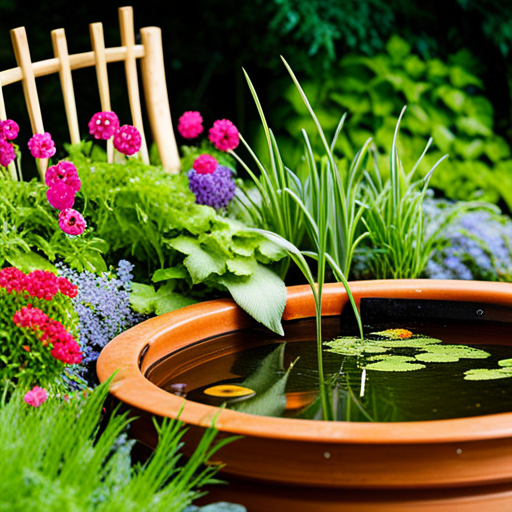
Creating a beautiful garden in a small outdoor space may seem challenging, but with the right plants and design, you can transform any area into a lush retreat. Whether you have a balcony, patio, or tiny backyard, selecting compact plants and combining them effectively will make your space feel larger and more inviting. Here is a list of 20 best plants for small outdoor spaces, along with tips for soil preparation, watering, fertilizing, and overwintering to help you get started.
Top 20 Plants for Small Spaces
- Lavender – Compact varieties like ‘Hidcote’ provide fragrance and blooms.
- Thyme – This low-growing herb works well in borders and containers.
- Sedum – Succulent varieties add texture and require minimal care.
- Hosta – Perfect for shady spots, hostas come in many colors and patterns.
- Ferns – Great for adding greenery to shaded areas.
- Heuchera – Colorful foliage makes this plant a standout in containers.
- Pansies – Ideal for adding seasonal color in spring and fall.
- Begonias – These thrive in pots and shaded areas.
- Calibrachoa – Small, petunia-like flowers bloom all summer in containers.
- Dwarf Hydrangeas – Compact versions like ‘Little Lime’ fit well in small spaces.
- Dwarf Roses – Easy to maintain and provide beautiful blooms.
- Petunias – Great for hanging baskets and planters.
- Succulents – Ideal for sunny spots and require little water.
- Boxwood – Use this evergreen shrub for structure and edging.
- Mint – Grow in containers to prevent spreading.
- Marigolds – Bright, cheerful flowers repel pests naturally.
- Chives – These herbs work well in small beds and pots.
- Salvia – Attractive to pollinators and offers vertical interest.
- Zinnias – Add bold colors and thrive in sunny spots.
- Snapdragons – Provide height and vibrant color in beds or containers.
Designing a Small Outdoor Garden
When designing a small outdoor garden, focus on vertical space and layers. Use shelves, wall planters, and hanging baskets to make the most of your area. Place taller plants like snapdragons or dwarf hydrangeas toward the back of containers or garden beds. Add medium-sized plants like lavender and heuchera in the middle. Use low-growing options such as thyme and sedum to fill in gaps and create texture.
Combine colors and foliage to create visual interest. Mix flowering plants like zinnias with greenery like ferns to balance the design. Incorporate containers in different shapes and sizes for variety. Raised beds can also maximize planting space and improve drainage.
Soil Preparation
Good soil provides the foundation for healthy plants. Start by clearing any weeds or debris. Add compost or organic matter to improve soil fertility and drainage. For containers, choose a high-quality potting mix that retains moisture while allowing excess water to drain.
Check the pH level of your soil to match your plants’ needs. Most plants prefer slightly acidic to neutral soil, around a pH of 6.0 to 7.0. For succulents and herbs, use a sandy or well-draining mix to prevent root rot.
Watering and Fertilizing
Watering requirements vary based on plant type, container size, and sunlight. Check the soil moisture regularly by sticking your finger into the soil. Water deeply when the top inch feels dry. Avoid overwatering, especially in containers, as poor drainage can lead to root rot.
Fertilize your plants to keep them thriving. Use a balanced fertilizer with equal parts nitrogen, phosphorus, and potassium for most flowers and shrubs. Herbs like mint and thyme need less fertilizer, so apply a diluted liquid feed once a month. For succulents, use a cactus-specific fertilizer.
Overwintering Plants
Many plants in small outdoor spaces can survive winter with proper care. Move tender plants like begonias and succulents indoors before frost. For hardy plants like lavender, mulch around the base to protect roots from freezing temperatures.
Potted plants may need extra insulation. Wrap containers in burlap or bubble wrap to shield them from extreme cold. Water sparingly during winter since plants enter dormancy and require less moisture. Trim back dead foliage in early spring to encourage new growth.
Combining Plants for Visual Impact
To create an eye-catching arrangement, pair plants with similar light and water needs. For a sunny area, combine lavender, salvia, and zinnias. In shaded corners, group hostas, ferns, and begonias for a lush, green look.
Use containers to experiment with different arrangements. For example, plant a dwarf hydrangea as a centerpiece, surround it with calibrachoa for color, and add trailing sedum for texture. In herb gardens, mix thyme, chives, and mint for culinary use and visual appeal.
Final Tips for Small-Space Gardening
Maximize vertical space with trellises or wall-mounted planters. Rotate plants seasonally to keep your garden looking fresh throughout the year. Choose compact or dwarf varieties to save space while adding impact.
Focus on low-maintenance plants that fit your lifestyle. Succulents, ferns, and sedum require minimal care, making them ideal for busy gardeners. Finally, pay attention to plant spacing and avoid overcrowding, which can lead to poor air circulation and disease.
Conclusion
Even the smallest outdoor spaces can become vibrant, green retreats with thoughtful planning and plant selection. By combining compact plants, preparing the soil properly, and providing consistent care, you can create a beautiful garden that thrives throughout the seasons. Whether you prefer colorful blooms, lush greenery, or edible herbs, these 20 plants will help you design a stunning outdoor space. With the right combinations and care techniques, your small garden can provide endless enjoyment year-round.
Please be sure to check out my Gardening Blog Post Page for more tips on all types of gardening. Including Seed Saving, Seed Starting, Orchids, Water Gardening, Coldframe Gardening, Indoor Bulb Gardening, Hydroponics, Container Gardening, Mums, Herbs, African Violets, planting Bulbs, Flower Gardening, Vegetable and Fruit Gardening, Indoor Houseplants of all kinds, Cactus, Succulents, Hanging plants, Deer resistant plants and even Bird, Bee, Butterfly and Hummingbird Gardens!