
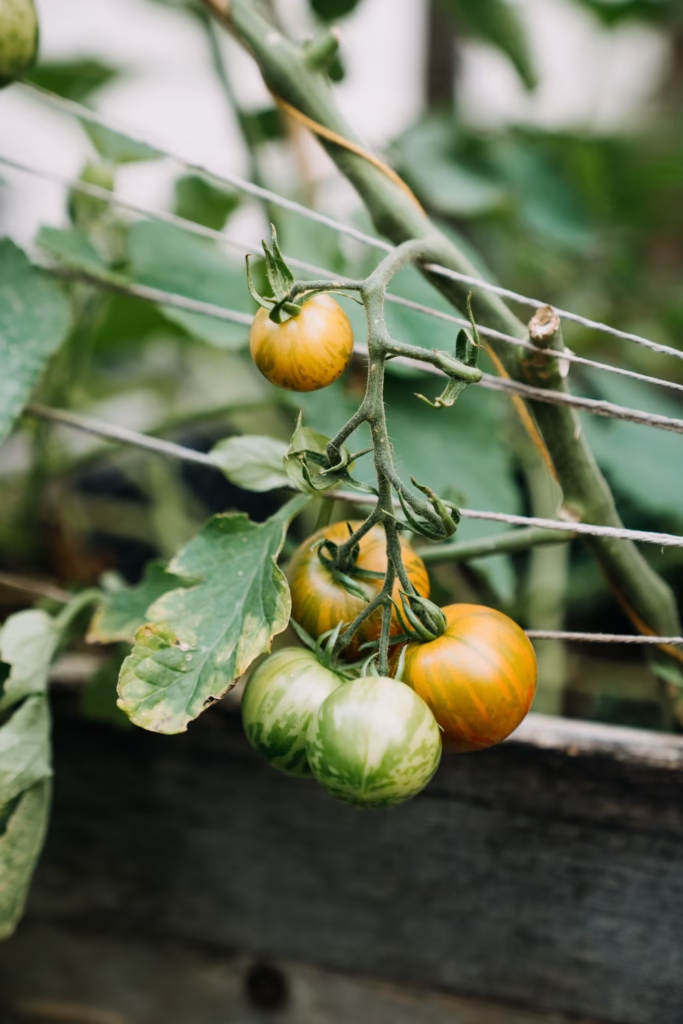
Permaculture vegetable gardening is an excellent way to grow vegetables while working in harmony with nature. This sustainable method focuses on creating a self-sufficient system that nurtures the soil, supports biodiversity, and maximizes yields. Designing and creating a permaculture vegetable garden involves thoughtful planning and practical techniques. Below, we’ll explore the key steps, including soil preparation, light requirements, water setup, fertilizer choices, pollinator plants, and the best vegetables to start with. We’ll also discuss how to incorporate companion planting for a thriving garden.
Designing Your Permaculture Vegetable Garden
The first step in creating a permaculture vegetable garden is planning its layout. Choose a site that receives at least six to eight hours of sunlight daily, as most vegetables thrive in full sun. Observe the space to identify microclimates, wind patterns, and existing plants. Use these observations to determine the best placement for garden beds, pathways, and water sources.
Divide your garden into zones based on proximity and use. For example, place frequently harvested vegetables, like lettuce and tomatoes, near your kitchen. Reserve less accessible areas for perennial plants or crops that require minimal maintenance. Incorporate curved or keyhole-shaped beds to maximize growing space and make harvesting easier.
Preparing the Soil
Healthy soil is the foundation of a successful permaculture garden. Start by assessing your soil’s texture and nutrient content. Most vegetables prefer well-draining, loamy soil rich in organic matter. To improve poor soil, add compost, aged manure, or leaf mold. These organic materials enhance fertility, water retention, and structure.
Consider using sheet mulching, a no-dig method ideal for building nutrient-rich soil. Layer cardboard or newspaper to suppress weeds, followed by alternating layers of organic matter, such as grass clippings, straw, and compost. This method mimics nature’s way of building soil and reduces labor-intensive tilling.
Setting Up Water Systems
Water management is crucial in permaculture gardening. A sustainable setup minimizes waste and ensures consistent hydration for your plants. Install rain barrels or other water-harvesting systems to capture rainfall. Use drip irrigation or soaker hoses for efficient watering, as these methods deliver moisture directly to the root zone.
Contour your garden beds to capture and retain water. Swales, or shallow trenches, can direct rainwater to areas that need it most. Mulching also helps by reducing evaporation and keeping the soil moist.
Choosing Fertilizers
In permaculture, the focus is on feeding the soil rather than the plants. Compost is an essential fertilizer that provides nutrients and improves soil health. You can also use worm castings, a nutrient-rich byproduct of vermicomposting. For additional nutrition, consider organic options like bone meal, blood meal, or fish emulsion.
To maintain a balanced ecosystem, avoid synthetic fertilizers. Instead, grow nitrogen-fixing plants like clover or beans alongside your vegetables. These plants enrich the soil naturally, reducing the need for external inputs.
Incorporating Pollinator Plants
Pollinators play a vital role in vegetable gardens by improving crop yields. Attract beneficial insects, such as bees and butterflies, by planting flowers that bloom throughout the growing season. Good choices include marigolds, calendula, borage, and lavender. These plants not only support pollinators but also add beauty and diversity to your garden.
Additionally, include herbs like dill, fennel, and cilantro. These attract predatory insects, such as ladybugs and lacewings, that help control pests naturally. By fostering a balanced ecosystem, you’ll reduce the need for chemical pesticides.
Selecting the Best Vegetables and Their Companion Plants
When starting your permaculture vegetable garden, choose crops that are easy to grow and suited to your climate. Leafy greens, such as lettuce, spinach, and kale, are excellent for beginners. Lettuce pairs well with carrots and radishes, which grow below the soil while lettuce occupies the surface. Kale benefits from being planted near onions and garlic, which deter pests like aphids.
Root vegetables like carrots, radishes, and beets are low-maintenance and highly productive. Carrots grow well alongside onions and leeks, as these aromatic plants repel carrot flies. Radishes, on the other hand, are great companions for cucumbers, as they can deter cucumber beetles.
Tomatoes, peppers, and cucumbers are popular warm-season crops that thrive in sunny conditions. Tomatoes grow best when paired with basil, which repels whiteflies and improves flavor. Marigolds also work well with tomatoes by keeping nematodes and aphids at bay. Peppers benefit from nearby onions and spinach, while cucumbers thrive with dill and nasturtiums, which repel harmful insects.
For cooler seasons, consider growing broccoli, cauliflower, and peas. Broccoli and cauliflower pair well with aromatic herbs like rosemary and sage, which deter cabbage moths. Peas fix nitrogen in the soil, making them excellent companions for heavy feeders like corn or leafy greens.
Diversifying your crops ensures a continuous harvest and reduces the risk of pests and diseases spreading. Incorporating companion planting not only boosts yields but also creates a more resilient and balanced garden ecosystem.
Companion Planting Strategies
Companion planting is a core principle of permaculture. This method involves grouping plants that benefit each other by deterring pests, improving soil health, or enhancing growth. For instance, planting marigolds with tomatoes repels nematodes and whiteflies. Similarly, pairing carrots with onions deters carrot flies and onion maggots.
Three Sisters is a traditional companion planting technique that combines corn, beans, and squash. Corn provides a natural trellis for beans to climb, while beans fix nitrogen in the soil. Squash acts as a living mulch, shading the soil to retain moisture and suppress weeds.
Maintaining Your Garden
Once your permaculture vegetable garden is established, regular maintenance ensures its success. Mulch your beds to prevent weeds, conserve moisture, and regulate soil temperature. Prune plants to improve airflow and reduce the risk of disease. Rotate crops annually to maintain soil fertility and disrupt pest cycles.
Observe your garden frequently to identify issues early. Handpick pests, remove diseased plants, and adjust watering as needed. Encourage natural predators, like birds and beneficial insects, by providing habitat features such as birdhouses and insect hotels.
Embracing Sustainability
Permaculture gardening emphasizes working with nature rather than against it. Compost kitchen scraps and garden waste to close the nutrient loop. Save seeds from your best-performing plants to reduce reliance on store-bought seeds. Use recycled or upcycled materials, such as old wood or stones, to build garden structures.
By designing a self-sustaining system, you’ll reduce your environmental footprint while enjoying fresh, organic produce. Over time, your garden will become a thriving ecosystem that supports both your needs and the planet’s health.
Conclusion
Creating a permaculture vegetable garden requires thoughtful planning and a commitment to sustainability. Start with a well-designed layout, enrich your soil with organic matter, and establish efficient water systems. Use natural fertilizers and attract pollinators to maintain a healthy ecosystem. Grow beginner-friendly vegetables and utilize companion planting for optimal yields. By following these steps, you can enjoy a productive and eco-friendly garden that aligns with permaculture principles. Embrace the journey, and you’ll soon reap the rewards of your labor.
Please be sure to check out my Gardening Blog Post Page for more tips on all types of gardening. Including Seed Saving, Seed Starting, Orchids, Water Gardening, Coldframe Gardening, Indoor Bulb Gardening, Hydroponics, Container Gardening, Mums, Herbs, African Violets, planting Bulbs, Flower Gardening, Vegetable and Fruit Gardening, Indoor Houseplants of all kinds, Cactus, Succulents, Hanging plants, Deer resistant plants and even Bird, Bee, Butterfly and Hummingbird Gardens!