
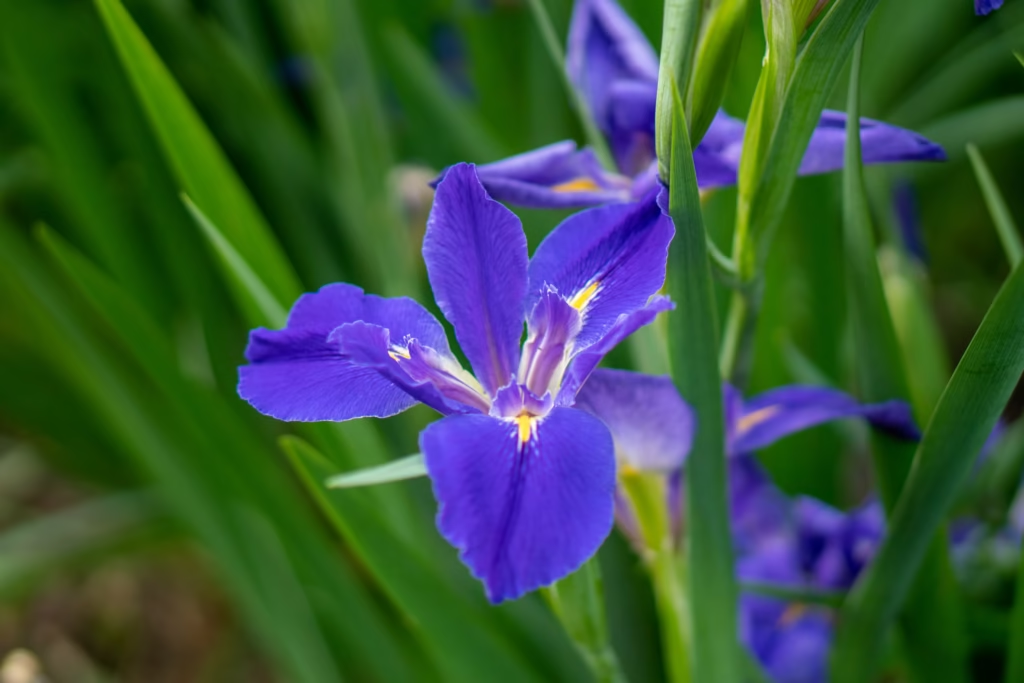
Iris reticulata, also known as dwarf iris, is a beautiful and hardy spring-blooming bulb that brings vibrant color to your garden after the winter months. With their delicate petals and bright hues, they are a favorite for gardeners who want an early splash of color. This guide will take you through everything you need to know about growing Iris reticulata, including soil preparation, planting methods, light requirements, watering, fertilization, and post-bloom care.
Preparing the Soil for Iris Reticulata
Iris reticulata thrives in well-draining soil, so ensuring proper drainage is the first step. These bulbs dislike waterlogged conditions, which can lead to rot. Start by selecting a planting area with sandy or loamy soil. If your garden soil is heavy clay, amend it by mixing in coarse sand, compost, or well-rotted organic matter. This addition improves drainage while providing essential nutrients. Aim for a slightly acidic to neutral soil pH between 6.0 and 7.0, which supports healthy bulb growth.
Before planting, loosen the soil to a depth of about 8 to 10 inches. Remove rocks, debris, and weeds to give the bulbs a clean start. Adding a layer of bone meal or bulb-specific fertilizer to the soil can provide an extra nutrient boost. Mix this thoroughly into the planting area to distribute nutrients evenly.
When and How to Plant Iris Reticulata
Planting Iris reticulata in the fall gives the bulbs enough time to establish roots before winter. Ideally, plant them six to eight weeks before the first hard frost in your area. This timing allows the bulbs to develop a strong foundation for spring blooms.
To plant, dig holes about 4 inches deep and space them 3 to 4 inches apart. Place the bulbs pointed side up and root side down. Cover them with soil, gently pressing it down to eliminate air pockets. Water the area lightly after planting to help settle the soil around the bulbs. For a natural look, plant the bulbs in clusters or drifts rather than in straight rows.
Light Requirements for Iris Reticulata
Iris reticulata thrives in full sun, which encourages robust blooms and healthy growth. Choose a location that receives at least six hours of direct sunlight daily. In areas with hot climates, they can tolerate light afternoon shade, but too much shade may reduce flowering. If you’re planting them under deciduous trees, they will benefit from the increased sunlight available in early spring before the trees leaf out.
Watering Iris Reticulata
Water plays an important role in growing Iris reticulata, but balance is key. After planting, water the bulbs lightly to help them settle into the soil. During the growing season, ensure the soil remains evenly moist but never soggy. Overwatering can cause the bulbs to rot, while insufficient water can lead to poor growth.
Once the flowers fade, gradually reduce watering. The foliage will continue to gather energy for next year’s blooms, so keeping the soil slightly moist until the leaves naturally die back is essential. Avoid watering during the dormant period, as the bulbs require dry conditions to rest properly.
Fertilizing Iris Reticulata
Iris reticulata benefits from fertilization, but too much can harm the bulbs. When planting, incorporate a balanced bulb fertilizer or bone meal into the soil. This provides the nutrients needed for root development.
In early spring, as the shoots begin to emerge, apply a light dose of balanced fertilizer, such as 10-10-10, to encourage healthy growth. Sprinkle the fertilizer around the base of the plants, avoiding direct contact with the foliage. After the flowers fade, you can apply another light feeding to support bulb storage for the following season. Always water after fertilizing to help nutrients reach the roots.
After-Bloom Care and Winter Preparation
Once Iris reticulata finishes blooming, the focus shifts to caring for the bulbs to ensure they bloom again next year. Allow the foliage to remain in place until it yellows and dies back naturally. The leaves collect energy through photosynthesis, which the bulbs store for the next growing season. Avoid cutting back the foliage prematurely, as this can weaken the bulbs.
If you planted the bulbs in a container or area prone to freezing, consider additional winter care. For container-grown bulbs, move the pots to a sheltered location, such as an unheated garage or shed, to protect them from extreme cold. For bulbs planted in the ground, apply a layer of mulch, such as straw or shredded leaves, to insulate them during the winter. Remove the mulch in early spring to allow the shoots to emerge freely.
Additional Tips for Growing Iris Reticulata
Iris reticulata pairs beautifully with other early-blooming bulbs like crocuses, snowdrops, and miniature daffodils. Planting these together creates a stunning spring display with varied colors and textures. You can also use Iris reticulata in rock gardens, along pathways, or in containers for a versatile addition to your landscape.
Keep an eye out for pests, such as slugs and snails, which may damage the flowers and foliage. To deter them, use organic slug repellents or create barriers around the plants with crushed eggshells or diatomaceous earth.
Finally, if you want to enjoy Iris reticulata blooms indoors, consider forcing the bulbs. Plant them in pots in the fall and keep them in a cool, dark place for about 10 to 12 weeks. After this chilling period, bring them into a warm, bright room, and they’ll reward you with their vibrant blooms.
Happy Iris Growing!
Growing Iris reticulata is a rewarding experience that adds charm and color to your garden. By preparing the soil properly, planting at the right time, and providing the ideal conditions for light, water, and nutrients, you can enjoy these stunning blooms year after year. With proper after-bloom care and winter preparation, these hardy bulbs will continue to delight you each spring. Whether planted in beds, containers, or rock gardens, Iris reticulata is a versatile and low-maintenance addition to any landscape.
Please be sure to check out my Gardening Blog Post Page for more tips on all types of gardening. Including Seed Saving, Seed Starting, Orchids, Water Gardening, Coldframe Gardening, Indoor Bulb Gardening, Hydroponics, Container Gardening, Mums, Herbs, African Violets, planting Bulbs, Flower Gardening, Vegetable and Fruit Gardening, Indoor Houseplants of all kinds, Cactus, Succulents, Hanging plants, Deer resistant plants and even Bird, Bee, Butterfly and Hummingbird Gardens!