
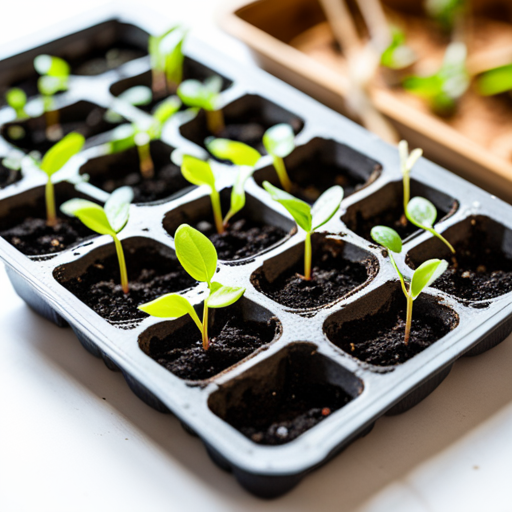
Starting seeds is an exciting step for gardeners, whether you’re growing vegetables, herbs, or flowers. However, it can be frustrating when seeds fail to germinate or seedlings struggle to grow. Thankfully, avoiding common mistakes can help you succeed. Here are ten seed-starting mistakes and how to avoid them.
1. Using the Wrong Soil
Many new gardeners make the mistake of using regular garden soil or potting mix to start seeds. These options often lack the proper texture and nutrients for seed germination. Seedlings require a light, well-draining, and nutrient-rich seed-starting mix to grow successfully. Invest in a high-quality seed-starting mix or make your own by combining equal parts of peat moss, vermiculite, and perlite. This ensures proper aeration and moisture retention for your seeds.
2. Planting Seeds Too Deep
Planting seeds too deep is a common error that can prevent germination. Each type of seed has specific depth requirements. Planting them deeper than recommended makes it harder for seedlings to reach the surface. Always read the seed packet instructions for the correct planting depth. A general rule is to plant seeds at a depth of two to three times their diameter. For tiny seeds, lightly press them into the soil without burying them.
3. Overwatering or Underwatering
Watering can make or break your seed-starting efforts. Overwatering can lead to soggy soil, causing seeds to rot or seedlings to develop damping-off disease. On the other hand, underwatering can dry out the seeds and prevent germination altogether. Keep the soil consistently moist but not waterlogged. Use a spray bottle to gently mist the soil, ensuring even moisture without disturbing the seeds.
4. Ignoring Light Requirements
Seeds and seedlings need adequate light to thrive. Without enough light, seedlings become leggy and weak, stretching toward the nearest light source. Place your seed trays in a bright window that receives at least 12–16 hours of light daily. If natural light is insufficient, use grow lights placed 2–4 inches above the seedlings. Adjust the lights as they grow to maintain the right distance and avoid scorching.
5. Starting Seeds at the Wrong Time
Timing matters when starting seeds. Planting seeds too early can result in seedlings outgrowing their containers before outdoor conditions are suitable. Starting too late may delay your harvest or blooms. Refer to your seed packets for guidance on the best time to start seeds indoors. Calculate the planting date by considering your region’s last frost date and the seeds’ germination and growth requirements.
6. Skipping Seed Preparation
Some seeds need special preparation to germinate successfully. For instance, seeds with hard coatings, like morning glories, may require scarification (scratching the surface) to help them sprout. Others, like certain perennials, benefit from stratification (exposure to cold conditions) to mimic winter dormancy. Research the needs of the seeds you’re planting and prepare them accordingly to improve germination rates.
7. Crowding Seeds in Trays
Planting too many seeds in a small space may seem like a good way to maximize space, but it often leads to problems. Overcrowded seedlings compete for light, water, and nutrients, resulting in weak growth. To prevent this, sow seeds with proper spacing, as specified on the seed packet. Thin the seedlings once they sprout, leaving only the healthiest ones to grow.
8. Neglecting Air Circulation
Poor air circulation around seedlings increases the risk of diseases, such as damping-off or mold growth. Seedlings need fresh air to stay healthy and strong. Use a small fan set on low to gently circulate air around the seed trays. This not only reduces moisture buildup but also helps seedlings develop sturdy stems by simulating outdoor conditions.
9. Using Dirty Containers
Reusing seed trays or containers without cleaning them first is a common oversight. Dirty containers may harbor pathogens or pests that can harm your seedlings. Before starting seeds, clean all trays, pots, and tools with warm, soapy water and disinfect them with a solution of one part bleach to nine parts water. Rinse thoroughly and allow them to dry before adding soil and seeds.
10. Skipping Hardening Off
Many gardeners make the mistake of moving seedlings directly from their indoor environment to the garden without hardening them off. This sudden transition can shock seedlings, leading to stunted growth or death. Instead, gradually acclimate your seedlings to outdoor conditions over 7–10 days. Begin by placing them outside in a sheltered area for a few hours each day, gradually increasing their exposure to sunlight, wind, and temperature changes.
Bonus Tips for Seed-Starting Success
To further improve your seed-starting results, consider these additional tips:
- Label your seed trays to keep track of different varieties.
- Avoid fertilizing seedlings too early; wait until they develop their first set of true leaves.
- Keep an eye on humidity levels by using a clear plastic dome or plastic wrap to create a mini greenhouse effect during germination. Remove the cover once seedlings emerge to prevent excess moisture.
Happy Seed Staring
Starting seeds can be incredibly rewarding when you avoid these common mistakes. By using the right soil, planting seeds at the proper depth, and providing adequate water and light, you’ll set your seedlings up for success. Remember to prepare your seeds, maintain proper spacing, and prioritize cleanliness to ensure healthy growth. With practice and attention to detail, you’ll soon enjoy the fruits of your labor in the form of thriving plants and a bountiful garden.
Please be sure to check out my Gardening Blog Post Page for more tips on all types of gardening. Including Seed Saving, Seed Starting, Orchids, Water Gardening, Coldframe Gardening, Indoor Bulb Gardening, Hydroponics, Container Gardening, Mums, Herbs, African Violets, planting Bulbs, Flower Gardening, Vegetable and Fruit Gardening, Indoor Houseplants of all kinds, Cactus, Succulents, Hanging plants, Deer resistant plants and even Bird, Bee, Butterfly and Hummingbird Gardens!