
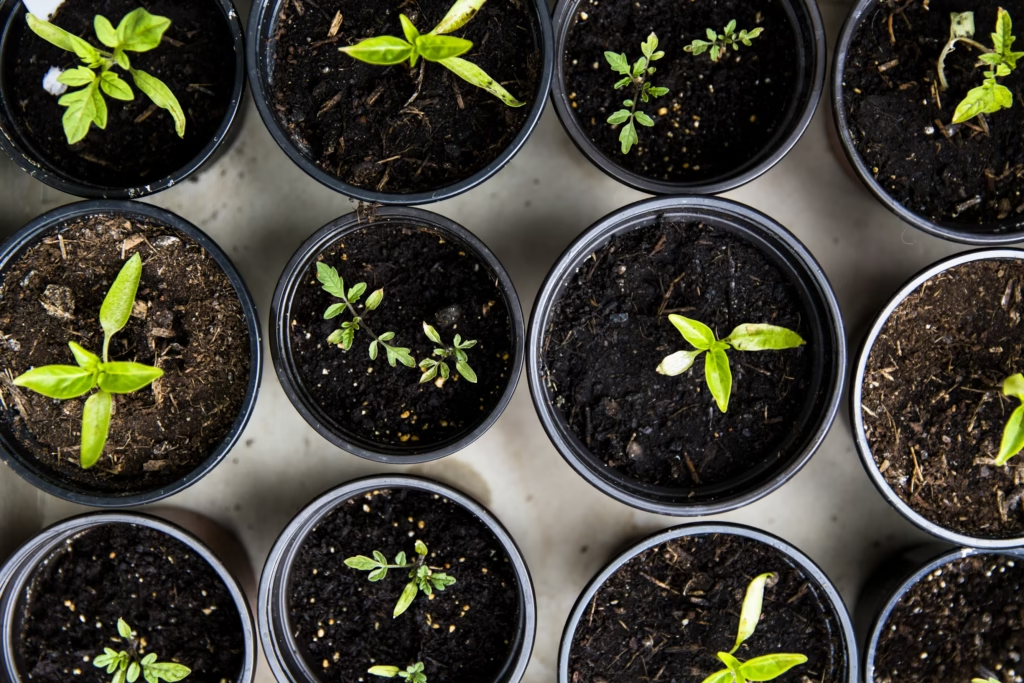
Starting seeds indoors is an excellent way to get a head start on your garden, especially in Zone 7. This region experiences a moderate climate with a last frost date around mid-April and a first frost date in mid-October. Knowing when to start seeds indoors can help you grow strong, healthy plants that thrive once transplanted outdoors. Let’s dive into the vegetables to start, timing, soil requirements, and how to care for your seedlings for the best results.
What Vegetables to Start and When
In Zone 7, timing is everything when starting seeds indoors. Begin with cool-season vegetables like broccoli, cauliflower, and cabbage. These should be started about 8–10 weeks before the last frost date, which means late January to early February. Next, sow warm-season crops such as tomatoes, peppers, and eggplants about 6–8 weeks before the last frost date, usually in late February to early March. Fast-growing vegetables like cucumbers, zucchini, and squash only need about 4–6 weeks indoors, so start those in mid to late March.
Leafy greens like lettuce, spinach, and Swiss chard can be started indoors about 4–6 weeks before the last frost. Herbs such as basil, parsley, and cilantro also thrive when started indoors around the same time. Check your seed packets for specific recommendations, as different varieties may have unique needs.
Choosing the Right Soil for Starting Seeds
Using the right soil is crucial for successful seed starting. Avoid using garden soil, as it may contain pests, diseases, or heavy clumps that can hinder seedling growth. Instead, choose a high-quality seed-starting mix. These mixes are light, well-draining, and specifically designed to provide the nutrients and moisture retention that seeds need to germinate.
To prepare your seed-starting soil, moisten it slightly before filling your trays or pots. The soil should feel damp but not soaking wet. This ensures that seeds stay hydrated while avoiding excess water, which can lead to rot.
Using Grow Lights and Heat Mats
Indoor seeds need optimal conditions to germinate and grow strong. Natural sunlight can be insufficient indoors, especially during winter or early spring when daylight hours are shorter. Grow lights solve this problem by providing consistent light for 12–16 hours a day. Place the grow lights about 2–4 inches above your seedlings and adjust them as the plants grow to ensure they receive adequate light.
Heat mats can also improve germination rates, particularly for warm-season vegetables like tomatoes and peppers. These mats provide gentle bottom heat that warms the soil and encourages faster sprouting. Keep the heat mat on until seeds germinate, then remove it to prevent overheating the seedlings.
Thinning Your Seedlings
Once your seeds germinate, you may notice multiple seedlings sprouting in a single cell or pot. Thinning is essential to ensure that each plant has enough space to grow strong roots and healthy leaves. When seedlings develop their first true leaves, use a small pair of scissors to snip the weaker seedlings at the base, leaving the strongest one in each spot.
Avoid pulling out unwanted seedlings, as this can disturb the roots of the remaining plant. By thinning carefully, you give each seedling the best chance to thrive.
Hardening Off Seedlings
Before moving your seedlings outdoors, it’s important to harden them off. This process helps them adjust to outdoor conditions like wind, sunlight, and fluctuating temperatures. Start hardening off your seedlings about 7–10 days before transplanting.
Begin by placing your seedlings in a shaded, sheltered area outside for a few hours each day. Gradually increase their exposure to sunlight and outdoor conditions over the course of a week. Bring them indoors at night or during harsh weather to protect them. By the end of the hardening-off period, your seedlings will be ready to transition to the garden.
When to Plant Outdoors
Timing your outdoor planting depends on the type of vegetable and the weather. Cool-season crops like broccoli, cabbage, and kale can be transplanted outdoors 2–3 weeks before the last frost date. These hardy plants can handle light frosts and thrive in cooler temperatures.
Warm-season crops, including tomatoes, peppers, and squash, need to wait until all danger of frost has passed and the soil has warmed. In Zone 7, this usually happens around mid to late April. Check soil temperatures to ensure they reach at least 60°F for these heat-loving plants.
When transplanting seedlings, choose an overcast day or plant in the late afternoon to reduce transplant shock. Water the seedlings thoroughly after planting and continue to monitor them for signs of stress as they adjust to their new environment.
Tips for Success
To ensure a successful indoor seed-starting journey, follow these additional tips:
- Label your seeds: Use markers or labels to identify what you’ve planted and when. This prevents confusion, especially if you’re growing multiple varieties.
- Water carefully: Keep the soil evenly moist but not waterlogged. Overwatering can lead to fungal issues, while underwatering can dry out delicate roots.
- Fertilize wisely: Once seedlings develop their first true leaves, feed them with a diluted liquid fertilizer every 1–2 weeks. This provides essential nutrients for strong growth.
- Monitor for pests: Check your seedlings regularly for signs of pests like fungus gnats. Use sticky traps or neem oil if needed to keep your plants pest-free.
Starting seeds indoors in Zone 7 can be a rewarding experience when done correctly. By choosing the right vegetables, starting them at the right time, and providing proper care, you’ll set the stage for a productive garden. With patience and attention to detail, your efforts will pay off with healthy, thriving plants ready to grow outdoors.
Please be sure to check out my Gardening Blog Post Page for more tips on all types of gardening. Including Seed Saving, Seed Starting, Orchids, Water Gardening, Coldframe Gardening, Indoor Bulb Gardening, Hydroponics, Container Gardening, Mums, Herbs, African Violets, planting Bulbs, Flower Gardening, Vegetable and Fruit Gardening, Indoor Houseplants of all kinds, Cactus, Succulents, Hanging plants, Deer resistant plants and even Bird, Bee, Butterfly and Hummingbird Gardens!