
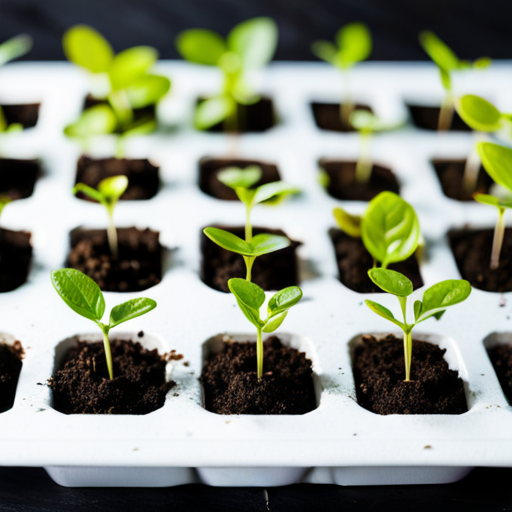
Starting seeds for spring planting is an exciting way to prepare for the gardening season. By following these seed starting tips and adjusting for your growing zone, you can ensure strong, healthy plants that thrive outdoors. This guide covers everything you need to know, including the best soil for seed starting, how to thin seedlings, hardening off, and the timing for planting outdoors based on your zone.
Choosing the Best Soil for Starting Seeds
The foundation of successful seed starting is high-quality soil. Use a seed-starting mix rather than garden soil or potting soil. Seed-starting mixes are light, airy, and designed to retain moisture while providing good drainage. These qualities create the perfect environment for germination and early root development. Many seed-starting mixes are also sterile, which helps prevent diseases that can harm delicate seedlings.
Before filling your seed trays or containers, slightly moisten the mix. Aim for a consistency similar to a damp sponge. Fill your containers, leaving about half an inch of space at the top to allow for watering. Avoid compacting the soil; seeds germinate more easily in loose, well-aerated conditions.
Sowing Seeds and Thinning
When sowing seeds, follow the instructions on the seed packet for depth and spacing. Planting seeds too deeply or too close together can hinder their growth. To avoid overcrowding, plant two to three seeds per cell or container. Once the seedlings sprout and develop their first set of true leaves, it’s time to thin them out.
Choose the strongest seedling in each cluster and remove the others. Use scissors to snip the weaker seedlings at soil level rather than pulling them out, as pulling can disturb the roots of the remaining plant. Thinning ensures each plant has enough space, nutrients, and light to grow strong.
Hardening Off Seedlings
Seedlings grown indoors need time to adjust to outdoor conditions before planting. This process, known as hardening off, reduces transplant shock and helps plants acclimate to sunlight, wind, and fluctuating temperatures. Start hardening off your seedlings about one to two weeks before you plan to plant them outside.
Begin by placing your seedlings outdoors in a sheltered, shady spot for a few hours each day. Gradually increase their exposure to sunlight and outdoor conditions over the course of a week. Avoid exposing them to harsh weather, such as strong winds or heavy rain, during this transition. By the end of the hardening-off period, your seedlings should be ready to handle full sun and the elements.
Using Grow Lights and Heat Mats
Grow lights and heat mats can significantly improve your seed-starting success. Seedlings need 12-16 hours of light daily to grow strong and avoid becoming leggy. Position grow lights just a few inches above the seedlings and adjust the height as the plants grow. Heat mats placed under seed trays provide consistent warmth, which is especially beneficial for germinating seeds that require higher soil temperatures, such as tomatoes and peppers. Together, these tools create an ideal environment for starting seeds indoors, ensuring robust and healthy plants.
Timing Your Planting by Zone
Your USDA growing zone determines the best time to plant your seedlings outdoors. Each zone has an average last frost date, which is a key factor in planning your spring planting. Use this information to schedule when to start seeds indoors and when to transplant them outside.
Zones 3 and 4
In colder regions like Zones 3 and 4, the last frost date typically falls between mid-May and early June. Start seeds indoors 6-8 weeks before this date, usually in late February or early March. Hardy crops like lettuce, kale, and broccoli can often be transplanted a few weeks before the last frost. Warm-season crops such as tomatoes and peppers should be planted outside only after all danger of frost has passed.
Zones 5 and 6
For Zones 5 and 6, the last frost date is generally between late April and mid-May. Begin starting seeds indoors in late February or early March for cool-season vegetables and flowers. Warm-season crops can be started in mid-March to early April. As the frost-free date approaches, monitor the weather closely and harden off seedlings accordingly.
Zones 7 and 8
Zones 7 and 8 enjoy milder winters, with the last frost date occurring in mid-March to early April. Start seeds for cool-season crops in January or early February and warm-season crops by mid-February to early March. By April, most seedlings can be safely transplanted into the garden.
Zones 9 and 10
In Zones 9 and 10, the growing season is long, and the last frost date typically falls in February or early March. Start seeds for cool-season crops as early as December, and warm-season crops can be started by January. Transplant seedlings outdoors in late February or early March, depending on the crop.
Additional Tips for Success
- Label Your Seeds: Keep track of what you’ve planted by labeling each tray or container with the seed variety and the date you planted it.
- Provide Adequate Light: Seedlings need plenty of light to grow strong and prevent leggy growth. Use a grow light or place your seedlings near a bright window that receives at least 12-16 hours of light daily.
- Water Wisely: Keep the soil consistently moist but not soggy. Water from the bottom by filling the tray beneath your containers. This method encourages healthy root development and reduces the risk of fungal diseases.
- Fertilize Gently: Once your seedlings develop their first set of true leaves, begin feeding them with a diluted, water-soluble fertilizer every 1-2 weeks. Choose a fertilizer designed for seedlings to avoid overfeeding.
Happy Seed Starting
By tailoring your seed-starting efforts to your zone and following these tips, you can give your garden the best possible start. Planning ahead and paying attention to your seedlings’ needs will reward you with healthy plants and a bountiful harvest throughout the growing season.
Please be sure to check out my Gardening Blog Post Page for more tips on all types of gardening. Including Seed Saving, Seed Starting, Orchids, Water Gardening, Coldframe Gardening, Indoor Bulb Gardening, Hydroponics, Container Gardening, Mums, Herbs, African Violets, planting Bulbs, Flower Gardening, Vegetable and Fruit Gardening, Indoor Houseplants of all kinds, Cactus, Succulents, Hanging plants, Deer resistant plants and even Bird, Bee, Butterfly and Hummingbird Gardens!