
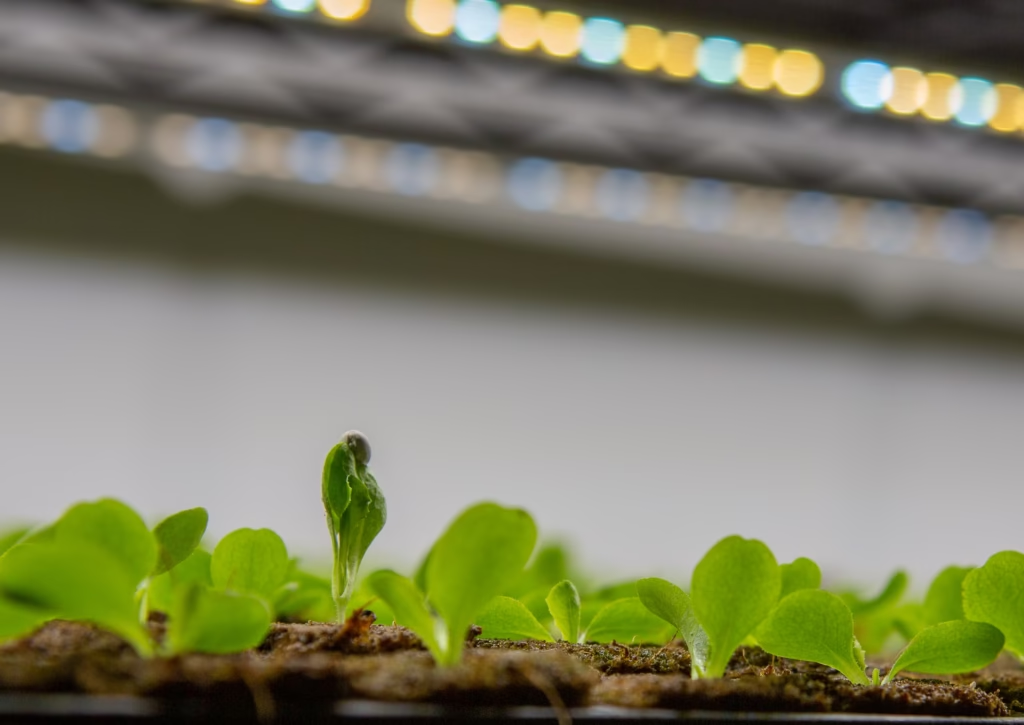
Starting tomato seeds indoors with grow lights allows gardeners to get a head start on the growing season. Tomatoes thrive when planted at the right time and cared for properly. This guide covers when to start seeds for each zone, how to plant seeds, what trays and soil to use, fertilization tips, grow light timing, and how to harden off plants before moving them outdoors.
When to Start Tomato Seeds Indoors by Zone
The best time to start tomato seeds indoors depends on your USDA growing zone. Tomato plants should move outdoors after the last frost date, so count backward six to eight weeks from that date to determine when to start seeds.
- Zone 3 and 4: Start seeds indoors in late March to early April. The last frost date usually occurs in late May or early June.
- Zone 5 and 6: Begin planting seeds in mid-March. These areas typically see the last frost by mid-May.
- Zone 7 and 8: Start seeds in early March. Frost usually ends by mid-April.
- Zone 9 and 10: Plant seeds indoors in January or early February since frost is rare and ends early.
How to Plant Tomato Seeds
To successfully plant tomato seeds, start by gathering the right supplies. Use seed-starting trays with drainage holes to prevent overwatering. Fill the trays with a lightweight seed-starting mix designed for optimal root development.
Plant the seeds about 1/4 inch deep in each cell. Cover them lightly with soil and mist with water to ensure even moisture. Cover the trays with plastic domes or clear plastic wrap to create a humid environment that speeds up germination. Keep the temperature around 70-80°F for best results.
Choosing Trays and Soil
Seed-starting trays come in various sizes, but 72-cell trays work well for tomatoes because they provide enough space for seedlings to develop strong roots. Make sure the trays have drainage holes to avoid waterlogging.
For soil, avoid using regular garden soil because it can compact and may contain pathogens. Instead, select a sterile seed-starting mix. These mixes are lightweight, drain well, and promote root growth. Some options include coco coir, peat moss, and vermiculite blends.
Fertilizing Tomato Seedlings
Tomato seeds contain enough nutrients to sprout and grow their first set of leaves, called cotyledons. Once the seedlings develop their first true leaves, start feeding them with a diluted liquid fertilizer.
Use a balanced fertilizer, such as a 10-10-10 or 20-20-20 formula, diluted to half strength. Fertilize once a week to provide the nutrients seedlings need for healthy growth. Avoid overfeeding, as too much fertilizer can burn young plants.
How Long to Keep Seedlings Under Grow Lights
Tomato seedlings require 14-16 hours of light per day for strong growth. Place grow lights about 2-3 inches above the plants and raise the lights as the seedlings grow taller. Keep the lights close to prevent seedlings from becoming leggy and weak.
Set a timer to maintain a consistent light schedule, and ensure seedlings also get 8 hours of darkness. Monitor the plants daily and adjust the light height as needed to maintain even growth.
You have multiple types of grow light system to use. If you have your own shelving unit these grow light strips are perfect. If you want a free standing system you might want to choose this unit. Or if you want an adjustable unit that will clip on a table with individual lights to adjust.
Hardening Off Tomato Seedlings
Before moving tomato plants outdoors, gradually introduce them to outdoor conditions through a process called hardening off. Start this process about one to two weeks before transplanting.
Begin by placing seedlings outside in a shaded, sheltered area for one to two hours each day. Gradually increase their exposure to sunlight, wind, and outdoor temperatures over the next several days. Bring them back inside at night or if temperatures drop below 50°F.
This process helps seedlings adjust to outdoor conditions and reduces transplant shock. By the end of the hardening-off period, the plants should tolerate full sun and wind.
When to Plant Tomato Seedlings Outdoors
Transplant tomato seedlings outdoors after the last frost date for your zone. The soil temperature should reach at least 60°F, as tomatoes thrive in warm conditions.
Space the plants about 18-24 inches apart in rows with at least 3 feet between rows. This spacing allows good airflow, which reduces the risk of fungal diseases. Plant tomatoes deep, burying two-thirds of the stem to encourage strong root development.
Final Tips for Success
Starting tomato seeds indoors gives gardeners control over the growing process. Provide consistent water, light, and nutrients to ensure healthy seedlings. Monitor for pests like aphids or fungus gnats, and use neem oil or sticky traps if needed.
With proper care, tomato seedlings will develop into robust plants ready to produce a bountiful harvest. By following these steps, you can enjoy delicious, homegrown tomatoes throughout the season.
Please be sure to check out my Gardening Blog Post Page for more tips on all types of gardening. Including Seed Saving, Seed Starting, Orchids, Water Gardening, Coldframe Gardening, Indoor Bulb Gardening, Hydroponics, Container Gardening, Mums, Herbs, African Violets, planting Bulbs, Flower Gardening, Vegetable and Fruit Gardening, Indoor Houseplants of all kinds, Cactus, Succulents, Hanging plants, Deer resistant plants and even Bird, Bee, Butterfly and Hummingbird Gardens!