
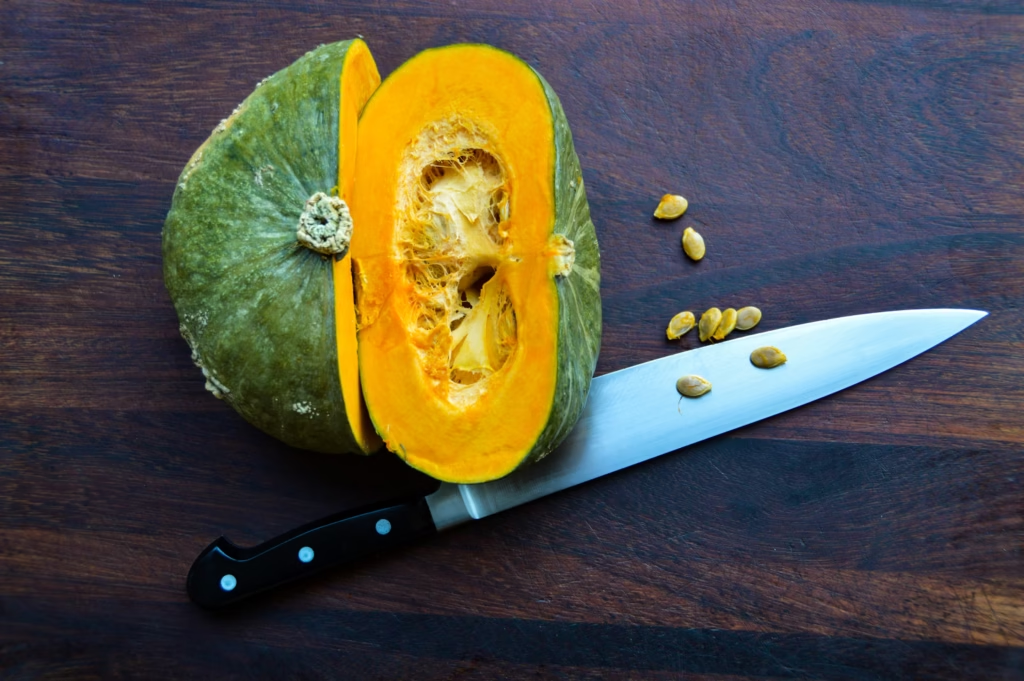
Kabocha Squash, also known as Japanese pumpkin, is a sweet, nutty winter squash prized for its rich flavor and creamy texture. Whether you’re a seasoned gardener or a beginner, growing kabocha squash can be a rewarding experience. With proper care and attention, you can enjoy a bountiful harvest of this versatile vegetable. This guide covers everything you need to know, from planting seeds to harvesting and storing your kabocha squash.
Growing Zones for Kabocha Squash
Kabocha squash thrives in USDA hardiness zones 3 through 10. It needs a warm growing season with a long frost-free period of about 90 to 100 days to fully mature. In cooler climates, starting seeds indoors can extend your growing window and increase the chances of a successful harvest. Gardeners in warmer zones can directly sow seeds once the soil warms in spring.
Because kabocha squash is a vining plant, it requires ample space to spread. However, it can also grow on trellises or supports, making it suitable for smaller gardens.
When and How to Plant Kabocha Squash Seeds
Timing is critical when planting kabocha squash. Sow seeds after the last frost date when the soil temperature reaches at least 60°F. In cooler regions, start seeds indoors about four weeks before the last frost. Use biodegradable pots for indoor planting to avoid disturbing the roots when transplanting.
When planting outdoors, space your plants properly to ensure they grow vigorously. Create mounds or hills about 3 to 4 feet apart, planting 2 to 3 seeds per hill, about 1 inch deep. Once the seedlings emerge, thin them to the strongest plant in each hill. If planting in rows, space seeds or seedlings 3 feet apart with 6 feet between rows.
Preparing the Soil for Kabocha Squash
Kabocha squash thrives in fertile, well-draining soil with a pH between 6.0 and 6.8. Preparing the soil properly gives your plants the best start. Begin by clearing the area of weeds and loosening the soil to a depth of 12 inches.
Incorporate plenty of organic matter, such as compost or aged manure, to enrich the soil. Organic matter improves fertility, drainage, and moisture retention. If your soil is sandy or heavy clay, adding compost is especially important to create a balanced growing medium. Before planting, mix in a slow-release fertilizer high in phosphorus and potassium to promote healthy root development and fruit production.
Light and Water Requirements
Kabocha squash requires full sun for at least 6 to 8 hours a day. Choose a sunny location in your garden to ensure the plants receive adequate light. Insufficient sunlight can result in weak vines and fewer fruits.
Watering is another critical factor in growing healthy kabocha squash. These plants need consistent moisture, especially during flowering and fruiting stages. Aim to water deeply once or twice a week, depending on weather conditions, ensuring the soil stays evenly moist but not soggy. Drip irrigation or soaker hoses work well to deliver water directly to the roots while keeping the foliage dry, which reduces the risk of fungal diseases.
Fertilizing Kabocha Squash
Feeding your kabocha squash plants ensures vigorous growth and higher yields. Start by fertilizing the soil before planting with a balanced, all-purpose fertilizer. Once the plants establish themselves, switch to a fertilizer higher in phosphorus and potassium to encourage blooming and fruiting.
Feed your plants every 3 to 4 weeks during the growing season. Avoid over-fertilizing with nitrogen, as this can lead to excessive vine growth and fewer fruits. Always follow the recommended application rates to prevent nutrient burn and promote healthy plant development.
Pollination and Fruit Development
Kabocha squash plants produce separate male and female flowers. Pollination is essential for fruit development, and bees are the primary pollinators. To encourage pollinators, plant flowers such as marigolds or sunflowers nearby.
If pollinator activity is low in your area, you can hand-pollinate the flowers. Use a small paintbrush or your finger to transfer pollen from the male flower to the female flower. This ensures a higher chance of fruit production.
Harvesting Kabocha Squash
Kabocha squash takes about 90 to 100 days to reach maturity. The fruit is ready to harvest when the skin hardens and develops a deep green or orange hue, depending on the variety. Additionally, the stem attached to the fruit will dry out and turn brown.
To harvest, use a sharp knife or pruning shears to cut the squash from the vine, leaving about 2 inches of stem attached. This helps prevent rot during storage. Handle the squash carefully to avoid bruising or damaging the skin, as this can reduce its shelf life.
Storing Kabocha Squash
Proper storage ensures you can enjoy your kabocha squash for months after harvest. Start by curing the squash in a warm, dry place with good air circulation for 10 to 14 days. Curing hardens the skin and enhances the squash’s flavor.
Once cured, store your kabocha squash in a cool, dark location with temperatures between 50°F and 55°F. A basement or root cellar works well for this purpose. Avoid storing the squash in areas with high humidity, as this can lead to mold or decay. When stored correctly, kabocha squash can last for 3 to 4 months, making it an excellent addition to your winter pantry.
Happy Squash Gardening!
Growing kabocha squash is a rewarding process that results in a versatile and nutritious vegetable. By understanding the proper planting techniques, soil preparation, and care requirements, you can cultivate healthy plants and enjoy a bountiful harvest. Whether you use kabocha squash in soups, stews, or roasted dishes, the effort you invest in growing this delicious winter squash will be well worth it. Start your kabocha squash garden today and experience the joy of homegrown produce!
Please be sure to check out my Gardening Blog Post Page for more tips on all types of gardening. Including Seed Saving, Seed Starting, Orchids, Water Gardening, Coldframe Gardening, Indoor Bulb Gardening, Hydroponics, Container Gardening, Mums, Herbs, African Violets, planting Bulbs, Flower Gardening, Vegetable and Fruit Gardening, Indoor Houseplants of all kinds, Cactus, Succulents, Hanging plants, Deer resistant plants and even Bird, Bee, Butterfly and Hummingbird Gardens!