
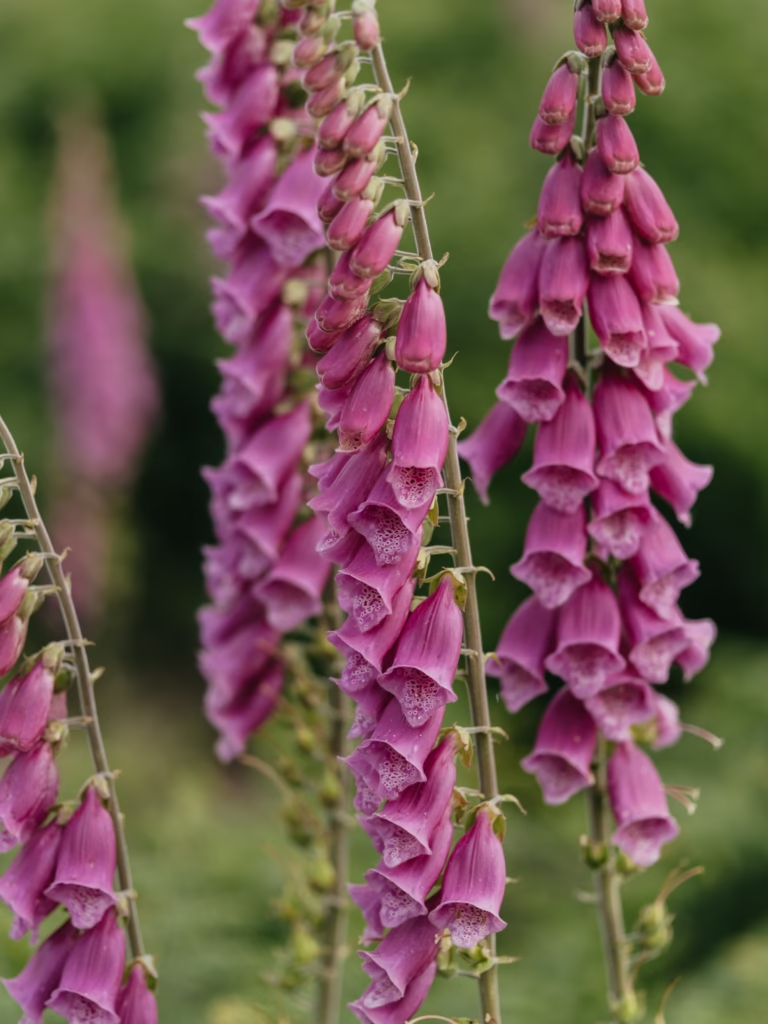
Saving foxglove seeds is a rewarding way to ensure your garden bursts with these elegant, tall flowers each year. Known for their spires of bell-shaped blooms, foxgloves (Digitalis species) are both stunning and functional, attracting pollinators like bees and hummingbirds. Learning to properly harvest, dry, and store their seeds helps you preserve their beauty for seasons to come. This guide walks you through the process and includes helpful tips for beginners.
For more in depth post on how to grow Foxglove with your saved seeds just click here.
Harvesting Foxglove Seeds
When it comes to saving foxglove seeds, timing is essential. After the vibrant flowers fade, foxgloves produce seed pods on the stems. These pods ripen as the plant matures, transitioning from green to a light brown color. Once they dry and begin to crack open, the seeds are ready to harvest. Collecting seeds at this stage ensures they are fully developed and viable.
Choose a dry day for harvesting to avoid excess moisture, which can lead to mold during storage. Snip off the seed stalks, holding a container or bag underneath to catch any seeds that fall. The seeds themselves are tiny and dark, resembling fine grains of sand. Handling them carefully helps minimize loss during collection. For best results, harvest from multiple plants to encourage healthy genetic diversity in your future plants.
Drying Foxglove Seeds for Storage
Properly drying foxglove seeds is crucial for long-term storage. Moisture can lead to mold and significantly reduce seed viability, so take care to dry the seeds thoroughly. Spread them out in a single layer on a clean surface such as a tray lined with parchment paper or a fine mesh screen. Place the seeds in a warm, well-ventilated area out of direct sunlight, as too much heat can damage them.
Airflow is important during the drying process. Stirring the seeds occasionally ensures even drying and helps prevent clumps. Depending on the humidity in your environment, the drying process can take one to two weeks. Once the seeds feel hard and crisp, they are ready to store. Ensuring complete dryness reduces the risk of spoilage and increases the likelihood of successful germination.
Storing Foxglove Seeds in Labeled Envelopes
Once your foxglove seeds are completely dry, transfer them into seed envelopes or small paper bags for storage. Paper is an excellent choice for this initial step because it allows any residual moisture to escape, reducing the chance of mold. Clearly label each envelope with the name “foxglove,” the variety (if known), and the collection date. Keeping this information organized helps you track the seeds and plan your planting schedule.
Using Airtight Containers for Long-Term Storage
To keep your foxglove seeds viable for several years, store the labeled envelopes in an airtight container. Glass jars, metal tins, or sturdy plastic containers with tight-fitting lids work best. Airtight storage protects the seeds from humidity, temperature fluctuations, and pests. Add a silica gel packet to the container to absorb any excess moisture and maintain a dry environment.
Place the container in a cool, dark, and dry location such as a refrigerator, basement, or cool pantry. Consistent temperatures between 35°F and 50°F are ideal for preserving seed viability. Avoid storing seeds in areas prone to heat or light exposure, as these conditions can significantly reduce germination rates. With proper care, foxglove seeds can remain viable for up to three years or longer.
Avoiding Common Challenges
One common challenge in seed saving is dealing with mold or pests during storage. To avoid these issues, ensure your seeds are completely dry before storing them in an airtight container. Check the storage area periodically to confirm it remains cool and dry. If you notice signs of moisture or pests, take action immediately to protect your collection.
Testing seed viability is another way to ensure your saved seeds are worth planting. Perform a germination test by placing a few seeds on a damp paper towel, folding it over, and sealing it in a plastic bag. Keep the bag in a warm place and check for sprouting after one to two weeks. This simple test helps you determine if your seeds are ready for the garden.
Happy Seed Saving!
Saving foxglove seeds is not only cost-effective but also deeply satisfying for gardeners of all skill levels. By following proper harvesting, drying, and storage techniques, you can maintain a reliable supply of seeds for years to come. Using labeled seed envelopes and airtight containers with silica packets ensures your seeds stay viable and ready to plant.
Please be sure to check out my Gardening Blog Post Page for more tips on all types of gardening. Including Seed Saving, Seed Starting, Orchids, Water Gardening, Coldframe Gardening, Indoor Bulb Gardening, Hydroponics, Container Gardening, Mums, Herbs, African Violets, planting Bulbs, Flower Gardening, Vegetable and Fruit Gardening, Indoor Houseplants of all kinds, Cactus, Succulents, Hanging plants, Deer resistant plants and even Bird, Bee, Butterfly and Hummingbird Gardens!