
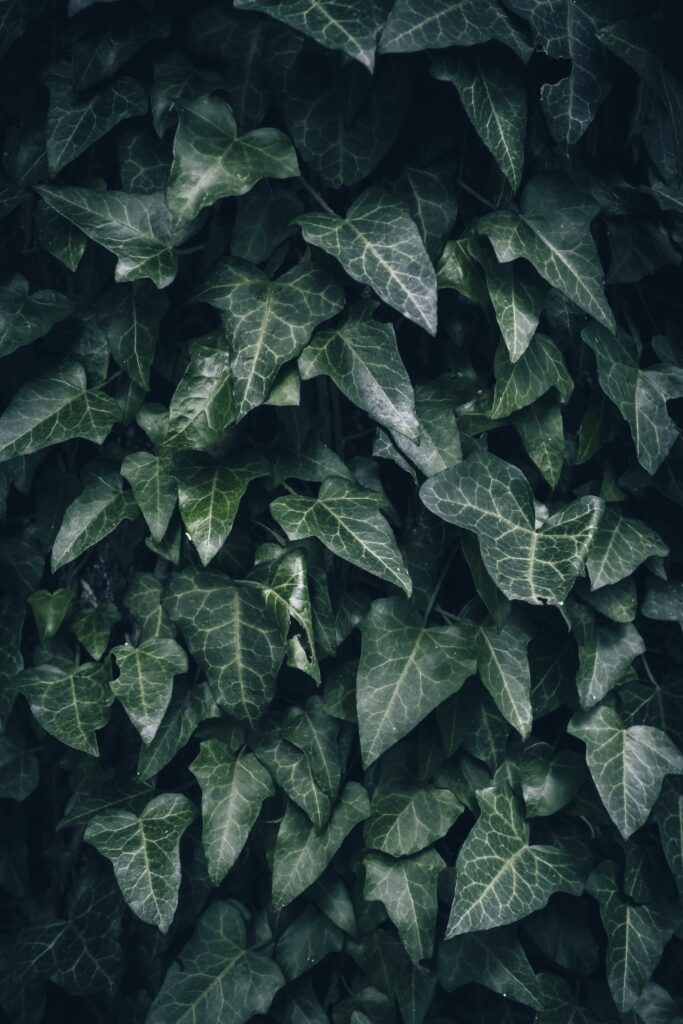
Ivy evergreen plants, with their lush green foliage and ability to climb or cascade, are versatile additions to any garden or home. Popular varieties like English ivy (Hedera helix) are low-maintenance and thrive in various environments. Whether you’re growing ivy as a ground cover, a decorative climber, or a potted plant, this guide will cover everything you need to know. From selecting the best zone and pot type to understanding soil, water, and care requirements, you’ll have all the tools needed to cultivate beautiful ivy evergreen plants.
Best Zone for Growing Ivy
Ivy is incredibly adaptable, thriving in USDA zones 4 through 9. In these zones, it grows well in shaded areas, partial sun, or even full sun, depending on the variety. While ivy is hardy and tolerates cold winters, it also handles warm climates with proper care. If you live in a region outside these zones, growing ivy in pots gives you the flexibility to move it indoors during extreme weather.
Growing Ivy in Pots
Ivy is an excellent choice for containers, making it a favorite for patios, balconies, and indoor spaces. When choosing a pot, go for one with adequate drainage holes to prevent waterlogging. Terracotta, ceramic, or plastic pots work well, but hanging baskets also make a great option for trailing varieties.
Fill the pot with a lightweight, well-draining potting mix enriched with organic matter. A mix designed for general houseplants works fine, but adding some perlite or sand ensures better drainage. For indoor ivy, choose a smaller pot to control growth, while outdoor ivy can thrive in larger containers.
Growing Ivy in the Garden
In garden settings, ivy serves as an elegant ground cover or a climbing plant for walls, fences, and trellises. To grow ivy in the garden, select a location with partial to full shade. While some varieties tolerate direct sunlight, too much sun can scorch the leaves.
Prepare the soil by loosening it to improve drainage and incorporating compost or organic matter. Ivy thrives in slightly acidic to neutral soil with a pH between 6.0 and 7.0. When planting, space the ivy about 12–18 inches apart to allow for spreading and airflow.
Watering Needs
Ivy prefers consistent moisture but dislikes soggy soil. Water your ivy when the top inch of soil feels dry. In pots, this usually means watering once or twice a week, depending on the climate and pot size. Outdoor ivy requires less frequent watering once established, as it can rely on natural rainfall.
During dry spells or hot weather, increase watering to prevent the soil from completely drying out. Mulching around outdoor ivy helps retain moisture and reduces the need for frequent watering.
Fertilizing Ivy
Ivy doesn’t need heavy fertilization, but regular feeding promotes lush, healthy growth. Use a balanced liquid fertilizer diluted to half strength every four to six weeks during the growing season (spring and summer). Slow-release fertilizers also work well and require fewer applications.
Indoor ivy may need slightly more frequent feeding than outdoor plants, as nutrients in pots deplete faster. Avoid over-fertilizing, as too much nitrogen encourages excessive leaf growth but weakens the plant overall.
Pruning Ivy
Pruning ivy is essential for keeping its growth in check and maintaining a neat appearance. Ivy grows rapidly, especially in the garden, where it can quickly spread if left unattended. Use clean pruning shears to trim back overgrown vines in early spring or late fall.
When growing ivy as a climber, prune it to encourage branching and a fuller appearance. For potted ivy, trimming prevents tangling and keeps it compact. Regularly remove any dead or yellowing leaves to maintain plant health and appearance.
How to Care for Evergreen Ivy Plants
Caring for ivy involves providing the right conditions and meeting its basic needs. Here are key tips for successful growth in pots and gardens:
- Light: Ivy tolerates a wide range of light conditions, from full shade to partial sun. Variegated varieties require more light to maintain their color, while green-leaved ivy thrives in low light.
- Temperature: Ivy grows well in temperatures between 50°F and 75°F. Indoor ivy prefers cooler spots away from direct heat sources like radiators or fireplaces.
- Humidity: Indoor ivy benefits from moderate to high humidity. Mist the leaves occasionally or place a humidifier nearby if the air is dry.
- Pest Control: While ivy is generally pest-resistant, it can sometimes attract spider mites, aphids, or scale. Inspect the leaves regularly and treat infestations with insecticidal soap or neem oil.
- Repotting: For potted ivy, repotting every two to three years prevents root-bound plants. Choose a slightly larger pot and refresh the soil to keep your ivy thriving.
Benefits of Growing Ivy
Ivy evergreen plants offer both aesthetic and practical benefits. As a ground cover, ivy suppresses weeds and prevents soil erosion. When grown as a climber, it adds texture and greenery to walls, trellises, and fences. Potted ivy works as a natural air purifier indoors, improving air quality and adding charm to your home.
Ivy is also an excellent choice for gardeners looking for low-maintenance plants. Once established, it requires minimal care and adapts to various conditions, making it suitable for beginners and experienced gardeners alike.
Common Varieties of Ivy
There are many types of ivy to choose from, each with unique characteristics:
- English Ivy: The most popular variety, known for its fast growth and adaptability.
- Irish Ivy: Similar to English ivy but with larger leaves and a more vigorous growth habit.
- Algerian Ivy: Features larger, glossier leaves and thrives in warmer climates.
- Variegated Ivy: Offers striking foliage with white or yellow edges, ideal for decorative purposes.
Happy Ivy Gardening
Growing ivy evergreen plants in pots or gardens is an easy way to add year-round greenery to your landscape or home. With the right zone, pot type, soil, and care, you can enjoy this versatile plant for years. Whether you use ivy as a ground cover, a climber, or a decorative indoor plant, its adaptability and beauty make it a favorite among gardeners. By following these tips, you’ll cultivate healthy, thriving ivy that enhances any space effortlessly.
Please be sure to check out my Gardening Blog Post Page for more tips on all types of gardening. Including Seed Saving, Seed Starting, Orchids, Water Gardening, Coldframe Gardening, Indoor Bulb Gardening, Hydroponics, Container Gardening, Mums, Herbs, African Violets, planting Bulbs, Flower Gardening, Vegetable and Fruit Gardening, Indoor Houseplants of all kinds, Cactus, Succulents, Hanging plants, Deer resistant plants and even Bird, Bee, Butterfly and Hummingbird Gardens!