
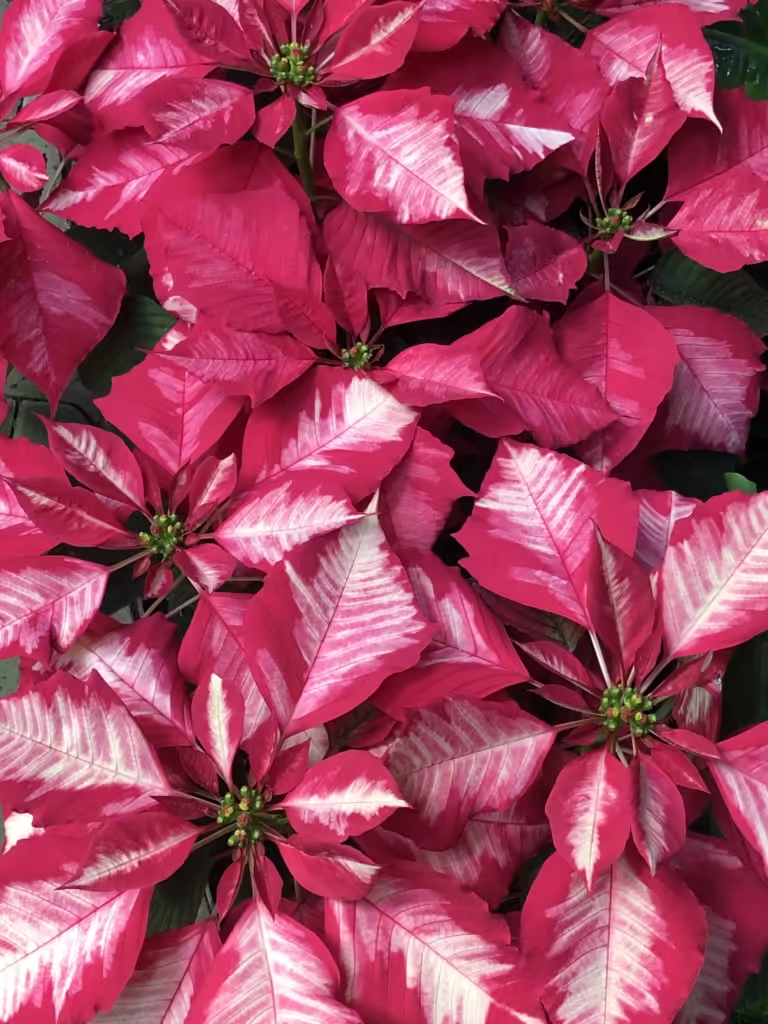
Poinsettias are beloved holiday plants, known for their vibrant red, white, or pink bracts. While many people toss them after the holiday season, poinsettia as a houseplant can thrive year-round with the right care. By learning how to repot, water, fertilize, prune, and encourage them to bloom again, you can enjoy their stunning colors beyond winter. This guide covers everything you need to know to keep your poinsettia healthy and beautiful throughout the year.
Repotting Your Poinsettia for Optimal Growth
Repotting poinsettias ensures they have enough room to grow and provides fresh nutrients to the soil. The best time to repot is in early spring, typically around March or April, when the plant is transitioning out of its dormant phase. This timing gives it a fresh start as it begins its growth phase.
When repotting, choose a pot that is one to two inches larger than its current pot. Poinsettias prefer well-draining soil, so use a high-quality potting mix with perlite or sand to improve drainage. Avoid heavy, compact soil, as this can trap moisture and lead to root rot. To repot, carefully slide the plant out of its old container, gently loosen any tangled roots, and place it in the new pot. Fill around the roots with fresh soil, water thoroughly, and make sure excess water drains out to prevent soggy roots.
How to Water Your Poinsettia
Watering poinsettias correctly is key to keeping them healthy. They prefer consistent moisture, but they don’t like soggy soil. During the growing season, which spans spring and summer, water your poinsettia when the top inch of soil feels dry. Give it a thorough watering until water flows from the drainage holes, and then empty the saucer to prevent the plant from sitting in excess water.
In fall and winter, poinsettias enter a resting phase and need less water. During this period, wait until the top two inches of soil dry out before watering. Overwatering in winter can lead to root rot and other issues, so check the soil regularly and adjust your watering frequency as needed.
Fertilizing Your Poinsettia for Year-Round Health
To keep your poinsettia vibrant and strong, fertilize it during its active growing season in spring and summer. Use a balanced, water-soluble fertilizer with equal parts nitrogen, phosphorus, and potassium (such as a 10-10-10 or 20-20-20 formula). Apply the fertilizer once a month, following the instructions on the label to avoid over-fertilization, which can damage the roots.
Avoid fertilizing your poinsettia during the fall and winter months when it’s resting. Fertilizing during this period can interfere with the plant’s natural cycle and reduce its chances of blooming again. By giving it a break in winter, you allow it to store energy for the next growth cycle.
Pruning Your Poinsettia for Healthy Growth
Pruning plays an important role in poinsettia care, helping shape the plant and encouraging fuller growth. After the blooming season ends, typically in late winter or early spring, prune your poinsettia back by about one-third of its height. This helps it transition into its dormant phase and prepares it for new growth in the spring.
Throughout spring and summer, prune any leggy or overly long stems to maintain a bushy, compact shape. Regular pruning also promotes more branching, which leads to a fuller appearance and more vibrant bracts during the next blooming period. When pruning, use clean, sharp scissors or pruners to avoid damaging the plant and reduce the risk of infection.
How to Get Your Poinsettia to Bloom Again
One of the most rewarding aspects of poinsettia care is getting it to bloom again for the holiday season. The key to reblooming poinsettias lies in controlling their exposure to light. Poinsettias are short-day plants, meaning they need long nights to trigger blooming.
In early October, begin placing your poinsettia in complete darkness for 14 hours each night. You can achieve this by covering it with a cardboard box or moving it to a dark room. During the day, place it in bright, indirect sunlight for 8-10 hours. Continue this routine for about eight weeks, until mid-November, when you should start to see buds forming. Once the buds appear, you can stop the darkness routine and return the poinsettia to its usual spot with regular daylight exposure.
It’s crucial to keep the plant in a consistent environment during this time. Avoid placing it near drafts, heaters, or sources of artificial light at night, as these can disrupt the blooming process. With patience and attention to this routine, you’ll be rewarded with beautiful, colorful bracts in time for the holiday season.
Common Problems and How to Fix Them
While poinsettias are generally low-maintenance, they can face a few common issues. Here’s how to address some typical problems:
- Yellowing leaves: Yellowing can signal overwatering or poor drainage. Check that your pot has drainage holes, and make sure not to water until the top inch of soil is dry. If yellowing continues, consider repotting with fresh soil to improve drainage.
- Drooping leaves: This can happen from both underwatering and overwatering. Check the soil’s moisture level; if it’s dry, water the plant thoroughly. If the soil is wet, let it dry out before watering again.
- Leaf drop: Leaf drop often occurs when the plant experiences stress, such as changes in light or temperature. Keep your poinsettia in a stable environment, away from drafts or direct sunlight.
- Lack of blooms: If your poinsettia doesn’t bloom, it may not have received enough darkness during the fall. Remember to follow the 14-hour darkness routine starting in October.
Seasonal Care for Year-Round Enjoyment
Caring for poinsettias as houseplants involves adjusting their care routines based on the seasons. Here’s a quick overview to help you provide the best care year-round:
- Spring: Repot your poinsettia in early spring if needed. Begin regular watering, fertilizing, and pruning as new growth appears.
- Summer: Continue to water consistently, fertilize monthly, and shape the plant by pruning any long stems.
- Fall: Stop fertilizing in early fall and start the darkness routine in October to encourage blooming.
- Winter: Enjoy the blooms through the holiday season, watering less frequently as the plant rests.
Happy Poinsettia Gardening!
With the right care, poinsettias can flourish as houseplants and bloom year after year. By following these tips for repotting, watering, fertilizing, pruning, and encouraging blooming, you’ll keep your poinsettia healthy and vibrant beyond the holiday season. Whether you’re a seasoned gardener or a new plant enthusiast, maintaining a poinsettia as a houseplant is a rewarding way to enjoy its festive colors year-round.
Please be sure to check out my Gardening Blog Post Page for more tips on all types of gardening. Including Seed Starting, Orchids, Water Gardening, Coldframe Gardening, Indoor Bulb Gardening, Hydroponics, Container Gardening, Mums, Herbs, African Violets, planting Bulbs, Flower Gardening, Vegetable and Fruit Gardening, Indoor Houseplants of all kinds, Cactus, Succulents, Hanging plants, Deer resistant plants and even Bird, Bee, Butterfly and Hummingbird Gardens!