
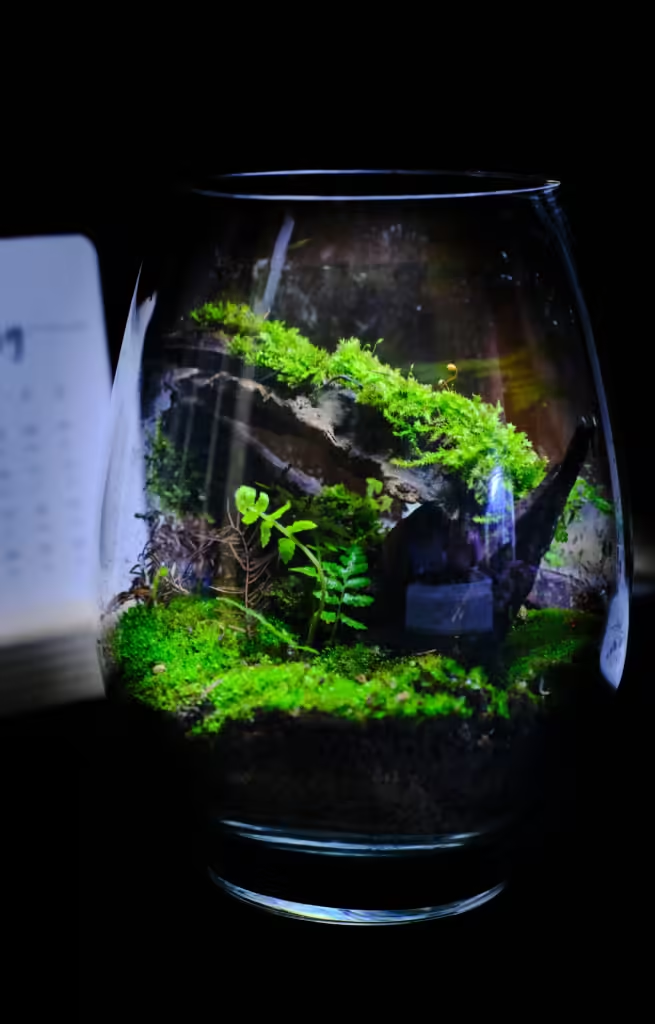
Creating a moss terrarium brings a piece of the forest right to your home, offering a low-maintenance, lush green display perfect for small spaces. Building a moss terrarium can also be a relaxing, creative activity that lets you get close to nature without needing a large outdoor garden. To set you on the right path, this guide covers everything from selecting moss and terrarium types to planting and ongoing care. With the right approach, your terrarium for moss will thrive and remain healthy for a long time.
Choosing the Right Terrarium Container
The first step in creating a beautiful moss terrarium is selecting the right container. Terrariums come in various shapes and sizes, each offering unique visual appeal and functionality. Glass containers work best for moss because they retain moisture well, which is essential for moss. Here are a few popular terrarium options:
- Closed Terrariums: Closed terrariums create a high-humidity environment, ideal for moss species that thrive in moist, shaded environments. The closed environment helps trap moisture, reducing the need for frequent watering. Jars with lids, glass globes, and even old fishbowls make great choices for closed terrariums.
- Open Terrariums: Open terrariums provide better airflow and are suitable for moss types that can handle lower humidity levels. These terrariums also offer a little more flexibility in design, making them great if you want to add other plants that prefer slightly less humidity.
- Recycled Glassware: Using glassware you already own, like mason jars or glass bottles, can make this project even more sustainable. Ensure that the container is clear, as moss needs indirect light to grow.
Each type of terrarium can work well, but your choice should depend on the kind of moss you plan to use and the environment you prefer for it.
Selecting Moss for Your Terrarium
When it comes to moss, you have plenty of choices. Some mosses require higher moisture levels and shade, while others can tolerate drier conditions. Here are some popular moss types you might consider for your terrarium:
- Sheet Moss (Hypnum): Known for its velvety texture and bright green color, sheet moss forms a beautiful carpet across the terrarium. It works well in closed terrariums because it loves high humidity.
- Cushion Moss (Leucobryum): This moss forms small, soft mounds that add a unique texture to the terrarium. Cushion moss grows well in high humidity but can also handle slightly drier conditions, making it versatile.
- Fern Moss (Thuidium): Fern moss creates a lacy, textured look with its fern-like appearance. It does best in closed terrariums due to its high moisture needs.
- Reindeer Moss (Cladonia): Technically a lichen rather than moss, reindeer moss adds a unique, branching structure and looks stunning in open terrariums where it gets plenty of airflow.
- Java Moss (Taxiphyllum barbieri): Although commonly used in aquariums, Java moss can also thrive in a terrarium. It prefers a humid environment, making it a great addition to closed terrariums.
Each moss variety offers a different look and feel to your terrarium, so mix and match as desired for a personalized display.
Preparing Your Terrarium for Planting
Once you’ve selected a container and moss, it’s time to prepare the terrarium for planting. Begin by cleaning your container thoroughly to prevent mold or mildew. Then, layer the bottom with materials to promote drainage and prevent water from pooling, which can rot the moss.
- Base Layer: Start with small pebbles or gravel at the bottom of the terrarium. This layer helps excess water drain away from the moss and reduces the risk of root rot if you add other small plants.
- Charcoal Layer: A thin layer of activated charcoal goes on top of the gravel. Charcoal helps absorb excess moisture and prevents odors or fungal growth, which is especially important in closed terrariums.
- Soil Layer: Spread a layer of potting soil or a peat moss mix, just deep enough for the moss to anchor. Moss doesn’t require rich soil, so regular potting soil or coconut coir works well.
After layering, lightly mist the soil to create a moist base before you start adding moss. This step primes the soil for moss growth and helps the moss adhere better.
Planting the Moss
Now that your terrarium is prepared, it’s time to add your moss. Arrange the moss in your container according to your design preferences. You can use a single type of moss for a uniform look or mix different varieties to create contrast and texture. Gently press the moss onto the soil, ensuring it makes full contact. You may need to use tweezers for smaller pieces to position them accurately.
Mist the moss after placing it to help it settle and absorb moisture. However, avoid oversaturating it—dampness is key, but soggy moss can start to rot.
Caring for Your Moss Terrarium
Proper care keeps your moss terrarium thriving and looking fresh. Here are the most important aspects of terrarium maintenance:
- Watering: Moss needs consistent moisture to stay lush, but the amount depends on the type of terrarium. For closed terrariums, you may only need to mist every two weeks since they naturally retain moisture. Open terrariums require more frequent misting, usually once or twice a week. Mist the moss lightly, aiming for damp but not soaked conditions.
- Lighting: Moss prefers indirect sunlight or filtered light. Direct sunlight can cause the glass in a closed terrarium to heat up, harming the moss. A north-facing window or an area with diffused light works well. If your space lacks natural light, consider using a low-intensity grow light.
- Humidity: Closed terrariums maintain high humidity, but for open terrariums, you might need to mist more often or place a shallow dish of water nearby to increase ambient humidity.
- Cleaning: Keep the glass clean to allow maximum light in. Use a soft cloth to wipe down the inside and outside of the terrarium every few weeks. Regular cleaning prevents dust buildup and allows your terrarium to shine.
- Trimming and Maintenance: Occasionally, moss may grow too tall or develop brown patches. Trim back any overgrowth with scissors and remove dead sections to keep the terrarium looking its best. Moss doesn’t need fertilizers, so avoid adding any, as this can disrupt its natural growth.
Troubleshooting Common Issues
While moss terrariums are generally easy to maintain, a few issues can occasionally arise. Watch for mold, which can develop in overly damp environments. If you spot mold, reduce watering, and ensure the terrarium has enough airflow. Brown or dried moss often means the terrarium is receiving too much sunlight or not enough humidity, so adjust its position or mist it more frequently.
Happy Gardening!
With the right approach, a moss terrarium can bring a miniature, vibrant ecosystem into your home. From choosing the right container and moss types to setting up the ideal environment and providing ongoing care, each step plays a part in creating a lush, green display. A moss terrarium not only serves as a living piece of art but also offers a calming, low-maintenance way to connect with nature year-round. Enjoy your green escape and watch your terrarium flourish!
Please be sure to check out my Gardening Blog Post Page for more tips on all types of gardening. Including Seed Starting, Orchids, Water Gardening, Coldframe Gardening, Indoor Bulb Gardening, Hydroponics, Container Gardening, Mums, Herbs, African Violets, planting Bulbs, Flower Gardening, Vegetable and Fruit Gardening, Indoor Houseplants of all kinds, Cactus, Succulents, Hanging plants, Deer resistant plants and even Bird, Bee, Butterfly and Hummingbird Gardens!