
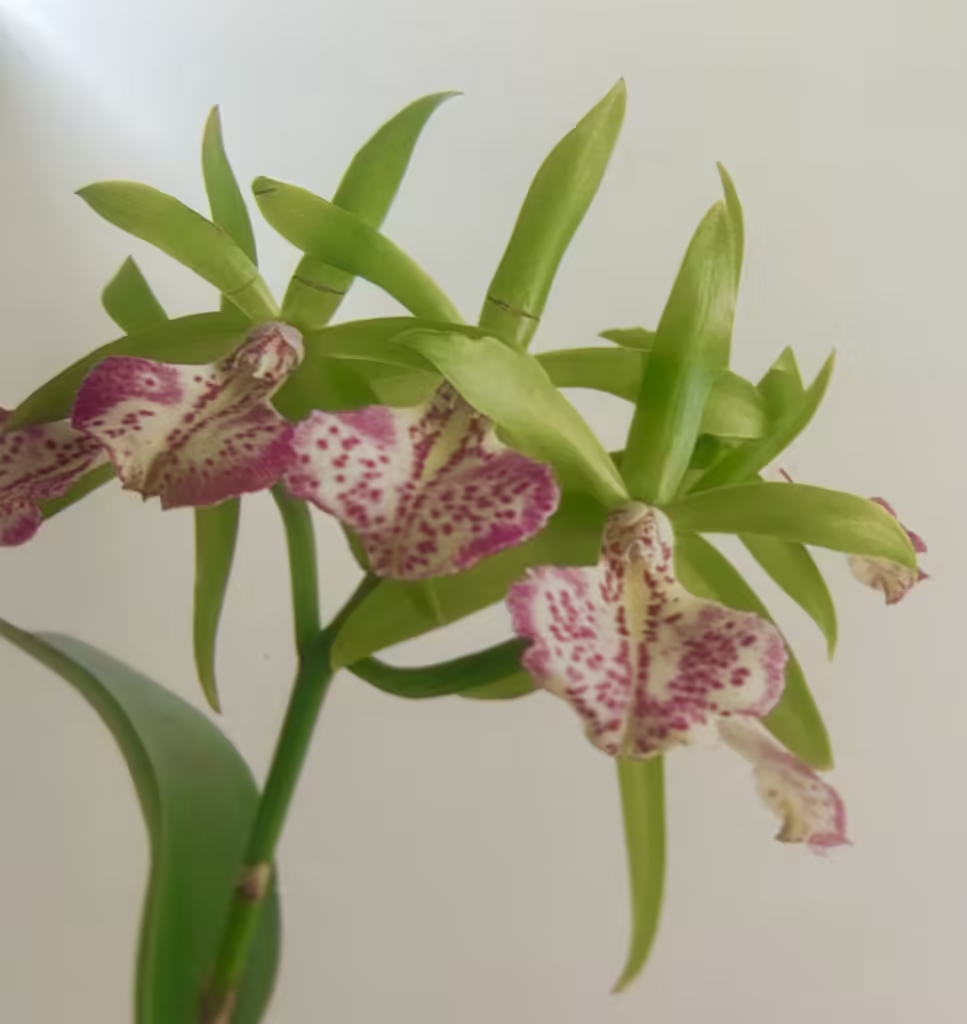
Brassocattleya hybrid orchids, a cross between Brassavola Binosa and Cattleya Bicolor, offer the best of both worlds with their fragrant, showy blooms and relatively easy care. These orchids are epiphytes and lithophytes, meaning they naturally grow on trees or rocks in their native environments. With their sympodial growth habit, Brassocattleya hybrids form new growths from the base of the older ones, making them a fascinating plant to watch develop. In this post, we’ll walk through how to successfully grow and care for Brassocattleya hybrid orchids, covering planting, soil type, lighting requirements, watering, fertilization, humidity, and how to encourage blooming. We’ll also touch on how to care for these orchids after they bloom.
Planting Your Brassocattleya Orchid
When it comes to planting your Brassocattleya orchid, you have two primary options: potting the orchid or mounting it on bark. Both methods mimic its natural growing conditions as either an epiphyte or lithophyte.
For those who prefer potting, select a potting mix specifically designed for orchids. The best mix for Brassocattleya orchids is 6 parts coniferous bark such as pine, 1 part perlite or pumice, 1 part coarse sphagnum peat moss and 1 part horticultural charcoal, which will provide excellent drainage and aeration. These orchids dislike soggy roots, so a well-draining potting medium is crucial. A clear plastic pot with ample drainage holes allows you to monitor the health of the roots and see when it’s time to water. If you notice the roots turning brown or mushy, the orchid is likely getting too much water or not enough air circulation.
If you prefer a more natural look, mounting your Brassocattleya on bark or cork can work well. Orchids mounted this way tend to dry out faster, so you’ll need to increase your watering frequency. However, the increased air circulation can boost root health. Secure the plant to the mount with twine or fishing line, ensuring that the roots are snug but not tightly bound.
Light Requirements: Natural and Grow Lights
Brassocattleya orchids thrive in bright, indirect light. In their natural habitat, they grow in the filtered light that trickles through the canopy. To replicate this at home, place your orchid near an east or west-facing window. If you notice dark green leaves, your orchid might not be getting enough light. On the other hand, yellowish or reddish leaves may indicate too much direct sunlight. A sheer curtain can help filter intense sunlight and protect the orchid from burning.
For indoor growers who don’t have access to enough natural light, grow lights are an excellent alternative. Use full-spectrum LED grow lights that replicate natural sunlight, ensuring the orchid gets at least 12 to 14 hours of light per day. Position the grow light about 12 to 18 inches above the plant, making sure it’s not too close to prevent overheating. With consistent lighting, your Brassocattleya orchid will flourish.
Watering Your Brassocattleya Orchid
Watering Brassocattleya orchids requires a careful balance. These orchids like to be thoroughly watered but hate sitting in stagnant moisture. When you water, allow the water to run through the potting medium, thoroughly soaking the roots. However, always ensure the pot drains well and never let the orchid sit in water. For mounted orchids, water more frequently as the bark or cork dries out faster.
A good rule of thumb is to water once a week for potted orchids, but check the roots and potting medium first. If the mix is still moist, wait a few more days. Mounted orchids typically need watering about three times a week, depending on your home’s humidity levels. Brassocattleya orchids prefer a wet-dry cycle, so allow the potting medium to dry slightly between waterings.
Humidity and Air Circulation
Brassocattleya orchids thrive in humidity levels between 50% and 70%. If you live in a dry climate or grow your orchid indoors, maintaining this level of humidity can be challenging. Using a humidity tray, misting the plant daily, or placing a humidifier in the room can help create a more suitable environment. I like this mini hygrometer I found on Amazon to monitor the humidity levels.
Air circulation is equally important. Stagnant air can encourage fungal infections and rot. Ensure there’s enough airflow around your orchid, especially if you’re growing it in a high-humidity environment. A small fan can help keep the air moving without blowing directly on the plant.
Fertilizing Brassocattleya Orchids
Regular feeding is essential for Brassocattleya orchids, especially during their growing season from spring through early fall. Use a balanced orchid fertilizer, such as a 20-20-20 blend, at half the recommended strength. Apply fertilizer every two weeks during the active growth period.
During the winter months, when growth slows down, reduce fertilization to once a month. It’s also a good idea to flush the potting medium with plain water once a month to remove any salt buildup from the fertilizer. This will keep the roots healthy and prevent nutrient burn.
Getting Your Brassocattleya Orchid to Bloom
Brassocattleya orchids are famous for their large, fragrant flowers, but getting them to bloom requires the right care. Light is the most critical factor in encouraging blooms. Ensure your orchid receives plenty of bright, indirect light, whether from natural sources or grow lights.
Temperature changes can also stimulate flowering. Brassocattleya orchids benefit from a slight drop in temperature at night, ideally between 55°F and 60°F, with daytime temperatures around 70°F to 80°F. This temperature shift mimics their natural environment and triggers the blooming process.
It’s important not to overfeed your orchid, as too much nitrogen can lead to lush foliage at the expense of blooms. Sticking to a balanced fertilization schedule and providing the right conditions will increase the chances of flowers.
Post-Bloom Care
Once your Brassocattleya orchid finishes blooming, it will enter a resting phase. During this time, reduce watering slightly but don’t allow the orchid to dry out completely. You can also reduce the frequency of fertilizing to once a month at a diluted strength.
After the flowers fade, cut the spent flower spike using sterilized scissors, trimming just above the base of the plant. This will help the orchid conserve energy for its next growth phase. Continue to provide the proper light, water, and humidity to encourage new growth, which will eventually lead to future blooms.
Happy Orchid Gardening
Growing a Brassocattleya hybrid orchid is a rewarding experience that brings the beauty and fragrance of the wild into your home. By understanding the specific care needs, such as planting in well-draining orchid mix or mounting, providing the right light, watering carefully, and maintaining proper humidity, you can enjoy healthy growth and stunning blooms year after year. With patience and attention to detail, your Brassocattleya hybrid orchid will thrive and reward you with its beautiful, long-lasting flowers.
Please be sure to check out my Gardening Blog Post Page for more tips on all types of gardening. Including Seed Starting, Orchids, Water Gardening, Coldframe Gardening, Indoor Bulb Gardening, Hydroponics, Container Gardening, Mums, Herbs, African Violets, planting Bulbs, Flower Gardening, Vegetable and Fruit Gardening, Indoor Houseplants of all kinds, Cactus, Succulents, Hanging plants, Deer resistant plants and even Bird, Bee, Butterfly and Hummingbird Gardens!