
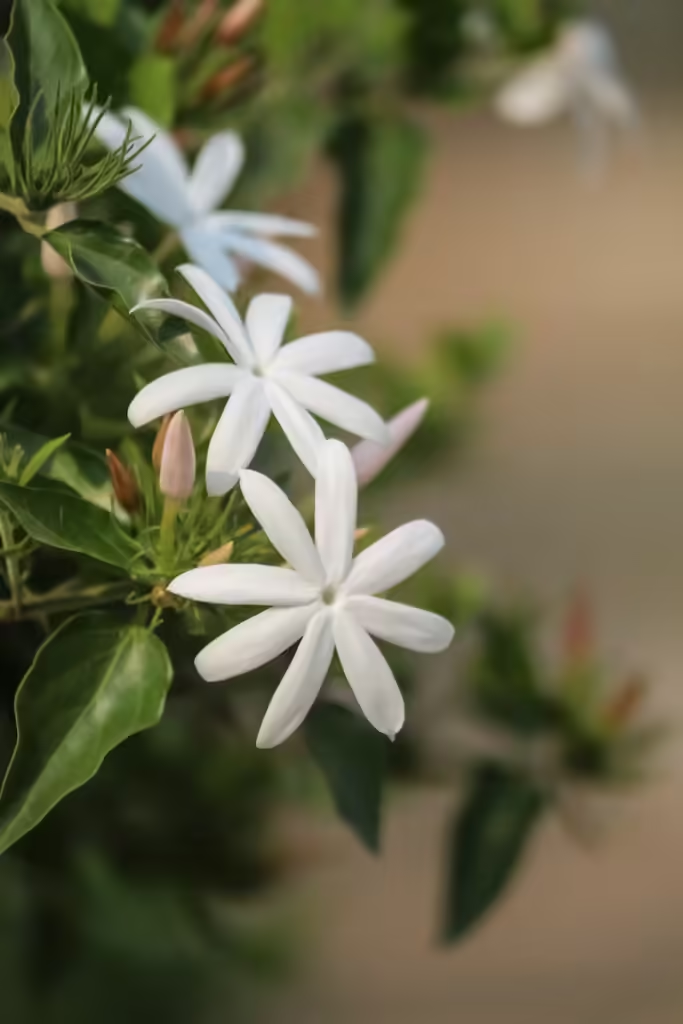
Star jasmine (Trachelospermum jasminoides) is a versatile, fragrant vine that can enhance any garden with its sweet-smelling white flowers and glossy green leaves. Whether grown in a pot or directly in the ground, star jasmine is a low-maintenance plant that, with the right care, will thrive and provide beauty for many years. In this blog post, we’ll cover star jasmine growth, how to plant and care for in both settings, including light requirements, soil preparation, watering, fertilization, pruning, and how to overwinter the plant. Let’s dive into the details.
Light Needs for Star Jasmine
Star jasmine loves sunlight, but it can tolerate partial shade. For optimal growth, position your star jasmine where it will receive at least 4 to 6 hours of direct sunlight each day. If you’re planting it in a pot, place the container on a porch or patio that gets plenty of bright sunlight, but make sure the plant has some protection from harsh afternoon sun in very hot climates. Too much intense sun can scorch the leaves, so dappled or morning sunlight followed by some afternoon shade is ideal.
If you plant your star jasmine in the ground, choose a spot that gets good sun exposure but also has some natural shading during the hottest parts of the day. This balance will encourage healthy growth and an abundance of blooms.
Soil Preparation for Star Jasmine
The right soil is crucial for star jasmine to flourish. Whether planting in a pot or the ground, this vine prefers well-draining soil that is slightly acidic to neutral (a pH range of 6.0 to 7.5). If you are planting in a container, use a high-quality potting mix that includes organic matter like compost or peat moss to enhance drainage and provide nutrients.
For ground planting, you’ll need to ensure that the soil is loose and fertile. Begin by loosening the soil in the planting area to a depth of about 12 to 18 inches. Mix in organic compost to improve both the soil texture and its nutrient content. If your soil is heavy clay or tends to retain water, adding sand or perlite can increase drainage, which is key since star jasmine doesn’t like to sit in waterlogged soil.
How to Plant Star Jasmine
Once your soil is prepared, it’s time to plant. For pots, choose a container that is at least 12 inches in diameter to give the roots room to grow. Make sure the pot has drainage holes to prevent water buildup. Fill the pot with your prepared potting mix, leaving enough room at the top so that the root ball of the jasmine can sit level with the soil. Gently place the plant in the pot and backfill around the roots, pressing the soil down lightly.
If you are planting in the ground, dig a hole twice as wide and just as deep as the plant’s root ball. Place the plant in the hole, ensuring that the top of the root ball is level with the surrounding soil. Backfill with your soil mixture, pressing it down firmly but gently to remove any air pockets.
Watering Star Jasmine
Star jasmine enjoys consistently moist soil, but it doesn’t do well in soggy conditions. After planting, give it a good soak to help the roots establish themselves. For the first few months after planting, keep the soil consistently moist but not waterlogged. Water the plant deeply once or twice a week, depending on the climate. If the weather is particularly hot and dry, increase the frequency of watering. In cooler climates or seasons, you can reduce watering, allowing the top inch of soil to dry out between waterings.
In pots, be careful not to overwater, as excess moisture can lead to root rot. Make sure that any excess water drains away quickly, and avoid letting water sit in saucers or trays under the pot.
Fertilizing Star Jasmine
Star jasmine doesn’t require heavy feeding, but regular fertilization can encourage healthier growth and more abundant blooms. In the spring, apply a balanced, slow-release fertilizer to the soil around the plant. A fertilizer with an equal ratio of nitrogen, phosphorus, and potassium (such as 10-10-10) works well. For potted jasmine, use a liquid fertilizer diluted to half strength every 4 to 6 weeks during the growing season (spring through summer).
Avoid over-fertilizing, as too much nitrogen can result in lush foliage but fewer flowers. It’s better to under-fertilize than overdo it, especially if the plant is in good soil.
Pruning Star Jasmine
Pruning is an essential part of caring for star jasmine, as it helps to control its size, shape, and overall health. Star jasmine can grow vigorously, especially in warm climates, so regular pruning is important to keep it looking tidy. In late winter or early spring, before new growth begins, prune back any dead or damaged stems to encourage fresh growth. You can also trim the plant to shape it, especially if you’re growing it as a vine on a trellis or as ground cover.
Throughout the growing season, pinch back the tips of the plant to encourage bushier growth and remove any spent flowers to promote more blooms. For potted star jasmine, regular trimming will keep the plant manageable and prevent it from becoming root-bound.
How to Overwinter Star Jasmine
Star jasmine is hardy in USDA zones 8 to 10, but in colder climates, you’ll need to take steps to protect it during the winter. If your plant is in a pot and you’re in a region where temperatures drop below freezing, move the pot indoors or to a sheltered area like a garage or greenhouse before the first frost. Place it in a cool, sunny spot and reduce watering, allowing the plant to go semi-dormant during the winter months.
For ground-planted star jasmine in colder climates, you can protect the roots by applying a thick layer of mulch around the base of the plant. This helps insulate the soil and protects the roots from freezing temperatures. In regions with mild winters, star jasmine can remain outdoors year-round without much extra care, though adding a layer of mulch still benefits the plant.
Happy Gardening
Star jasmine is a stunning and fragrant addition to any garden, whether grown in pots or directly in the ground. With the right light, well-draining soil, and proper care, this vine will reward you with glossy green foliage and fragrant white flowers for years to come. By keeping up with regular watering, fertilizing, and pruning, you can ensure that your star jasmine thrives. And with a little extra care in winter, even gardeners in colder climates can enjoy the beauty of star jasmine year after year.
Please be sure to check out my Gardening Blog Post Page for more tips on all types of gardening. Including Seed Starting, Orchids, Water Gardening, Coldframe Gardening, Indoor Bulb Gardening, Hydroponics, Container Gardening, Mums, Herbs, African Violets, planting Bulbs, Flower Gardening, Vegetable and Fruit Gardening, Indoor Houseplants of all kinds, Cactus, Succulents, Hanging plants, Deer resistant plants and even Bird, Bee, Butterfly and Hummingbird Gardens!