
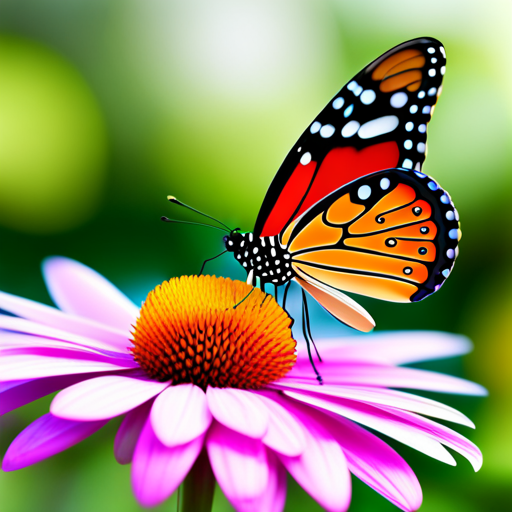
Creating a butterfly garden on your porch or patio is an excellent way to attract beautiful pollinators while adding color and life to your outdoor space. Whether you have a small balcony or a spacious patio, you can easily create a butterfly-friendly environment by choosing the right containers, positioning them strategically, and selecting plants that cater to butterflies’ needs. In this post, we’ll explore how to set up your butterfly garden and highlight the best plants that will draw in these graceful creatures.
Choosing the Right Containers
The first step in creating a butterfly garden on your porch or patio is selecting the right containers. Since butterflies are attracted to flowers and herbs, you’ll need a variety of pots that can accommodate different plant sizes and growing conditions.
For large plants like the dwarf butterfly bush, a bigger container is ideal. These shrubs can grow up to three feet tall, so you’ll want a pot that provides ample space for the roots to spread. Look for sturdy, deep containers made from materials like terracotta or ceramic, which offer good stability and drainage.
For smaller plants like sedum, lemon thyme, and marjoram, medium-sized containers work well. These plants can thrive in compact spaces, and using containers around 12 inches in diameter is perfect for their needs. Additionally, consider hanging baskets or window boxes for some of your plants, such as parsley and common thyme. Hanging baskets not only save space but also create a layered effect that adds visual interest and encourages butterflies to explore different levels of your garden.
When choosing your containers, make sure they all have proper drainage holes. Butterfly-attracting plants generally prefer well-drained soil, so preventing water buildup is essential. Additionally, using containers with light colors can help reflect heat and keep the soil from drying out too quickly, which is particularly helpful during hot summer months.
Don’t Forget the Water!
If you’re creating a butterfly garden, providing a small container of water is a simple way to attract butterflies and keep them hydrated. A butterfly puddling dish is an ideal option for this. Here’s how you can make and maintain one:
- Choose a Shallow Dish: Butterflies prefer shallow water, so use a small dish, like a saucer or a shallow birdbath. The water should not be deep, as butterflies like to rest on the edges while drinking.
- Add Sand or Stones: Line the bottom of the dish with sand, stones, or gravel. This helps butterflies land safely and drink without getting their wings wet.
- Water Source: Add just enough water to moisten the sand or stones. You don’t need to fill the dish entirely; the goal is to keep the surface damp.
- Salt and Minerals: Butterflies are attracted to the minerals found in natural puddles. You can add a pinch of salt or a small amount of dissolved fertilizer to the water to mimic the nutrients found in the wild.
Place the water dish in a sunny, sheltered spot in your butterfly garden. Keep it clean and refill it regularly to maintain a fresh water source for the butterflies.
Positioning Your Containers for Success
Once you’ve chosen your containers, the next step is positioning them in the right spot. Butterflies are attracted to sunny, sheltered areas where they can easily feed, rest, and lay eggs. Therefore, place your containers in locations that receive at least six hours of sunlight each day. Patios, porches, and balconies with southern or western exposure work best for this.
However, while butterflies love the sun, they also need protection from the wind. Windy spots can make it difficult for butterflies to land on plants and feed. To solve this, position your containers near a wall, fence, or railing that can act as a windbreak. You can also group your containers together, which helps create a more sheltered environment and allows butterflies to move between plants easily.
Consider placing some containers at different heights to add layers to your butterfly garden. For instance, use plant stands, stacked crates, or small tables to elevate some pots, while leaving others at ground level. This not only provides more feeding spots for butterflies but also makes your garden look more dynamic and visually appealing.
Best Plants for Attracting Butterflies
When creating a butterfly garden, it’s essential to choose plants that provide both nectar for adult butterflies and food for their caterpillars. Fortunately, many plants can serve both purposes, ensuring your garden becomes a haven for butterflies throughout their life cycle.
Lantana
This is a top choice for attracting butterflies. Its clusters of brightly colored flowers produce nectar that butterflies love. Additionally, lantana is easy to grow in containers, requiring minimal care as long as it gets plenty of sunlight. Place lantana in a large container and position it where it will receive full sun for most of the day.
Dwarf Butterfly Bush
Another excellent plant for your butterfly garden is the dwarf butterfly bush. As the name suggests, this plant is a magnet for butterflies. Its long, spiked flowers are not only beautiful but also rich in nectar. Choose a sunny spot for your butterfly bush, and make sure the soil drains well. Water the plant regularly, but don’t let the soil become soggy, as butterfly bushes prefer slightly drier conditions.
Herbs
For a touch of fragrance, consider adding marjoram and lemon thyme to your containers. Both plants attract butterflies with their small, nectar-rich flowers, and their aromatic leaves provide an additional sensory element to your garden. These herbs are low-maintenance and thrive in sunny conditions. Just make sure to keep the soil slightly moist, and they will reward you with both beauty and fragrance.
Adding parsley and common thyme to your butterfly garden not only attracts adult butterflies but also provides food for caterpillars, particularly for species like the swallowtail butterfly. Both herbs are easy to grow in containers and don’t require much space, making them perfect for small areas. Parsley thrives in partial sun, so it’s a good idea to place it in a spot that gets morning sun and afternoon shade. Thyme, on the other hand, prefers full sun, so keep it in a brightly lit location.
Sedum
Sedum, also known as stonecrop, is another great addition to your butterfly garden. This succulent plant is drought-tolerant and produces clusters of star-shaped flowers that attract butterflies. Sedum’s low-growing habit makes it perfect for container gardening, and it pairs well with taller plants like lantana or butterfly bush.
Caring for Your Butterfly Garden
To ensure your butterfly garden thrives, it’s important to provide the right care for your plants. Most butterfly-attracting plants prefer well-drained soil, so using a high-quality potting mix with added compost can give your plants the nutrients they need without becoming waterlogged. You can also add slow-release fertilizer to your containers to encourage healthy growth.
Water your plants regularly, but be mindful of their individual needs. Lantana, dwarf butterfly bush, and sedum are drought-tolerant and prefer their soil to dry out between waterings. On the other hand, herbs like parsley, lemon thyme, and marjoram enjoy slightly moist soil, so you’ll need to water them more frequently during hot weather.
Pests can sometimes be an issue in container gardens, but there are natural ways to manage them. Ladybugs and lacewings are natural predators of aphids, which can harm your plants. You can attract these helpful insects by planting flowers like daisies or yarrow nearby. Additionally, using organic insecticidal soap can help control pests without harming butterflies or caterpillars.
Happy Butterfly Gardening!
Creating a butterfly garden on your porch or patio is a wonderful way to bring nature closer to home. By choosing the right containers, positioning them in sunny and sheltered areas, and planting butterfly-friendly flowers and herbs like lantana, dwarf butterfly bush, sedum, and marjoram, you can attract a variety of butterflies to your outdoor space. With the right care and attention, your butterfly garden will flourish, providing a beautiful and fragrant environment that both you and the butterflies will enjoy all season long.
Please be sure to check out my Gardening Blog Post Page for more tips on all types of gardening. Including Seed Starting, Orchids, Water Gardening, Coldframe Gardening, Indoor Bulb Gardening, Hydroponics, Container Gardening, Mums, Herbs, African Violets, planting Bulbs, Flower Gardening, Vegetable and Fruit Gardening, Indoor Houseplants of all kinds, Cactus, Succulents, Hanging plants, Deer resistant plants and even Bird, Bee, Butterfly and Hummingbird Gardens!