
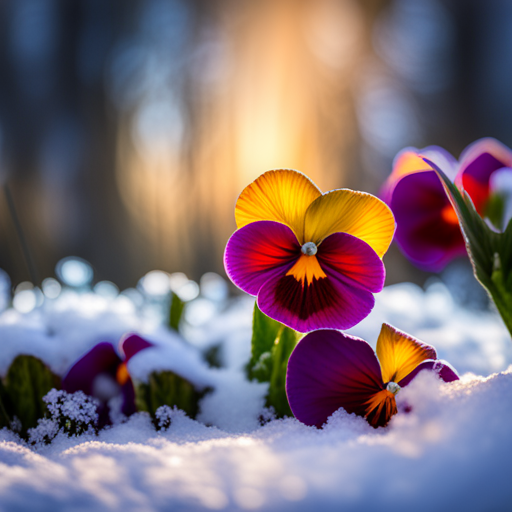
Winter might seem like a challenging time to maintain a colorful garden, but with the right selection of plants, your containers can stay vibrant even in the coldest months. Container gardening in winter allows you to bring life to patios, balconies, and porches, making your outdoor spaces more inviting. In this blog post, we’ll explore how to plant and grow winter flower containers, including a list of 10 best winter flowering plants for pots. We’ll also cover essential topics such as soil preparation, planting techniques, light requirements, water needs, fertilization, and what to do once the blooms have faded.
Preparing the Soil
Winter plants thrive best in well-draining soil that retains enough moisture to keep the roots healthy but doesn’t become waterlogged. Start with a high-quality potting mix designed for containers, which is lighter and more airy than garden soil. To improve drainage, especially in winter when excess water can freeze and damage roots, consider mixing in some perlite or coarse sand. This will ensure that your plants have the right balance of moisture and air around their roots.
Adding organic compost to the mix can also help provide the nutrients your winter plants need. Compost not only enriches the soil but also improves its structure, making it easier for roots to penetrate and grow. This preparation is crucial for the overall health of your container plants during the colder months.
Planting Your Winter Flowers
When selecting pots for your winter container garden, choose ones that are frost-resistant and have good drainage holes. Ceramic, resin, or fiberglass pots are excellent choices as they can withstand freezing temperatures better than terracotta. Ensure that your pots are large enough to accommodate the mature size of the plants’ root systems.
As you begin planting, arrange your plants according to their size and growth habits. Taller plants like winter heather or ornamental cabbage can be placed in the center or at the back of the container, while shorter plants like violas and pansies can fill in around the edges. This arrangement not only adds visual interest but also ensures that each plant receives the appropriate amount of light. After placing your plants in the soil, gently firm the soil around the roots and water them thoroughly to help them settle in.
Light Requirements
Winter light can be less intense than in other seasons, but it’s still important to consider the light needs of your plants when positioning your containers. Here’s a list of 10 plants that provide winter color and their light requirements:
- Winter Heather (Erica carnea) – Full sun to partial shade
- Ornamental Cabbage and Kale – Full sun to partial shade
- Pansies – Full sun to partial shade
- Violas – Full sun to partial shade
- Hellebores (Lenten Rose) – Partial shade
- Cyclamen – Partial shade
- Ivy – Partial shade to full shade
- Snowdrops (Galanthus) – Partial shade
- Primroses (Primula vulgaris) – Partial shade
- Winter Jasmine (Jasminum nudiflorum) – Full sun to partial shade
Place your containers in locations where they will receive the right amount of light based on the needs of each plant. If you notice that some plants are not thriving, it may be necessary to move them to a different spot with better light conditions.
Watering Needs
Watering your winter container garden requires a delicate balance. During the colder months, plants don’t need as much water as they do in warmer weather, but they can still dry out, especially on sunny or windy days. It’s important to keep the soil consistently moist but not soggy.
Water your containers when the top inch of soil feels dry to the touch. In winter, it’s best to water during the morning hours so that any excess moisture has time to evaporate before nightfall. This helps prevent the soil from staying too wet, which can lead to root rot or freeze damage. Avoid watering during freezing temperatures, as the water can freeze and harm the plants.
Fertilizing for Winter Growth
Fertilizing your winter containers is essential to keep the plants healthy and promote continuous growth. However, winter plants generally need less fertilizer than those growing in spring or summer. A slow-release fertilizer mixed into the soil at planting time can provide steady nutrients throughout the season.
For plants like pansies, violas, and cyclamen, a balanced liquid fertilizer applied once a month can support blooming and overall vigor. Be sure to follow the manufacturer’s instructions to avoid over-fertilizing, which can cause leggy growth and reduce the plants’ ability to withstand cold temperatures.
Post-Bloom Care
As winter progresses, some of your container plants will eventually finish blooming. Proper post-bloom care is key to keeping your garden looking tidy and ensuring that perennials are ready for the next growing season. For flowers like pansies and violas, deadheading (removing spent blooms) can encourage new flowers to develop, extending their blooming period.
Hellebores and cyclamen, which are perennials, may require some light pruning after flowering to remove any damaged or yellowing leaves. This helps keep the plants healthy and looking their best. For plants like ornamental cabbage and kale, which are often treated as annuals, you can remove them after they start to decline and replace them with fresh plants or mulch the containers for a neat appearance.
Using Multiple Pots for Visual Impact
Creating a winter container garden with multiple pots allows you to experiment with different plant combinations and arrangements. By using containers of varying sizes and shapes, you can add depth and interest to your garden. Consider grouping pots with similar colors or complementary shades to create a cohesive look.
For a striking effect, place taller plants like winter jasmine or heather in the back or center of your display, and surround them with shorter plants like primroses, violas, or ornamental kale. Trailing plants like ivy can be positioned at the edges of the pots to cascade down, adding softness and movement to the arrangement. The flexibility of using multiple pots also means you can easily switch them around as needed to create a fresh look or give struggling plants better light or shelter.
Happy Gardening!
Planting a winter container garden with a mix of annuals and perennials is a wonderful way to enjoy color and life in your outdoor spaces even during the coldest months. By selecting the right plants, preparing the soil properly, and providing adequate care, you can create a thriving winter garden that brightens up the winter gloom. Whether you’re using a single pot or arranging multiple containers, the right combination of winter flowers will ensure your garden remains vibrant all season long. With attention to light, watering, and fertilization, your winter containers will flourish, bringing beauty and joy to your outdoor spaces throughout the winter season.
Please be sure to check out my Gardening Blog Post Page for more tips on all types of gardening. Including Seed Starting, Orchids, Water Gardening, Coldframe Gardening, Indoor Bulb Gardening, Hydroponics, Container Gardening, Mums, Herbs, African Violets, planting Bulbs, Flower Gardening, Vegetable and Fruit Gardening, Indoor Houseplants of all kinds, Cactus, Succulents, Hanging plants, Deer resistant plants and even Bird, Bee, Butterfly and Hummingbird Gardens!