
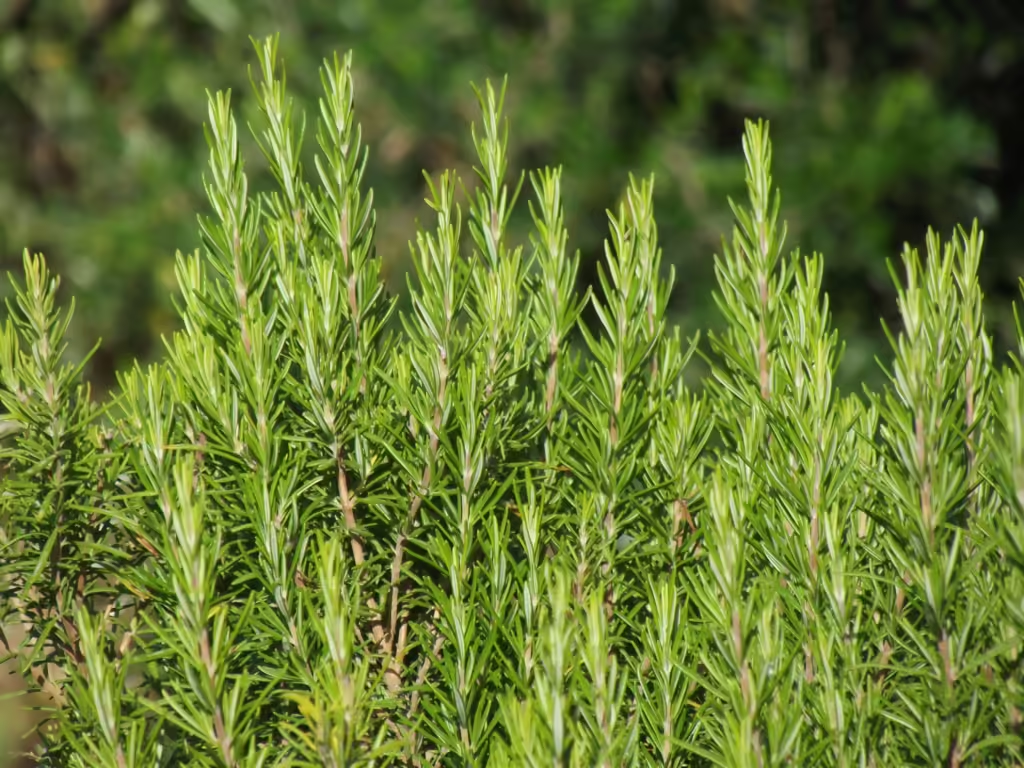
Growing rosemary in your garden can be a rewarding experience. This aromatic herb, with its needle-like leaves and distinct fragrance, not only adds flavor to various dishes but also enhances the visual appeal of your garden. To successfully cultivate rosemary, it is essential to understand its requirements, from preparing the soil to overwintering the plant. This post will take you through every step of the process.
Plant Rosemary By Your Garden Gate
Planting rosemary at your garden gate can serve both practical and symbolic purposes. As a hardy, aromatic herb, rosemary not only adds a touch of greenery and a pleasant fragrance to your entrance but also holds a rich history of symbolism. Traditionally, rosemary has been associated with remembrance, protection, and hospitality, making it a thoughtful choice for a welcoming garden gate.
Best Soil Type for Rosemary
Before planting rosemary, start by selecting the right location in your garden. Rosemary thrives in well-drained soil with a pH level between 6.0 and 7.5. If your garden soil is heavy or clay-like, consider improving its texture by adding organic matter such as compost or sand. This will enhance drainage, which is crucial for rosemary’s health. To further ensure good drainage, you might want to plant rosemary in raised beds or containers, especially if your garden tends to retain water.
Next, make sure the soil is loose and free of weeds. Rosemary does not compete well with weeds, so eliminating them before planting will give your herb the best chance to establish itself. Additionally, consider working in a balanced, slow-release fertilizer into the soil before planting. This will provide your rosemary with the nutrients it needs to grow strong and healthy.
Light Requirements
Rosemary thrives in full sunlight, requiring at least six to eight hours of direct sunlight each day. When selecting a spot in your garden, choose an area that receives plenty of sun throughout the day. If you live in a region with extremely hot summers, some afternoon shade might benefit the plant, but generally, rosemary prefers bright and sunny conditions.
Water Needs
While rosemary is relatively drought-tolerant, it is important to water it properly, especially during the first growing season when the plant is establishing its roots. Water the plant deeply and allow the soil to dry out before watering again. This will encourage deep root growth and prevent the plant from becoming waterlogged, which can lead to root rot.
In established plants, you can reduce the frequency of watering, especially if the weather is cool or humid. However, during hot, dry spells, keep an eye on your rosemary and water it when the soil feels dry to the touch. Remember that overwatering is more dangerous than underwatering, as rosemary prefers slightly dry conditions.
Fertilizer your Rosemary
Rosemary is not a heavy feeder, but it does benefit from occasional feeding, especially during the growing season. Use a balanced, water-soluble fertilizer every four to six weeks to promote healthy growth. Alternatively, you can apply a slow-release granular fertilizer in the spring, which will provide nutrients throughout the growing season.
Avoid over-fertilizing, as this can lead to excessive foliage growth at the expense of essential oils, which give rosemary its flavor and aroma. If you prefer organic options, compost or well-rotted manure can be applied as a top dressing in the spring.
Pest Control
One of the advantages of growing rosemary is its natural resistance to many pests and diseases. However, you may still encounter problems such as aphids, spider mites, or powdery mildew. To prevent these issues, ensure your rosemary plants have good air circulation, as crowded or overly moist conditions can lead to pest infestations.
If you notice pests, treat them with a solution of insecticidal soap or neem oil. Regularly inspect your plants for signs of trouble, and remove any affected leaves or stems to prevent the spread of disease. Maintaining healthy plants with proper watering and sunlight will also make them less susceptible to pests.
Pruning
Regular pruning is essential to keep your rosemary plant healthy and to encourage bushier growth. In the spring, prune back any dead or damaged branches to stimulate new growth. Throughout the growing season, you can also trim the tips of the branches to shape the plant and promote a fuller appearance.
When pruning, avoid cutting into the woody stems, as this can damage the plant. Instead, focus on the softer, green parts of the plant. Additionally, harvesting rosemary regularly by cutting sprigs for cooking will naturally keep the plant pruned and healthy.
Propagating Rosemary
Rosemary can be easily propagated from cuttings, which is a cost-effective way to grow new plants. In the spring or early summer, take a cutting from a healthy rosemary plant, making sure it is about 4 to 6 inches long. Strip the leaves from the lower half of the cutting and dip the cut end in rooting hormone to encourage root development.
Plant the cutting in a small pot filled with a well-draining potting mix, and water it lightly. Keep the pot in a warm, bright location, but out of direct sunlight. Within a few weeks, roots should begin to develop, and you can then transplant the new rosemary plant into your garden or a larger container.
Overwintering Your Rosemary
If you live in a region where winters are cold, you will need to take steps to protect your rosemary plant during the winter months. Rosemary is hardy to about 20°F (-6°C), but prolonged exposure to cold temperatures can damage or kill the plant. If your area experiences harsh winters, consider growing rosemary in containers so you can bring it indoors when temperatures drop.
Before the first frost, move the container to a cool, bright location indoors. Water the plant sparingly during the winter, as rosemary’s growth slows down, and it does not require as much moisture. If you leave rosemary in the garden, protect it by covering the plant with a frost cloth or burlap, and mulch around the base to insulate the roots.
Happy Gardening
By following these steps, you can successfully grow rosemary in your garden, ensuring it thrives throughout the year. With proper care, this versatile herb will not only enhance your culinary creations but also bring beauty and fragrance to your garden.
Please be sure to check out my Gardening Blog Post Page for more tips on all types of gardening. Including Seed Starting, Orchids, Water Gardening, Coldframe Gardening, Indoor Bulb Gardening, Hydroponics, Container Gardening, Mums, Herbs, African Violets, planting Bulbs, Flower Gardening, Vegetable and Fruit Gardening, Indoor Houseplants of all kinds, Cactus, Succulents, Hanging plants, Deer resistant plants and even Bird, Bee, Butterfly and Hummingbird Gardens!
