
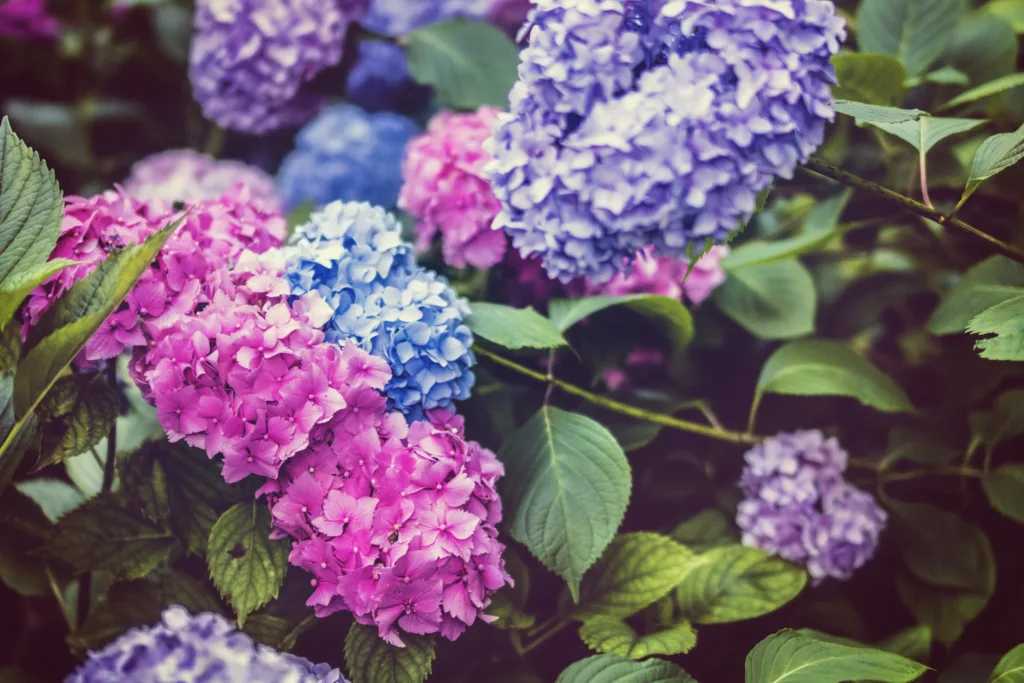
Propagating hydrangeas in water is a simple and rewarding way to expand your garden. With their stunning blooms and lush foliage, hydrangeas can enhance any landscape. This post will walk you through the entire process, from taking cuttings to caring for your new plants once they’re established.
Taking the Perfect Cutting
To start, select a healthy hydrangea plant from which to take cuttings. Choose a branch that is new and green, avoiding any woody stems. Using sharp, clean scissors, cut a piece about 4-6 inches long, making sure it has at least two leaf nodes (the spots where leaves grow). Remove the lower leaves to expose the nodes, as these are where the roots will develop.
Rooting in Water
Next, place the cutting in a glass or jar filled with water. Ensure that the exposed nodes are submerged, but the remaining leaves are above water to prevent rot. It’s important to use room-temperature, chlorine-free water. To achieve this, let tap water sit out for 24 hours before use.
Changing the Water
For successful rooting, change the water every few days. This prevents bacterial growth and keeps the water oxygenated. Make it a routine to check the water level and top it off as needed, ensuring that the nodes remain submerged.
Watching the Roots Grow
Be patient as roots develop, which usually takes 2-3 weeks. Look for roots that are about 1-2 inches long before considering transplantation. Healthy roots will appear white and robust, signaling that your cutting is ready to move to soil.
Transplanting into Soil
Once the roots are long enough, it’s time to transplant the cutting into soil. Choose a well-draining potting mix, ideally one designed for acid-loving plants like hydrangeas. A mixture of peat moss, pine bark, and perlite works well.
Planting Technique
Carefully remove the cutting from the water and plant it in a small pot filled with the prepared soil mix. Ensure the roots are covered and the cutting is secure. Water the soil gently to help settle it around the roots.
Caring for Your New Hydrangea
After transplanting, place the pot in a location that receives bright, indirect sunlight. Keep the soil consistently moist but not soggy. As the plant establishes, you can gradually expose it to more direct sunlight.
Transitioning to the Garden
Once your hydrangea has grown stronger and developed a solid root system, you can plant it in your garden. Choose a spot with morning sun and afternoon shade, as hydrangeas thrive in such conditions.
Soil Requirements
Hydrangeas prefer well-draining soil rich in organic matter. Before planting, amend the garden soil with compost or well-rotted manure to boost fertility. This ensures your hydrangea receives the nutrients it needs to flourish.
Long-Term Care
To maintain healthy hydrangeas, follow a regular watering schedule. Keep the soil evenly moist, especially during dry spells. Applying mulch around the base of the plant helps retain moisture and regulate soil temperature.
Fertilization
Feed your hydrangeas with a balanced fertilizer in early spring and again in summer. This encourages lush growth and vibrant blooms. Avoid over-fertilizing, as this can lead to excessive leaf growth at the expense of flowers.
Pruning
Pruning is essential for hydrangeas to promote growth and maintain shape. Remove dead or damaged stems in late winter or early spring. For certain hydrangea varieties, cutting back spent blooms can encourage new flowers.
Happy Hydrangea Gardening
Propagating hydrangeas in water is a rewarding process that allows you to expand your garden with minimal effort. By following these steps, from taking the right cutting to caring for the plant in your garden, you can enjoy the beauty of hydrangeas for years to come. Remember to keep a close eye on watering and light conditions to ensure your new plants thrive. With patience and care, your hydrangeas will become a stunning focal point in your garden.
Please be sure to check out my Gardening Blog Post Page for more tips on all types of gardening. Including Seed Starting, Orchids, Water Gardening, Coldframe Gardening, Indoor Bulb Gardening, Hydroponics, Container Gardening, Mums, Herbs, African Violets, planting Bulbs, Flower Gardening, Vegetable and Fruit Gardening, Indoor Houseplants of all kinds, Cactus, Succulents, Hanging plants, Deer resistant plants and even Bird, Bee, Butterfly and Hummingbird Gardens!