
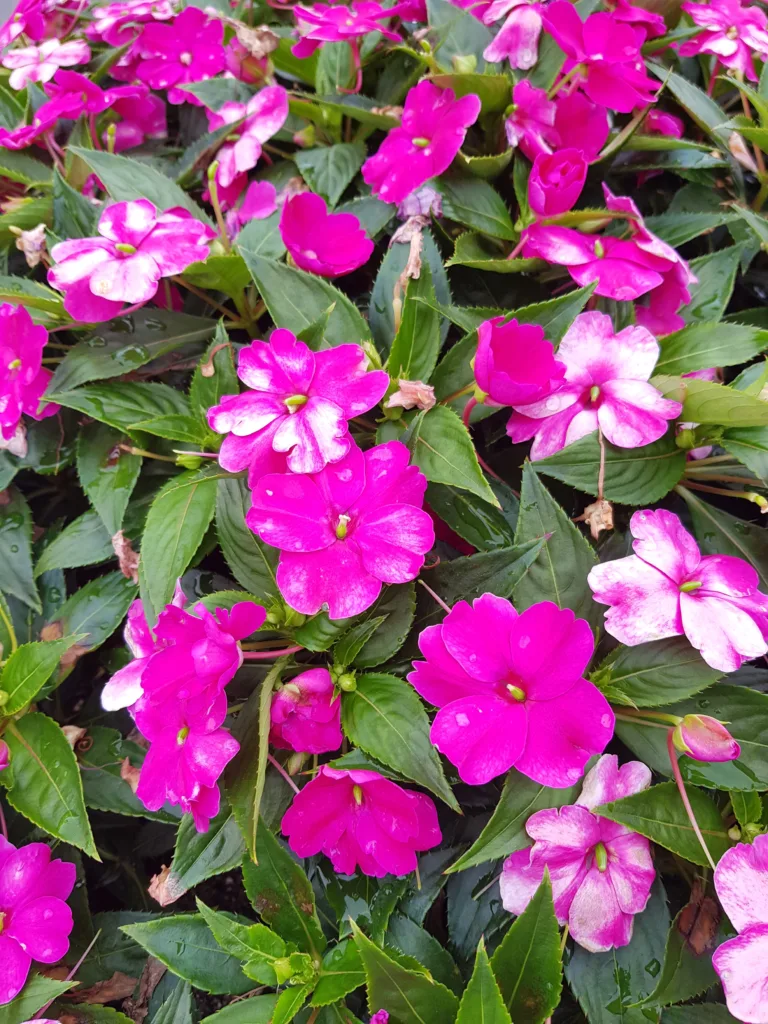
Impatiens are one of the most beloved annual flowers, cherished for their bright colors and ability to thrive in shady spots. These versatile plants can bring a burst of color to gardens, containers, and hanging baskets. Planting and growing impatiens is straightforward, making them perfect for both novice and experienced gardeners. Here’s a blog post on how do you care for impatiens from soil to propagation.
Choosing the Right Soil
First and foremost, impatiens thrive in well-draining soil. The ideal soil should be rich in organic matter. You can achieve this by adding compost or well-rotted manure to your garden bed. Ensure the soil has a pH level between 6.0 and 6.5, which is slightly acidic to neutral. This pH range allows impatiens to absorb nutrients efficiently. To enhance soil drainage, consider incorporating some sand or perlite, especially if your garden soil tends to be heavy or clay-like.
Light Requirements
Next, consider the light requirements for your impatiens. These plants flourish in partial to full shade. While they can tolerate some morning sunlight, avoid exposing them to harsh afternoon sun, which can scorch their delicate leaves. If you live in a region with hot summers, providing a shaded area will ensure your impatiens stay healthy and vibrant. If you’re growing impatiens indoors or in containers, place them in a spot that receives filtered light or indirect sunlight.
Watering Needs
Watering is crucial for impatiens, as they prefer consistently moist soil. However, avoid waterlogging, which can lead to root rot. Water your impatiens regularly, especially during dry spells, ensuring the soil remains damp but not soggy. Early morning watering is ideal, as it allows the plants to absorb moisture before the day’s heat. Additionally, mulching around your impatiens can help retain soil moisture and reduce the frequency of watering.
Fertilization
Fertilizing your impatiens will promote healthy growth and abundant blooms. Start by incorporating a balanced, slow-release fertilizer into the soil at the time of planting. Throughout the growing season, feed your impatiens every two to four weeks with a water-soluble fertilizer. Choose a fertilizer with equal parts nitrogen, phosphorus, and potassium (e.g., 10-10-10) to ensure balanced nutrition. Be cautious not to over-fertilize, as this can lead to lush foliage at the expense of flowers.
Pest Control
Pests can pose a threat to your impatiens, but with proper care, you can keep them at bay. Common pests include aphids, spider mites, and whiteflies. Regularly inspect your plants for signs of infestation, such as discolored or deformed leaves. If you notice pests, treat your impatiens with insecticidal soap or neem oil. Additionally, maintaining good garden hygiene by removing debris and dead leaves can help prevent pest infestations.
No Need to Deadhead
One of the many advantages of growing impatiens is that they do not require deadheading. Deadheading is the process of removing spent flowers to encourage new blooms. Fortunately, impatiens naturally drop their spent flowers, continuously producing new ones. This low-maintenance feature makes impatiens an excellent choice for gardeners looking to add beauty to their gardens without constant upkeep.
Propagation
Lastly, propagating impatiens is simple and rewarding. You can propagate impatiens from seeds or cuttings. To propagate from seeds, start them indoors about eight to ten weeks before the last frost date. Use a seed-starting mix and keep the soil consistently moist. Once the seedlings have two sets of true leaves, transplant them into individual pots or directly into the garden.
For propagation through cuttings, select healthy, non-flowering stems. Cut a 4-6 inch section just below a node, remove the lower leaves, and place the cutting in a glass of water or moist potting soil. If using water, change it every few days to prevent stagnation. Within a few weeks, roots should develop. Once the roots are about an inch long, transplant the cuttings into pots or the garden.
Happy Gardening
In conclusion, impatiens are an excellent choice for adding color and charm to shaded areas of your garden. By providing well-draining soil, the right amount of light, consistent watering, and balanced fertilization, you can enjoy a lush display of these vibrant flowers. Regular pest control and taking advantage of their natural self-cleaning feature further simplify their care. Whether you’re planting from seeds or cuttings, impatiens are easy to propagate and grow. Follow these guidelines, and your impatiens will thrive, bringing beauty and joy to your outdoor spaces.
Please be sure to check out my Gardening Blog Post Page for more tips on all types of gardening. Including Seed Starting, Orchids, Water Gardening, Coldframe Gardening, Indoor Bulb Gardening, Hydroponics, Container Gardening, Mums, Herbs, African Violets, planting Bulbs, Flower Gardening, Vegetable and Fruit Gardening, Indoor Houseplants of all kinds, Cactus, Succulents, Hanging plants, Deer resistant plants and even Bird, Bee, Butterfly and Hummingbird Gardens!