
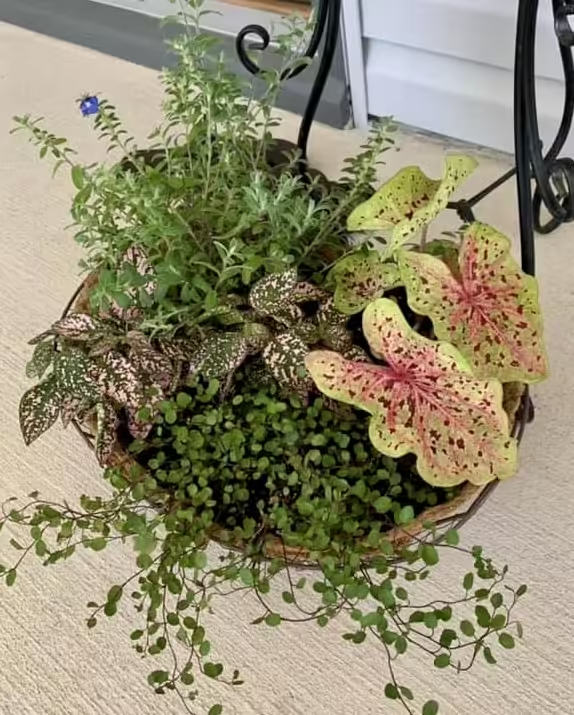
Polka dot plants, known for their distinctive spotted leaves, are a favorite among indoor plant enthusiasts and gardeners. Their vibrant foliage, which comes in various shades of pink, red, and white, adds a splash of color to any space. To successfully grow and maintain a healthy polka dot plant, it’s essential to understand its specific care requirements, including soil type, light needs, watering, fertilizing, pest control, pruning, and propagation. Here’s a detailed guide on how to care for your polka dot plant.
Soil Type
These plants thrive in well-drained, fertile soil that is rich in organic matter. A high-quality potting mix containing peat moss, perlite, and compost is ideal for container planting. If you’re planting your polka dot plant in the garden, amend the soil with compost or well-rotted manure to improve its texture and fertility. This will ensure good drainage and prevent root rot, which can be a common issue for polka dot plants.
Light Requirements
Next, understanding the light requirements is vital for your polka dot plant’s growth and vibrant coloration. These plants prefer bright, indirect light. Placing them near a north or east-facing window is ideal. Direct sunlight can scorch their delicate leaves, causing the colors to fade. On the other hand, insufficient light can lead to leggy growth and dull foliage. If you notice your plant stretching towards the light, consider moving it to a brighter location or supplementing with artificial light.
Water Needs
Watering your polka dot plant correctly is another critical aspect of its care. These plants prefer consistently moist soil but do not like to sit in waterlogged conditions. Water your polka dot plant when the top inch of soil feels dry. In hot weather, you may need to water more frequently, while in cooler conditions, watering every few days might be sufficient. Always check the soil moisture before watering to avoid overwatering, which can lead to root rot. Using a well-draining pot with drainage holes will also help prevent waterlogged soil.
Fertilizer
In addition to proper watering, feeding your polka dot plant with the right fertilizer will promote healthy growth and vibrant foliage. Use a balanced, water-soluble fertilizer every two to four weeks during the growing season, from spring to early fall. A fertilizer with equal parts nitrogen, phosphorus, and potassium (such as a 10-10-10 or 20-20-20 mix) works well. This provides the necessary nutrients for lush, colorful leaves. Be careful not to over-fertilize, as this can lead to salt buildup in the soil, which can harm the plant.
Pest Control
Pest control is another aspect of polka dot plant care that you should not overlook. Common pests that affect polka dot plants include aphids, spider mites, and whiteflies. Regularly inspect your plants for signs of infestation, such as discolored leaves, webbing, or tiny insects. If you notice any pests, treat them promptly with insecticidal soap or neem oil. Additionally, keeping your plants healthy and stress-free will make them less susceptible to pest problems. Ensuring proper air circulation around the plant can also help prevent pest infestations.
Pruning
Pruning is an essential part of maintaining a healthy and attractive polka dot plant. Regular pruning helps keep the plant compact and encourages bushier growth. Pinch back the tips of young shoots throughout the growing season to promote branching and more vibrant foliage. If your polka dot plant becomes leggy, you can cut back the stems by about one-third to encourage new growth. Always use sharp, clean pruning shears to make clean cuts and prevent the spread of disease.
Propagating
Propagating polka dot plants is a rewarding way to multiply your plants and share them with friends. The most common method is by taking stem cuttings. In late spring or early summer, select a healthy, non-flowering shoot and cut a 4-6 inch section just below a leaf node. Remove the lower leaves and dip the cut end in rooting hormone. Plant the cutting in a pot filled with moist potting mix and cover it with a plastic bag to create a humid environment. Place the pot in a bright, indirect light location. In a few weeks, the cutting should develop roots, and you can transplant it to a larger pot or directly into your garden.
Happy Gardening

Caring for a polka dot plant can be a delightful and fulfilling gardening experience. By providing the right soil, light, water, and nutrients, you can enjoy their stunning foliage throughout the growing season. Regular pruning and vigilant pest control will keep your plants healthy and thriving. Moreover, propagating polka dot plants allows you to share their beauty with friends and family or expand your indoor garden.
Please be sure to check out my Gardening Blog Post Page for more tips on all types of gardening. Including Seed Starting, Orchids, Water Gardening, Coldframe Gardening, Indoor Bulb Gardening, Hydroponics, Container Gardening, Mums, Herbs, African Violets, planting Bulbs, Flower Gardening, Vegetable and Fruit Gardening, Indoor Houseplants of all kinds, Cactus, Succulents, Hanging plants, Deer resistant plants and even Bird, Bee, Butterfly and Hummingbird Gardens!