
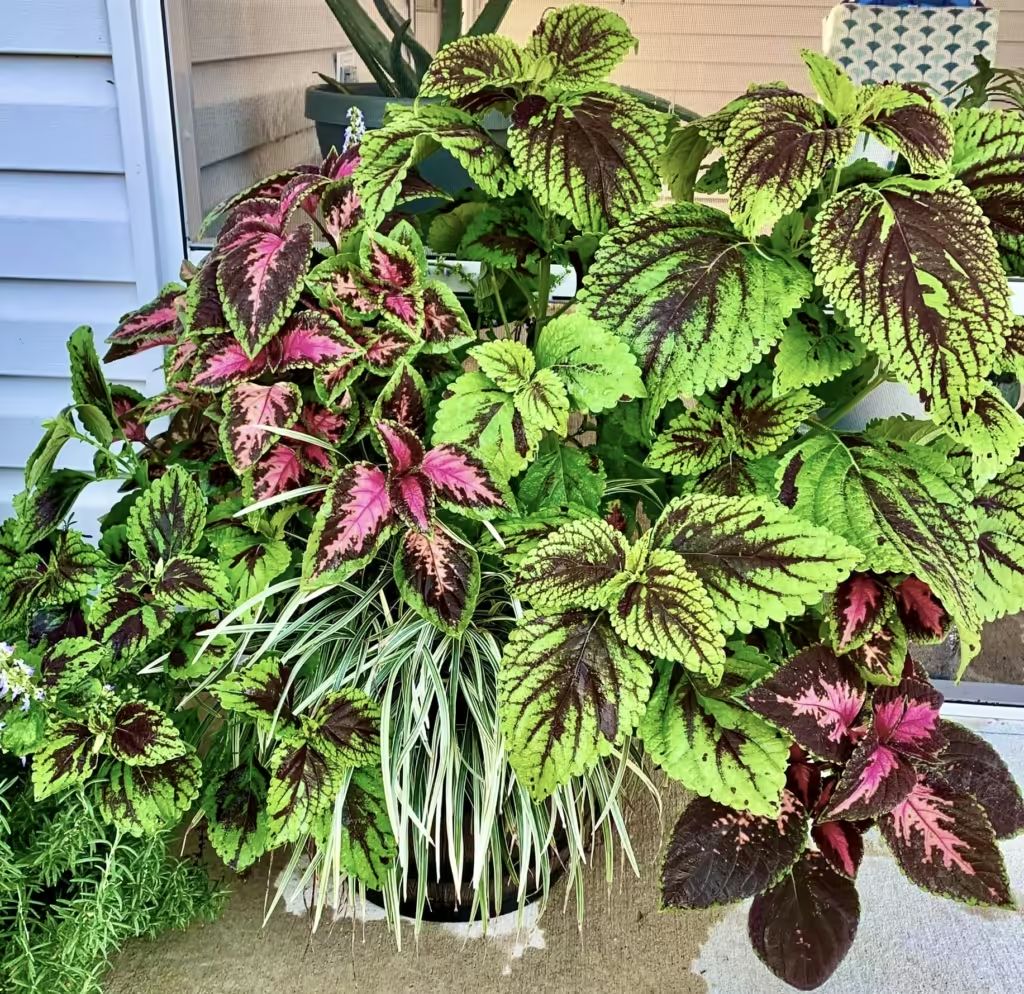
Coleus, known for its vibrant and diverse foliage, is a fantastic addition to any garden or indoor space. Its striking leaves come in a wide range of colors and patterns, making it a popular choice among gardeners. To successfully grow Coleus, it’s essential to understand its specific needs, including soil type, light requirements, water needs, fertilizer, pest control, pruning, and propagation. Here’s a detailed guide on caring for Coleus to have healthy and thriving plants.
Soil Type
First and foremost, selecting the right soil is crucial for Coleus plants. They thrive in well-drained, fertile soil that is rich in organic matter. A good potting mix containing peat moss, perlite, and compost works well for container planting. If you are planting Coleus in the ground, amend your garden soil with compost or well-rotted manure to improve its texture and fertility. This will ensure the soil drains well while retaining enough moisture for the roots. Avoid heavy clay soils, as they can retain too much water and lead to root rot.
Light Requirements
Next, understanding the light requirements of Coleus is key to their growth. These plants are quite versatile when it comes to light. They can grow in full sun to partial shade, depending on the variety. In general, Coleus plants with darker leaves tolerate more sun, while those with lighter or more delicate foliage prefer partial shade. If you live in a hot climate, it’s best to provide afternoon shade to prevent leaf scorching. On the other hand, in cooler climates, Coleus can handle more direct sunlight.
Water Needs
Watering Coleus correctly is another critical factor in their care. These plants prefer consistently moist soil but do not like to sit in waterlogged conditions. Water your Coleus regularly, ensuring the soil stays evenly moist. In hot weather, you may need to water more frequently, while in cooler climates, watering every other day might be sufficient. Always check the soil moisture before watering; if the top inch feels dry, it’s time to water. Be mindful not to overwater, as this can lead to root rot.
Fertilizer
In addition to proper watering, feeding your Coleus with the right fertilizer will promote healthy growth and vibrant foliage. Use a balanced, water-soluble fertilizer every two to four weeks during the growing season, from spring to early fall. A fertilizer with equal parts nitrogen, phosphorus, and potassium (such as a 10-10-10 or 20-20-20 mix) works well. This will provide the necessary nutrients for lush, colorful leaves. Avoid high-nitrogen fertilizers, as they can encourage excessive foliage growth at the expense of leaf color.
Pest Control
Pest control is another aspect of Coleus care that you should not overlook. I have never had a pest problem with any of my Coleus although pests that can affect Coleus plants include aphids, spider mites, and whiteflies. Regularly inspect your plants for signs of infestation, such as discolored leaves, webbing, or tiny insects. If you notice any pests, treat them promptly with insecticidal soap or neem oil. Additionally, keeping your plants healthy and stress-free will make them less susceptible to pest problems.
Pruning
Pruning Coleus plants helps maintain their shape and encourages bushier growth. Regular pruning also improves air circulation, reducing the risk of disease. Pinch off the tips of young shoots throughout the growing season to promote branching and more vibrant foliage. If your Coleus becomes leggy, you can cut back the stems by about one-third to encourage new growth. Always use sharp, clean pruning shears to make clean cuts and prevent disease spread.
Propagating
Propagating Coleus is a rewarding way to multiply your plants. The most common method is by taking stem cuttings. In late spring or early summer, select a healthy, non-flowering shoot and cut a 4-6 inch section just below a leaf node. Remove the lower leaves and dip the cut end in rooting hormone. Plant the cutting in a pot filled with moist potting mix and cover it with a plastic bag to create a humid environment. Place the pot in a bright, indirect light location. In a few weeks, the cutting should develop roots, and you can transplant it to a larger pot or directly into your garden.
I also like to propagate them in water. I prune back multiple stems, remove the lower leaves and put them in a vase of water until roots form. This way I get to enjoy their beautiful colors indoors and once roots are around 2-3 inches I plants them outside in new pots or in my landscaping for a pop of color.
Coleus as a Perennial in Warmer Climates
Coleus plants are considered perennial in USDA hardiness zones 10 and 11. In these zones, they can survive the winter outdoors and return each year with proper care. However, in cooler climates, Coleus is typically grown as an annual or brought indoors to overwinter.
Happy Gardening
Growing Coleus plants can be a delightful and fulfilling gardening experience. By providing the right soil, light, water, and nutrients, you can enjoy their stunning foliage throughout the growing season. Regular pruning and vigilant pest control will keep your plants healthy and thriving. Moreover, propagating Coleus allows you to share their beauty with friends and family or expand your garden. Whether you grow them as perennials in warmer zones or annuals in cooler climates, Coleus plants will add a splash of color and charm to any garden. Follow these guidelines, and you’ll be well on your way to becoming a successful Coleus gardener.
Please be sure to check out my Gardening Blog Post Page for more tips on all types of gardening. Including Seed Starting, Orchids, Water Gardening, Coldframe Gardening, Indoor Bulb Gardening, Hydroponics, Container Gardening, Mums, Herbs, African Violets, planting Bulbs, Flower Gardening, Vegetable and Fruit Gardening, Indoor Houseplants of all kinds, Cactus, Succulents, Hanging plants, Deer resistant plants and even Bird, Bee, Butterfly and Hummingbird Gardens!
