
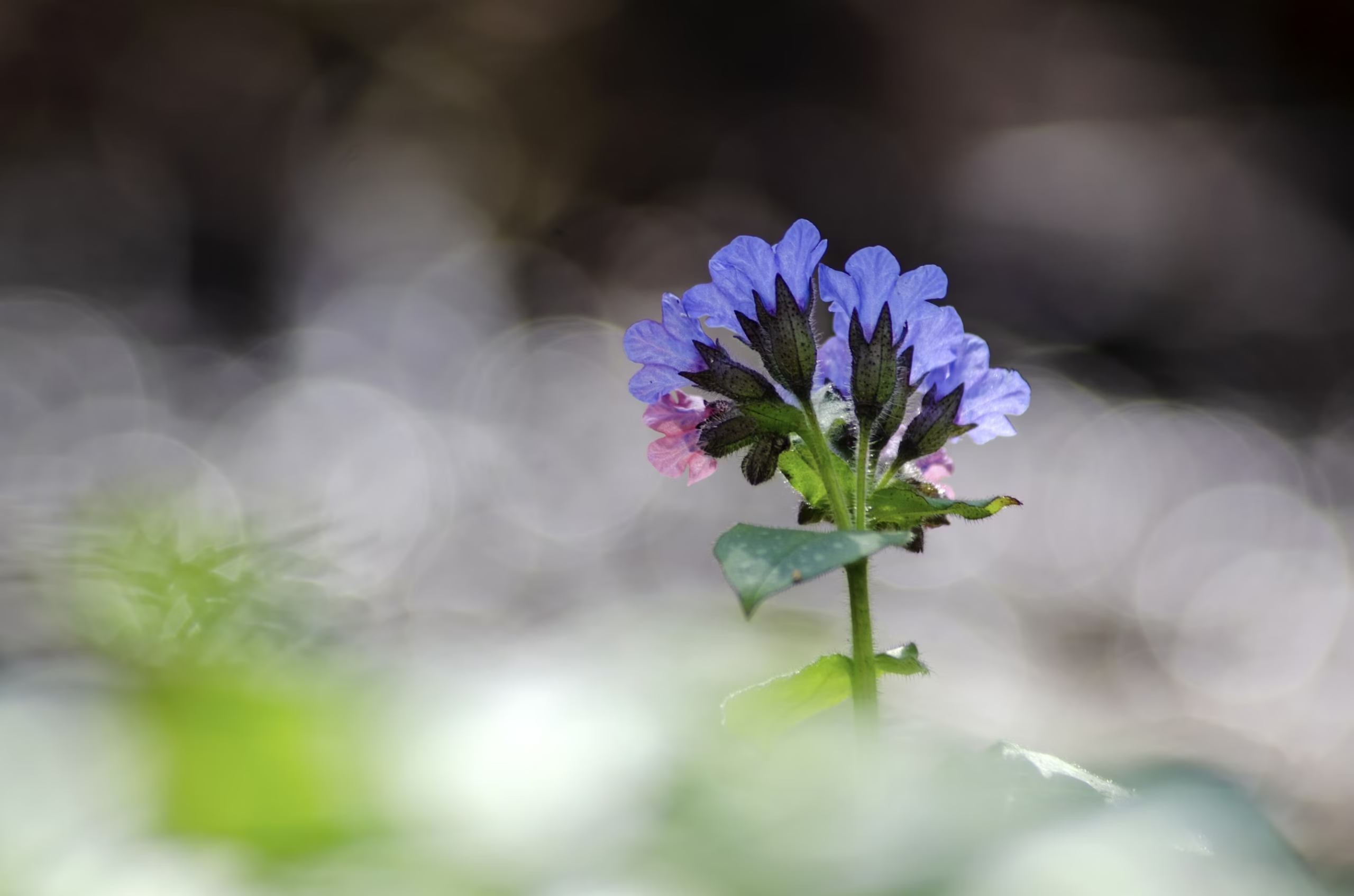
One of the most charming and beneficial plants you can introduce to your garden is lungwort (Pulmonaria), an elegant perennial known for its speckled leaves and early-spring flowers. This post walks through the steps of how to grow lungwort, from soil prep all the way through overwintering. Its foliage, often green with silver or white spots, is a sight to behold. Even without the addition of its flowers, which range from pink and blue to purple, lungwort’s leaves are captivating and can add a splash of color to any shady garden corner.
Light Requirements
Lungwort thrives best in partially shaded areas, although it can tolerate spots with more shade than sun. The ideal location offers morning sunlight and afternoon shade, protecting the plant from the harsh afternoon rays which can scorch its delicate leaves. In too much shade, however, lungwort may produce fewer flowers and have less vibrant foliage. When planning where to place lungwort in your garden, aim for balance, seeking spots that mimic the dappled sunlight of its natural woodland habitats.
Soil Prep
For lungwort to flourish, preparing the right soil environment is crucial. This plant prefers moist, well-draining soil rich in organic matter. You can enhance your garden soil by mixing in compost or well-rotted manure, which will not only improve soil structure and drainage but also provide essential nutrients. Lungwort’s tolerance for various soil types is high, yet it thrives best in slightly acidic to neutral pH levels. If your garden soil is too clayey or sandy, amending it with organic matter will help achieve the desired texture and fertility. Before planting, ensure the soil is loose and aerated to encourage healthy root development.
How to Plant Lungwort
Once you have prepared the ideal soil and chosen the perfect spot with the right balance of light, planting lungwort is the next step. Begin by digging a hole that’s slightly larger than the root ball of your lungwort plant. This ensures that the roots have enough space to spread out and take hold. When placing the plant in the hole, make sure the top of the root ball is level with the surrounding soil to prevent waterlogging or exposure. Fill in the hole with the amended soil, gently tamping down to eliminate any air pockets. Water the plant thoroughly after planting to settle the soil around the roots and provide necessary hydration for growth. For best results, space multiple lungwort plants about 12 to 18 inches apart, allowing enough room for them to grow and fill in the area without overcrowding.
Water and Fertilizer
Watering and fertilizing lungwort correctly is key to ensuring its health and vibrant display. Lungwort prefers consistently moist soil but does not fare well in overly wet conditions. Aim to water the plant deeply once a week, allowing the soil to slightly dry out between watering sessions to prevent root rot. During hotter, drier periods, you may need to water more frequently to maintain soil moisture levels.
For fertilizer, lungwort benefits from a light application of a balanced, slow-release fertilizer in early spring as new growth appears. This early boost helps promote vigorous growth and abundant flowering. However, be cautious not to over-fertilize, as too much can lead to excessive leaf growth at the expense of flowers and can also increase the susceptibility to disease. An additional layer of compost spread around the plants in the fall will help to replenish nutrients and improve soil health, supporting lungwort’s growth for the following season.
When and How to Divide
Dividing lungwort plants is an excellent way to maintain their health, control their spread, and increase the number of plants in your garden. The best time to divide lungwort is in early fall or spring, after the plant has finished flowering but before the full heat of summer or the cold of winter sets in. This timing gives the divided plants enough time to establish their roots in their new location before they face the stress of extreme weather conditions.
To divide lungwort, start by watering the plant thoroughly a day before you plan to split it; this will help ensure the soil is moist and make it easier to remove the plant from the ground. Using a clean, sharp shovel or garden knife, dig around the perimeter of the plant, taking care to cause as little damage as possible to the root ball. Gently lift the plant from the ground and shake off any loose soil.
Once you have the lungwort out of the ground, inspect the root ball. You’ll notice natural divisions or sections where the plant can be split. Using your hands or the garden knife, carefully separate the plant into smaller sections, ensuring that each new segment has a good amount of roots and foliage attached.
After dividing, plant the lungwort segments immediately at the same soil depth they were growing at before. Choose locations that meet the light and soil requirements as previously described, and water each new plant thoroughly to help establish it in its new spot. Mulching around the base of each plant can also help retain soil moisture and reduce competition from weeds.
Overwintering
Successfully overwintering lungwort is essential for its survival and continued health through the colder months. This resilient plant typically withstands winter well, but taking a few additional steps can ensure it emerges in spring vibrant and strong. First, as the weather begins to cool in late fall, it’s advisable to add a layer of mulch around the base of the plant. This layer, ideally about 2-3 inches thick, acts as insulation, protecting the roots from freezing temperatures and helping to maintain consistent soil moisture levels throughout the winter. Organic materials such as shredded leaves, straw, or pine bark are excellent choices for mulch, offering the added benefit of enriching the soil as they decompose.
Another important step is to avoid pruning lungwort heavily before winter. While it might be tempting to tidy up the garden by cutting back foliage, leaving the plant’s leaves in place can provide additional protection against cold weather. Any dead or diseased foliage, however, should be removed to prevent the spread of fungal diseases during the damp winter months. Once the danger of frost has passed in early spring, you can then trim away any damaged or dead parts, allowing new growth to come in unhindered.
By following these overwintering practices, you’re helping to ensure that your lungwort plants remain a beautiful and enduring part of your garden landscape, ready to greet the spring with a flourish of vibrant leaves and blossoms.
Happy Gardening!
Caring for lungwort plants is a rewarding endeavor, offering visual delight with their unique blooms and foliage throughout the seasons. By following the comprehensive care tips outlined—from soil preparation and planting to watering, fertilizing, dividing, and overwintering—you can ensure the health and vigor of your lungwort plants. These resilient perennials demand little but give much in return, brightening shaded corners of the garden with their colorful presence. With a bit of attention and care, lungwort will not only thrive in your garden but also become a cherished part of your outdoor sanctuary, returning year after year with graceful blooms and foliage.
Please be sure to check out my Gardening Blog Post Page for more tips on all types of gardening. Including Seed Starting, Orchids, Water Gardening, Coldframe Gardening, Indoor Bulb Gardening, Hydroponics, Container Gardening, Mums, Herbs, African Violets, planting Bulbs, Flower Gardening, Vegetable and Fruit Gardening, Indoor Houseplants of all kinds, Cactus, Succulents, Hanging plants, Deer resistant plants and even Bird, Bee, Butterfly and Hummingbird Gardens!