
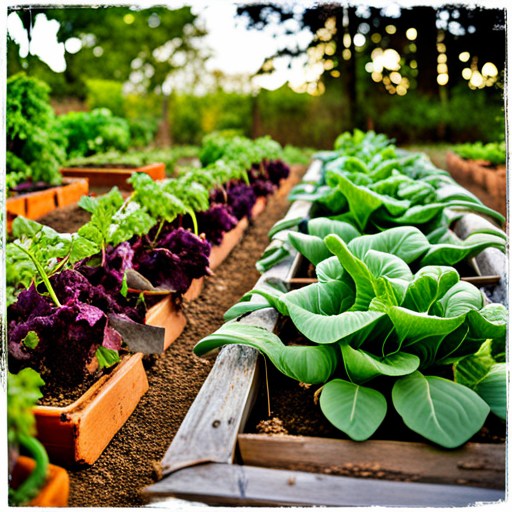
Are you itching to get your hands dirty and start planting in your garden after a long, dreary winter? Living in Zone 3-4 can make gardening quite a challenge, but fear not! With the right planning and preparation, you too can have a thriving spring garden. I have learned plenty of tips and tricks along the way that I am excited to share with you. Hope you enjoy this post on planting a spring garden in zone 3-4 and best Vegetables to plant and grow.
Gardening Zone 3-4
Gardening zones, also known as hardiness zones, are defined by the USDA. And help gardeners understand which plants are most likely to thrive in their location. In the United States, zones 3-4 encompass some of the country’s coldest regions. Zone 3 includes parts of states like North Dakota, Minnesota, Montana, northern New England, and Alaska. Where the winter temperatures can plummet as low as -40 to -30°F. Zone 4 is slightly warmer, including parts of northern and central states like Maine, New Hampshire, Vermont, upstate New York, Wisconsin, Iowa, and Nebraska. With winter temperatures ranging from -30 to -20°F. Gardeners in these zones must select plants carefully to ensure they can withstand the chilly conditions.
Best Time to Plant Spring Garden in Zones 3-4
The ideal time to plant your spring garden in Zones 3-4 is after the danger of the last frost has passed. This is typically around late April to early May. To ensure a successful garden, keep an eye on local weather forecasts and consult the Farmer’s Almanac for frost dates. It is also beneficial to start some seeds indoors up to 8 weeks before the anticipated last frost date. This head start allows seedlings to develop enough to withstand the outdoor conditions once they are transplanted into your garden. Just click here to go to my vegetable gardening post page for multiple post on seed starting!
Top Ten Vegetables for Spring Garden in Zone 3-4
When selecting vegetables for your Zone 3-4 garden, focus on cold-hardy varieties that can tolerate the cooler temperatures of early spring. Here are the top ten vegetables that are well-suited for spring planting in zone 3-4.
Peas and Radishes
Peas are a stellar choice for an early spring crop in Zones 3-4. They thrive in cooler temperatures. And their seeds can be sown directly into the soil as soon as it’s soft enough to work with. Peas are also relatively low-maintenance. They require trellising to climb but provide the added benefit of improving the soil quality with nitrogen fixation, a process where they convert atmospheric nitrogen into a form that can be used by plants. Click here for more in depth post on Peas.
Radishes are the unsung heroes of the early spring garden. Quick to germinate and mature. Are usually ready to harvest within just a few weeks of planting, they are ideal for the impatient gardener. Radishes can tolerate frost and need very little space, making them perfect for intercropping between slower-growing plants. They add a peppery punch to salads and make for a crisp, colorful garnish. Regular harvesting is key, as radishes can become woody if left in the ground too long. So, for those seeking an almost-instant gratification from their garden, radishes are a must-have crop. Click here for more in depth post on Radishes.
Spinach and Kale
Spinach stands out as another excellent choice for a Zone 3-4 spring garden. Hardy and quick to mature, spinach can be planted as soon as the soil can be worked. It grows best in full sun but can still flourish in partial shade, which allows for flexibility in garden planning. Not only is spinach a nutrient-dense leafy green. It’s also very versatile in the kitchen, making it a favorite among gardeners and cooks alike. Remember to use successive plantings every couple of weeks to maintain a continuous harvest throughout the growing season. Click here for more in depth post on Spinach.
Kale, a hardy vegetable known for its health benefits, is an excellent addition to your Zone 3-4 spring garden. This nutrient powerhouse can be sown directly into the ground in early spring. As it can withstand frost and even tastes sweeter after a light frost. Kale plants are robust and grow well in full sunlight to partial shade. Though they tend to produce the most vibrant leaves in cooler temperatures. They are also versatile in culinary uses, from fresh salads to sautéed sides. This is why kale has become a staple for health-conscious gardeners. To extend the harvest, pick the outer leaves as needed. This will allow the center of the plant to continue producing new growth. Click here for more in depth post on Kale.
Lettuce and Swiss Chard
Lettuce is another must-have for your Zone 3-4 garden, renowned for its fast growth and the freshness it brings to spring salads. Varieties like Romaine, Butterhead, and Leaf Lettuce are especially suitable for colder climates and can be sown directly into the ground as soon as the soil can be worked. Lettuce thrives in cooler temperatures, preferring the milder conditions of early spring and late fall. It’s easy to grow and makes for a perfect crop to sow in succession, ensuring a continuous harvest. Lettuce is prone to bolting in hot weather. Enjoying its harvest early in the spring allows you to make the most of its flavorful leaves before the summer heat sets in. Click here for more in depth post on Lettuce.
Swiss Chard is a vibrant and resilient addition to any Zone 3-4 spring garden, offering both ornamental and culinary value. Recognized for its bright-colored stems and large, dark green leaves. Swiss chard can be planted early in the season as it tolerates light frost well. This leafy vegetable is not only nutrient-rich but also highly versatile in the kitchen — young leaves can be eaten raw in salads, while mature leaves are delicious sautéed or added to soups. For a continuous supply, cut the outer leaves when harvesting, and the plant will keep producing new ones into the fall. Swiss chard pairs well with a variety of garden companions, but take care to provide ample space for its broad leaves to expand and soak up the sun. Click here for more in depth post on Swiss Chard.
Carrots and Beets
Carrots are a quintessential spring garden vegetable that flourish in Zones 3-4, beloved for their sweet flavor and crunch. These root vegetables prefer loose, sandy soil that allows for deep growth without obstruction. Sow carrot seeds directly into the ground, sparingly, as they can be difficult to thin out later. They do best in full sun but can tolerate partial shade. Carrots have a longer maturity time compared to some other vegetables on this list, so practicing patience is key.
Thin the seedlings once they’ve sprouted to ensure proper growth and avoid overcrowding. Not only are carrots a healthy addition to any meal as a raw snack or cooked side dish, but their feathery green tops can also add aesthetic appeal to your spring garden. Remember to keep the soil consistently moist, especially during the germination period, and you’ll have a bountiful harvest to enjoy. Click here for more in depth post on Carrots.
Beets are a colorful and nutritious choice for gardeners in Zones 3-4, boasting a unique, earthy flavor that’s a wonderful addition to an array of dishes. They are cold-tolerant, making them suitable for early spring planting—simply direct sow beet seeds into well-drained soil with full sun to partial shade exposure. Beets do require space to grow, so thin them early to avoid crowding and enable the roots to develop fully.
One of the great things about beets is that they’re a dual-purpose crop; the greens are edible and can be harvested for salads or sautéing, offering a tangy, slightly bitter taste that complements the sweetness of the roots. Regular watering will help beets maintain their tenderness and prevent the roots from becoming woody. They also work well in a crop rotation plan since they help break disease cycles and improve soil health. Click here for more in depth post on Beets.
Onions and Broccoli
Onions are a cornerstone of many culinary endeavors and are equally at home in the Zone 3-4 spring garden. This staple crop can be started from seeds, sets, or transplants as soon as the ground is workable. Onions prefer a well-drained soil rich in organic matter and a sunny spot in the garden but will still perform in partial shade. They are a bit slower to mature than some of the aforementioned crops but are worth the wait for their flavor and versatility in the kitchen.
To grow onions successfully, ensure even soil moisture and be mindful of spacing – giving each plant enough room is crucial for the development of healthy bulbs. In addition, onions can deter certain garden pests, making them excellent companions for many other vegetables. Harvesting can begin when the tops start to fall over and yellow, signaling that the bulbs have reached their full size and flavor intensity. Click here for more in depth post on Onions.
Broccoli is another stellar choice for Zone 3-4 gardeners looking to add both nutrition and structure to their spring gardens. This cool-weather crop thrives in full sun and rich, well-drained soil with a slightly acidic to neutral pH. Broccoli can be started indoors and transplanted or sown directly into the garden as soon as the frost risk has passed. Providing consistent moisture and nutrients, particularly nitrogen, will promote healthy, bushy growth. Harvest broccoli when the heads are firm and tight, before the flowers start to bloom, for the best taste and texture. Cut the central head with a sharp knife, which encourages side shoots to form and extend your broccoli harvest season. Broccoli also offers the benefit of high levels of vitamins C and K, making it a worthwhile addition to any health-conscious garden. Click here for more in depth post on Broccoli.
Happy Gardening!
While gardening in Zone 3-4 can be challenging, it is definitely not impossible. By preparing your soil, choosing hardy plants, protecting from frost, watering correctly, and maintaining your garden, you can have a successful spring garden filled with beauty and bounty. Remember to take things one step at a time and give your plants the love and attention they deserve.
Please be sure to check out my Gardening Blog Post Page for more tips on all types of gardening. Including Seed Starting, Orchids, Water Gardening, Coldframe Gardening, Indoor Bulb Gardening, Hydroponics, Container Gardening, Mums, Herbs, African Violets, planting Bulbs, Flower Gardening, Vegetable and Fruit Gardening, Indoor Houseplants of all kinds, Cactus, Succulents, Hanging plants, Deer resistant plants and even Bird, Bee, Butterfly and Hummingbird Gardens!