
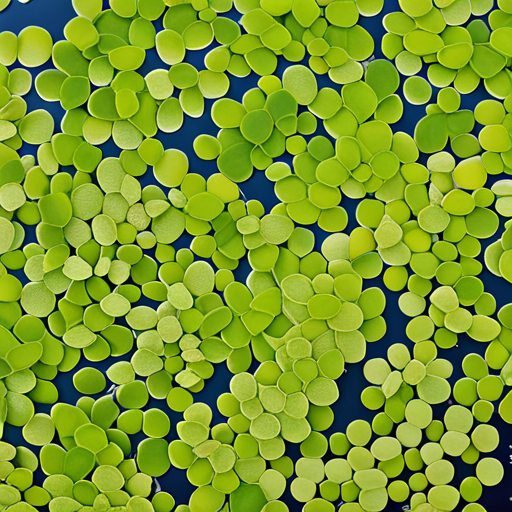
If you’re looking for an easy and effective way to get rid of excess nutrients in your koi pond while also providing a natural food source for your fish, may I introduce you to duckweed? This tiny floating aquatic plant can cover the surface of your pond and help reduce algae growth. While also providing a nutritious snack for your koi. In this blog post, I will cover how to take care of duckweed in your pond.
Getting Started with Duckweed
If you’re ready to explore the benefits of duckweed in your koi pond, the first step is acquiring some. Duckweed is readily available from a variety of sources. Many local garden centers and fish stores carry duckweed due to its popularity amongst pond owners. If it’s not available locally, don’t worry, numerous reputable online retailers also offer duckweed for sale-like here on Amazon. Remember, when introducing duckweed to your pond, start with a small portion as it can proliferate rapidly under suitable conditions.
Introducing and Caring for Your Duckweed
Once you have obtained your duckweed, it’s time for the introduction to your koi pond. Spread a small portion of duckweed over the surface of the water and let nature take its course. Duckweed thrives in calm, nutrient-rich water under full to partial sunlight, making your koi pond an ideal habitat.
Caring for your duckweed is relatively straightforward. Regularly monitor the growth of the duckweed, ensuring it does not choke out the entire surface of your pond, as this could decrease oxygen levels and harm your fish. If the duckweed becomes too dense, simply skim off a portion with a net and compost or dispose of it responsibly.
Also, be aware that duckweed can be sensitive to chemical treatments often used in ponds. If you notice the duckweed is not thriving, consider testing your water quality to ensure it is not due to high levels of chlorine or other potentially harmful substances. In a well-maintained pond, duckweed can serve as an effective, natural solution to nutrient and algae control, while providing your koi with a tasty and nutritious treat.
Benefits of Duckweed
Duckweed presents a myriad of advantages for your koi pond. Primarily, it serves as an excellent natural filter for excessive nutrients that can otherwise lead to excessive algae growth. By absorbing these surplus nutrients, duckweed helps maintain the balance in the pond ecosystem, keeping the water clean and clear.
In addition to its cleaning properties, duckweed also provides a natural food source for your koi. High in protein, it’s a nutritious supplement to their diet that supports their overall health and vitality.
Another significant benefit of having duckweed in your pond is that it offers shade and cover for the fish, creating a more natural and comfortable environment for them. The floating duckweed provides a shelter, helping protect your koi from harsh sunlight and potential predators.
Lastly, duckweed contributes to the aesthetic appeal of your pond. The lush, green cover of tiny plants floating on the pond surface can add a touch of tranquility to your garden, transforming your koi pond into a picturesque oasis. It’s important to remember that while duckweed has many benefits, ensuring it doesn’t overtake the pond completely is crucial for maintaining a healthy koi habitat.
Troubleshooting Duckweed
While duckweed can provide a host of benefits, there may be times when this aquatic plant does not seem to thrive as expected. Here are some common issues you might encounter and tips on how to address them:
Poor growth or wilting: If your duckweed appears wilted or is not spreading across the pond, check your water quality. High levels of chlorine or other chemicals can inhibit the growth of duckweed. Consider using a pond water testing kit to monitor your pond’s water condition.
Overgrowth: On the other hand, duckweed might proliferate too quickly, covering the entire surface of the pond. This could restrict oxygen exchange and block sunlight from reaching other aquatic life. Regularly skim off excess duckweed to maintain a balance.
The Koi are not eating the duckweed: Koi are known to enjoy duckweed, but if they seem uninterested, it could be that they are overfed or the duckweed is not healthy. Try reducing their regular feed to encourage them to snack on the duckweed.
Duckweed is getting blown away: If your pond is in a windy area, duckweed may get pushed to one side of the pond or blown away. Create a sheltered area or use floating barriers to keep the duckweed distributed evenly.
Always remember, that achieving a balance is key. While duckweed is beneficial, too much or too little can upset the ecosystem of your koi pond. Monitor your pond regularly and make adjustments as needed. Your koi and the overall health of your pond will thank you!
Happy Water Gardening!
Duckweed is an excellent addition to any koi pond. It’s easy to grow, requires very little maintenance, and provides a host of benefits for your fish and your pond ecosystem. By following these simple steps for growing and caring for duckweed, you can enjoy a beautiful, healthy pond that your koi will love.
Please be sure to check out my Gardening Blog Post Page for more tips on all types of gardening. Including Water Gardening, Coldframe Gardening, Indoor Bulb Gardening, Hydroponic Gardening, Container Gardening, Mums, Herbs, African Violets, planting Bulbs, Flower Gardening, Vegetable and Fruit Gardening, Indoor Houseplants of all kinds, Cactus, Succulents, Hanging plants, Deer resistant plants and even Bird, Bee, Butterfly and Hummingbird Gardens!