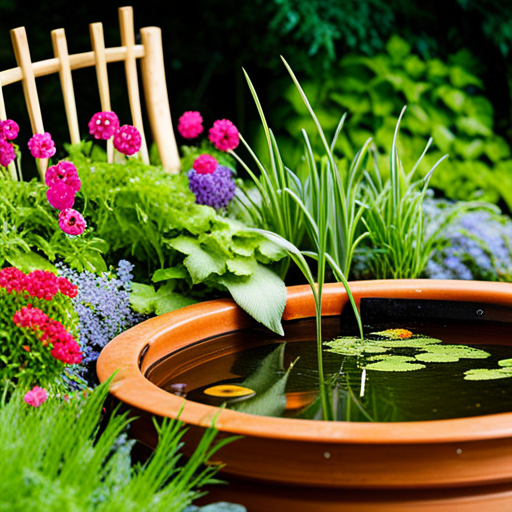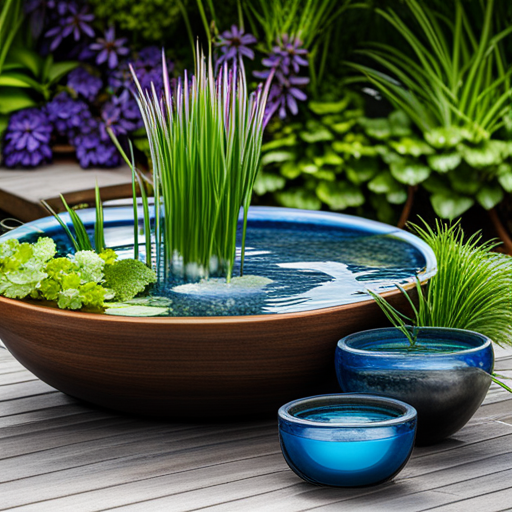
As a gardener, you have probably heard of the luxurious and peaceful ambiance that a pond creates. A mini pond in a pot, however, can give you the same effect without needing a large space or expensive components. With just a few simple materials and an hour or two of your time, you can learn how to make a beautiful and low-maintenance mini pond in a pot that will enhance the beauty of your garden and add a focal point to your outdoor decor. Warning this can start the obsession-I started this way and 2 years later had 3 ponds in my yard from very small to very large! In this post I will walk you through how to make a mini pond in a pot for your patio.
Choosing the Right Container
Choosing the right container is a paramount step in creating your mini pond. Ideally, the container should be at least 15 inches in depth to allow enough room for aquatic plants and to maintain a stable water temperature. Materials vary from ceramic and plastic to terracotta, each with its pros and cons. Ceramic pots are aesthetically pleasing and durable, plastic pots are lightweight and affordable, while terracotta pots have excellent heat absorption but are prone to cracking. In selecting, also consider the pot’s size relative to your available space, and ensure it has no drainage holes.
Creating Your Planting Layers
After selecting your container, the next step is creating the planting layers. Begin with a layer of soil designated for aquatic plants that is about 3-4 inches deep. This will serve as the base for your plants and should be firm enough to hold them in place but loose enough to allow for growth.
On top of the soil, place a layer of stones or pebbles. This not only anchors your plants but also gives your mini pond a more natural appearance. Additionally, it assists in preventing soil erosion into the water. When choosing stones, opt for natural, untreated varieties to ensure they are safe for your plants and any potential pond life.
Plants Perfect for Small Containers
While the size of your container may limit your choices to some degree, there are a variety of aquatic plants that thrive in smaller spaces. The key is to choose plants that are proportionate to your container and can adapt to the depth of your mini pond.
Dwarf Water Lilies (Nymphaea) are perfect for small containers. Their leaves provide shade for fish and their stunning flowers add a pop of color. Pickerel Plants (Pontederia cordata) are also an excellent choice. They provide height to your mini pond with their beautiful purple-blue flowers and glossy heart-shaped foliage. For oxygenating your water, consider Hornwort (Ceratophyllum demersum). It’s a submerged plant that helps to keep the water clean and clear. Lastly, Corkscrew Rush (Juncus effusus ‘Spiralis’) or Miniature Cattails adds an interesting texture to your mini pond with its twisted, spiraling stems.
Remember, the goal when choosing plants for small containers is to create a balanced ecosystem. Each plant serves a purpose, so consider their attributes and how they interact with each other when choosing.
Adding Fish to Your Mini Pond
Once your mini pond is established and the plants are thriving, introducing fish can add a new level of interest. Goldfish are a popular choice for pond pots due to their hardiness and vibrant colors. However, remember that they require adequate space, so ensure your mini pond is large enough to accommodate them comfortably. Another excellent choice is White Cloud Minnows, which are small and easy to care for, making them ideal for mini ponds.
When introducing fish, remember to acclimate them gradually to the new water temperature by floating the bag they came in on the surface of the pond for about 15 minutes, then gradually adding pond water into the bag before releasing them gently into their new home.
Do bear in mind that fish will produce waste that can alter the water’s chemistry. Therefore, it’s crucial to monitor water conditions regularly, carry out necessary water changes, and ensure your plants are thriving as they play a role in filtering the water naturally.
Remember, the goal is to maintain a balanced ecosystem where fish and plants support each other in a harmonious coexistence, creating a serene and beautiful mini pond in a pot.
Maintaining Your Mini Pond
Maintaining a mini pond in a pot is generally low-maintenance, yet some regular care will ensure that it remains a healthy and beautiful addition to your garden. Regularly remove any dead leaves and flowers from the plants to prevent decay from affecting the water quality. Furthermore, check the water level often, especially during hot weather, and replenish with clean water as needed.
If you’ve added fish to your mini pond, feed them sparingly and remove any uneaten food as it can lead to water pollution. Regularly monitor the water’s pH and ammonia levels to ensure they’re within the acceptable range for your fish and plants.
During winter, consider moving your mini pond indoors or insulating it outdoors to protect the inhabitants from freezing temperatures. Alternatively, you could choose plant species that naturally go dormant during cold weather and fish species that can survive in a state of torpor.
Remember, the goal is to maintain a balanced ecosystem that requires minimal intervention. With a little bit of care, your mini pond in a pot can remain a vibrant, calming, and attractive feature in your garden for many years to come.
Happy Water Gardening!
A mini pond in a pot might be a smaller version of the wide-ranging bliss one gets from a luxurious water feature. But it can produce the same serene tranquil effect. Having a self-sustaining and low-maintenance addition like a mini pond is a beautiful way to enhance the beauty of any garden while giving you the relaxing environment and water exposure you’re looking for. This guide should give you enough ideas and direction to create your mini pond that enhances and provides a focal point in your outdoor space.
Please be sure to check out my Gardening Blog Post Page for more tips on all types of gardening. Including Water Gardening, Coldframe Gardening, Indoor Bulb Gardening, Hydroponic Gardening, Container Gardening, Mums, Herbs, African Violets, planting Bulbs, Flower Gardening, Vegetable and Fruit Gardening, Indoor Houseplants of all kinds, Cactus, Succulents, Hanging plants, Deer resistant plants and even Bird, Bee, Butterfly and Hummingbird Gardens!