
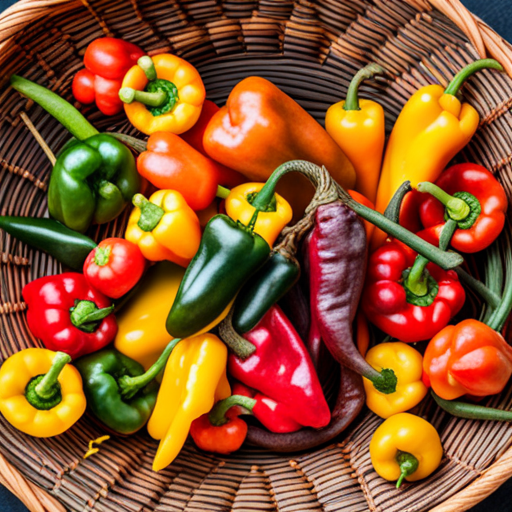
Are you an aspiring gardener, looking for new ways to grow different types of peppers? Or maybe you’re a seasoned gardener, curious about how to improve your pepper-growing game? Either way, you’ve come to the right place. In this post, we’ll be taking a deep dive into the wonderful world of how to grow peppers, covering everything different types to soil and light to watering and harvesting.
Chili peppers are the fruit of the Capsicum genus and are known for their spicy flavor that’s incorporated into various cuisines worldwide. They originate from Mexico but are now grown globally due to their versatile use in culinary applications and medicinal properties. Chili peppers come in a variety of shapes, sizes, and heat levels, from the relatively mild bell pepper to the scorching hot Carolina Reaper.
Zone Type for Pepper Plants
Pepper plants, irrespective of their type, predominantly favor a warm and sunny environment. They thrive in USDA Hardiness Zones 4-11, although they can be grown successfully in Zones 2 and 3 as well, provided that they are nurtured indoors before transplanting outdoors when the weather warms. From bell peppers to jalapenos, each pepper variety requires a minimum soil temperature of 60°F-85°F, with optimal growth witnessed at around 70°F-75°F. These plants love full sun exposure, requiring at least 6-8 hours of sunlight daily. Understanding your zone’s weather patterns and adjusting your planting schedule accordingly can significantly enhance your pepper yield.
Planting in Garden or in a Pot on your Patio
The flexibility of growing peppers extends to their capacity for flourishing in either pots or a garden bed. When selecting a pot, ensure it is at least 12 inches deep to accommodate the roots, with good drainage to prevent waterlogging. Fill the pot with a well-draining soil mix and plant the pepper seedlings 1-2 inches deep. Place the pot in a sunny spot and water regularly.
If you’re planting directly in a garden bed, prepare the soil by incorporating compost or manure to improve fertility. Ensure the bed is located in a sunny spot. Space the plants about 18-24 inches apart to allow for growth and good air circulation. After planting, water thoroughly and continue to do so regularly, ensuring the soil is moist but not saturated. Regular application of a balanced fertilizer will ensure your plants have the nutrients they need to produce a bountiful harvest.
How to Grow Bell Peppers
Bell peppers, also known as sweet peppers, are an excellent choice for beginner gardeners due to their robust nature. They prefer a loamy, well-drained soil with a pH range between 6.0 and 6.8. The soil should be rich in organic matter, so consider incorporating some compost or well-rotted manure prior to planting.
As for light requirements, bell peppers thrive in sunny locations. Ensure they receive at least 6-8 hours of direct sunlight daily to facilitate optimal growth and fruit production.
When it comes to watering, bell peppers require a consistent supply of moisture without being waterlogged. Water the plants deeply once or twice a week, depending on the weather conditions. The soil should be kept moist, but not soggy. A good rule of thumb is to water the plants when the top inch of the soil feels dry to the touch.
How to Grow Poblano Peppers
Poblano peppers, like their banana counterparts, appreciate a well-draining soil that’s enriched with organic matter. An ideal soil for poblano peppers would be a loamy type, with plenty of added compost to aid in nutrient absorption. Maintaining a soil pH of around 6.0 to 6.8 will ensure optimal growth.
Poblano peppers demand a substantial amount of sunlight. A spot that offers 6 to 8 hours of direct sunlight each day is ideal. However, if you’re in an area with harsh midday sun, providing some afternoon shade to your poblano peppers will help prevent scorching.
With regard to watering, poblano peppers require a balanced approach. The soil should be kept moderately moist, but be careful to avoid waterlogging as this can lead to root rot. The top 1-2 inches of the soil should be allowed to dry out before watering again. Depending on the climate, this might mean watering every 2-3 days in hot and dry conditions, or once a week in a cooler, more humid environment.
How to Grow Jalapeño Peppers
Growing jalapeño peppers follows a similar pattern to banana and poblano varieties. They prefer a well-draining, loamy soil rich in organic matter. To enrich your soil and enhance its nutrient profile, add a generous amount of compost prior to planting. The ideal soil pH for jalapeño peppers is slightly acidic, falling within the range of 6.0 to 6.8.
In terms of light, jalapeño peppers are sun enthusiasts, requiring a solid 6 to 8 hours of direct sunlight each day. However, in regions where the afternoon sun can be particularly intense, providing a bit of partial shade can help protect the plants from sun scorch.
Watering jalapeño peppers requires a careful balance to maintain the right level of soil moisture. The soil should be kept moist, but not soaked to the point of waterlogging. As a benchmark, wait until the top 1-2 inches of soil have dried out before watering again. This might mean watering every 2 to 3 days in hot, dry conditions, or perhaps only once a week in cooler, more humid climates. As with all pepper varieties, avoid overwatering to prevent the onset of root rot and other fungal diseases.
How to Grow Habanero Peppers
Habanero peppers enjoy similar conditions to other pepper varieties. A fertile, well-drained loamy soil enriched with organic matter creates an ideal foundation for these fiery fruits. Incorporate compost into the soil prior to planting to provide essential nutrients. Aim for a soil pH between 6.0 and 6.8 for the healthiest habanero plants.
When it comes to sunlight, habanero peppers are no strangers to basking in the glow. They require a good 6 to 8 hours of direct sunlight each day. However, if you’re in a location where the afternoon sun is particularly harsh, providing your habanero peppers with some afternoon shade can help protect them from sunburn.
Watering habanero peppers is a balance between maintaining moisture and avoiding overwatering. The soil needs to be kept reasonably moist, but never waterlogged. A good guideline is to water again once the top 1-2 inches of soil have dried out. Depending on your local climate, this might require watering every 2-3 days in hot and dry conditions, or only once per week in cooler, more humid regions. As with all pepper varieties, overwatering can lead to root rot and other fungal issues, so it’s essential to keep an eye on soil moisture levels.
How to Grow Ghost Peppers
Cultivating ghost peppers, one of the hottest pepper varieties, requires a well-drained soil that’s packed with organic matter. They thrive in loamy soil types, and adding compost prior to planting will significantly enhance nutrient availability for the plants. Aim to maintain a soil pH that falls between 6.0 and 6.8 for optimal growth and health of your ghost pepper plants.
Just like most pepper varieties, ghost peppers are lovers of sunlight. Choose a spot in your garden that offers a solid 6 to 8 hours of direct sunlight each day. However, if you’re situated in a locale with blistering afternoon sun, some partial shade can go a long way in preventing sun scorch.
Watering ghost peppers requires a delicate balance. The soil should stay somewhat moist, but avoid overwatering to the point of waterlogging. The key is to allow the top 1-2 inches of soil to dry out before watering again. This might mean watering every 2 to 3 days in hot, dry climates, or maybe just once a week in cooler, more humid conditions. As with all pepper varieties, too much water can lead to root rot and other fungal diseases, so be vigilant about monitoring soil moisture levels.
How to Grow Hatch Chilis
Hatch chilis, native to New Mexico, appreciate a well-drained, loamy soil that’s rich in organic matter. Compost can be added to the soil before planting to boost nutrient availability, thus promoting healthier and more productive plants. Maintain a soil pH within the range of 6.0 to 6.8 for the best growth of your Hatch chilis.
When it comes to sunlight, Hatch chilis require about 6 to 8 hours of direct sunlight each day. Choose a spot in your garden that offers plenty of sun exposure. However, if you’re situated in a location where the afternoon sun can be harsh, some light afternoon shade would be beneficial to prevent sunburn.
Watering Hatch chilis calls for a balanced approach. The soil should be kept moderately moist, but avoid overwatering, as this can lead to waterlogging and subsequent fungal diseases like root rot. As a rule of thumb, let the top 1-2 inches of the soil dry out before watering again. This might mean watering every 2-3 days in hot, dry climates, or perhaps only once a week in cooler, more humid conditions. Monitoring soil moisture levels is key in preventing overwatering and maintaining healthy Hatch chili plants.
How to Grow Black Pepper
Black pepper is a tropical plant that thrives in rich, well-drained loamy soil. Enrich your soil with organic matter, such as compost, prior to planting to increase nutrient availability. The ideal soil pH for black pepper is mildly acidic, falling within the range of 5.5 to 7.0.
Black pepper plants require a substantial amount of light each day, ideally between 6 to 10 hours. They can withstand direct sunlight, but if you live in a region where the sun can be particularly harsh, providing your black pepper plants with some filtered light or partial shade, particularly during the peak afternoon hours, can help protect them from potential sun damage.
Watering black pepper plants requires a careful balance as they prefer a consistently moist but not waterlogged soil. Overwatering should be avoided to prevent waterlogging and root rot. If the top 1-2 inches of soil feel dry to touch, it’s time to water again. Depending on your local climate, this may mean watering every 2-3 days in hotter, drier weather, or only once a week in cooler, more humid conditions. It’s essential to monitor soil moisture levels regularly to maintain healthy black pepper plants.
How to Grow Serrano Peppers
Serrano peppers, native to the mountainous regions of Mexico, thrive in well-drained, loamy soil that’s high in organic matter. Prior to planting, enrich your soil with compost to enhance nutrient availability, leading to healthier plants. Strive for a soil pH between 6.0 and 6.8 for the best growth of your Serrano pepper plants.
In terms of sunlight, Serrano peppers require a substantial amount of light for optimal growth, ideally between 6 to 8 hours of direct sunlight each day. However, if you’re residing in a location where the afternoon sun is particularly intense, consider providing your Serrano peppers with some partial shade during the afternoon to prevent sunburn.
Watering Serrano peppers is a balancing act. They prefer a soil that stays moderately moist, but be careful to avoid overwatering, which can lead to waterlogging and induce root rot and other fungal diseases. Wait until the top 1-2 inches of soil are dry before watering again. Depending on your local climate, this might mean watering every 2-3 days in hot, dry climates, or just once a week in cooler, more humid ones. Regularly monitoring soil moisture levels is a key part of maintaining healthy Serrano pepper plants.
How to Grow Carolina Reapers
Carolina Reapers, known as one of the hottest peppers in the world, demand a well-drained, loamy soil that’s rich in organic matter for optimal growth. To enhance nutrient availability, incorporate compost into your soil before planting. Maintaining a soil pH between 6.0 and 6.8 will help ensure the healthiest growth for your Carolina Reaper plants.
In terms of sunlight, Carolina Reapers are sun-lovers, requiring around 6 to 8 hours of direct sunlight each day. However, if you’re located in a region where the afternoon sun can be especially fierce, consider providing your plants with some light afternoon shade to prevent sun scorch.
Watering Carolina Reapers requires a balance between keeping the soil adequately moist and avoiding overwatering. Overwatering can lead to a waterlogged soil and trigger fungal diseases such as root rot. The top 1-2 inches of soil should be allowed to dry out before you water again. Depending on your local climate, this may mean watering every 2-3 days in hot, dry conditions, or perhaps only once a week in cooler, humid areas. Regularly monitor soil moisture levels to avoid overwatering and to maintain healthy Carolina Reaper plants.
Organic Fertilizer for Your Pepper Plants
Feeding your pepper plants with organic fertilizer can significantly improve their health and productivity. Composted vegetable scraps, aged manure, or worm castings are all excellent choices for enriching your soil naturally. You can also consider organic fertilizer blends that are specifically designed for pepper plants, which typically contain a higher proportion of phosphorus and potassium to promote fruit development.
You should apply organic fertilizer to your pepper plants about once every two weeks during the growing season. Generally, you would sprinkle the fertilizer around the base of the plant, avoiding direct contact with the stems and leaves to prevent burning. After application, water your plants well to help the nutrients seep into the soil and reach the roots. Remember, the goal is to nourish your plants, not overwhelm them – moderation is key.
If you’re growing your peppers in containers, you may need to fertilize more often due to nutrients leaching out with watering. Monitoring plant health and growth will help you adjust your fertilizing schedule to meet your plants’ needs. Healthy, well-fed pepper plants are more resilient to pests and diseases, and they produce an abundance of flavorful, spicy fruits.
Harvesting your Peppers
The time it takes for peppers to mature varies depending on the type of pepper you’re growing. Sweet bell peppers can take up to 75 days to mature, while hot peppers like jalapeños and habaneros can take between 60 and 90 days. You’ll know that your peppers are ready to harvest when they have reached their full size and are a bright, vibrant color. Simply cut the pepper off the stem using a sharp knife or pair of scissors and enjoy the fruits of your labor!
Happy Gardening!
Growing peppers can be a rewarding and delicious experience. By following these tips for soil, light, watering, and harvesting, you can ensure that your pepper plants grow healthy and produce abundant fruit. So, get out there, plant some peppers, and enjoy a bountiful harvest of delicious and nutritious peppers!
Please be sure to check out my Gardening Blog Post Page for more tips on all types of gardening. Including Seed Saving, Seed Starting, Orchids, Water Gardening, Coldframe Gardening, Indoor Bulb Gardening, Hydroponics, Container Gardening, Mums, Herbs, African Violets, planting Bulbs, Flower Gardening, Vegetable and Fruit Gardening, Indoor Houseplants of all kinds, Cactus, Succulents, Hanging plants, Deer resistant plants and even Bird, Bee, Butterfly and Hummingbird Gardens!