
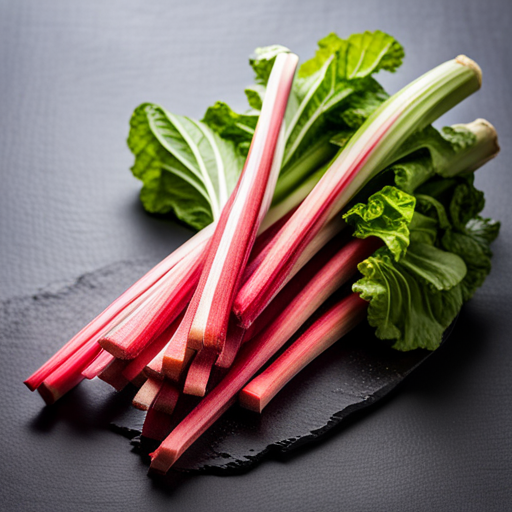
Do you want to add a unique fruit to your garden that is both delicious and easy to grow? Rhubarb is a perennial vegetable that can be grown in all types of gardens, and it thrives in various soil types and light conditions. It is a must-have for all gardeners who love to grow their own food and enjoy experimenting with new recipes. In this post, we will share with you everything you need to know about how to grow rhubarb, including when to plant it, whether to use seeds or starts, the soil types it prefers, its light and water requirements, and how and when to harvest it.
Zones to Grow Rhubarb and When to Plant
Rhubarb is a versatile plant, but it does prefer cooler climates. It is best suited to grow in USDA Hardiness Zones 3-8. While it can be grown in warmer zones with some extra care, it may struggle in extreme heat and its stalks might become thinner and less juicy. For optimal growth and production, rhubarb prefers a location that enjoys full sun but tolerates partial shade. If you live in a warmer zone but still wish to grow rhubarb, consider providing the plants with some afternoon shade to protect them from the heat. It’s also best to mulch around the base of the plants to conserve moisture and keep the soil cool.
Rhubarb is a cool-season crop that prefers to grow in temperatures between 40-75°F. The ideal time to plant it is in early spring, around March or April, depending on your climate. If you live in a warmer climate, consider planting it in the fall season, so it can have time to establish before the summer heat.
Rhubarb can be grown from seeds or starts or divisions of an established plant. Once planted, it may take a few years for the plant to establish a good root system. Seeds may take longer than the divides to reach maturity, but they are less expensive than other options.
Best Soil for Growing your Rhubarb
Rhubarb thrives in soil with a pH level of 6.0 – 7.0. I really like this soil meter to test not only the pH levels, nutrients in the soil and also moisture levels. Choose a location in your garden that receives full sun or partial shade. The soil should be deep, rich, and loamy, with a lot of organic matter added to it. You can use a mix of compost and peat moss to improve the soil quality. Before planting, make sure the soil is moist and well-drained.
Watering and Fertilizing your Rhubarb
Rhubarb plant requires consistent moisture. If you do not receive enough precipitation, water it regularly but avoid overwatering. Ensure the soil is moist about 2 inches deep. If the soil is dry, the plant signals stressed and results in producing small quantities of leaves or stems. Fertilization of your rhubarb plant is essential in helping to produce large stalks. Use a general-purpose fertilizer at the time of planting and follow-up with a nitrogen-rich liquid fertilizer in spring to encourage new growth.
Harvesting your Rhubarb
Rhubarb’s stalks will be ready for harvest during the second year of growth. It is best to wait until the plant is well established before harvesting. You can harvest it by pulling the stalks gently and twisting them free from the base of the plant. Cut off the leaves and discard them, as they are poisonous and inedible. Rhubarb produces leaves first, followed by the edible stalks, so it is important not to harvest too much of the stalks at once, as it will stress the plant.
Different Varieties of Rhubarb and Their Features:
- Victoria: This is the most common variety of rhubarb often found in home gardens. It is known for its bright green stalks that have a tinge of red. It has a sweet and tangy flavor and is perfect for making pies and jams.
- Canada Red: This variety has deep red stalks and a sweeter flavor compared to other varieties. It’s a great option for those who want to add a pop of color to their garden and recipes.
- Crimson Red: Known for its consistently red stalks, this variety is slightly less tart than others, making it a favorite for desserts. It is also an early producer, often ready for harvest before other varieties.
- Macdonald: This variety boasts bright red stalks that are thick and have high sugar content. It’s a hardy variety that’s resistant to disease and cold.
- Riverside Giant: True to its name, this variety yields large, thick stalks. Although the stalks can be green or red, its size makes it ideal for those seeking a bountiful harvest.
- Turkish: This variety is unique with its green stalks and red speckles. It has a sharp flavor and is usually used in savory dishes.
Remember, each variety comes with its own care instructions and growth rate, so it’s important to choose one that fits your garden’s conditions and your culinary needs.
What do you Use Rhubarb for?
Rhubarb is famed for its culinary versatility and is a favorite amongst chefs and food enthusiasts alike. The crisp, tart stalks are commonly used in a variety of dishes, adding a delightful tang that balances out the sweetness in desserts such as pies, tarts, and crumbles. Its unique flavor profile also lends itself well to homemade jams, jellies, and sauces. Rhubarb can be made into a refreshing compote that pairs beautifully with yogurt or ice cream, or used as a filling for pastries. What’s more, its vibrant color can add a stunning visual appeal to any dish.
Beyond sweet treats, rhubarb is also used in savory dishes, often as a component in chutneys or as a tangy addition to salads. Some adventurous foodies have even been known to use rhubarb in cocktails for a unique, summery twist. My all time favorite way to use Rhubarb is in my Grandmother’s Strawberry Rhubarb Pie!!!
Happy Gardening!
Growing rhubarb is easy and rewarding. With these tips, you can easily grow this unique fruit in your garden and enjoy its tart flavor. Remember to choose the right planting time, prepare the soil, provide adequate water, fertilizer, and enough plants growing space to ensure a healthy habitation. By following these simple steps, you will enjoy a bountiful harvest of rhubarb each year.
Please be sure to check out my Gardening Blog Post Page for more tips on all types of gardening. Including Seed Saving, Seed Starting, Orchids, Water Gardening, Coldframe Gardening, Indoor Bulb Gardening, Hydroponics, Container Gardening, Mums, Herbs, African Violets, planting Bulbs, Flower Gardening, Vegetable and Fruit Gardening, Indoor Houseplants of all kinds, Cactus, Succulents, Hanging plants, Deer resistant plants and even Bird, Bee, Butterfly and Hummingbird Gardens!