
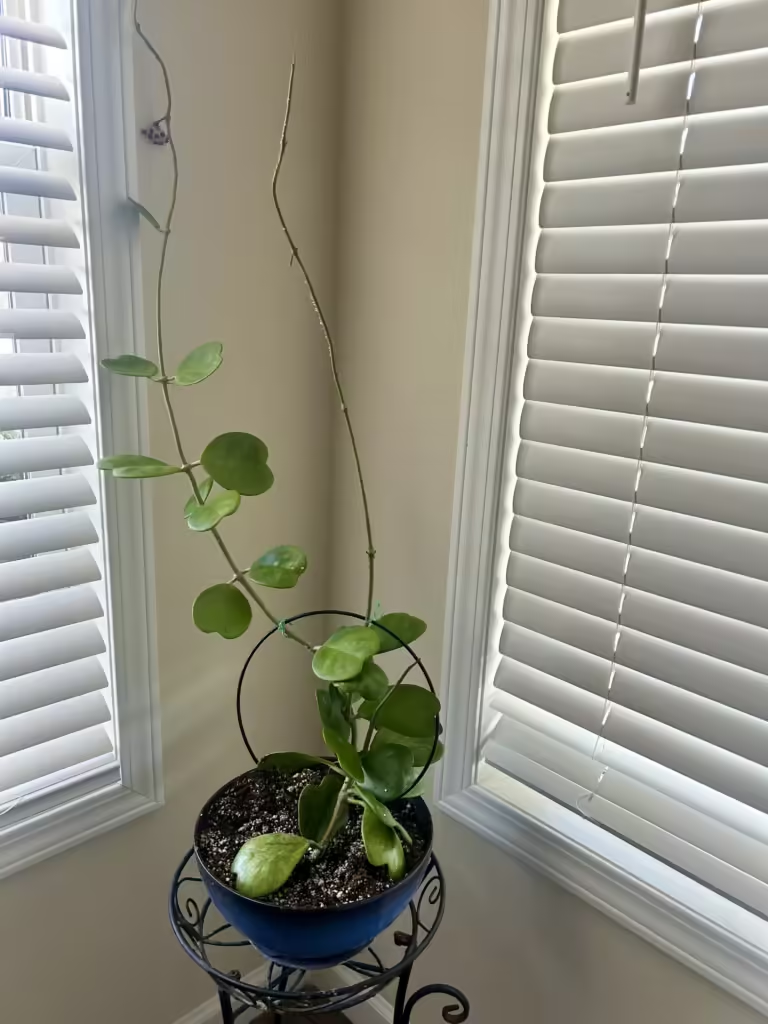
The Hoya Heart succulent, also known as Hoya kerrii or sweetheart plant, is popular due to its heart-shaped leaves. These cute succulents make perfect gifts and are easy to care for. However, proper care helps them thrive and grow, leading to a full plant instead of just a single leaf. Hope you enjoy this post on how Heart Hoya plant care, including potting, soil, light, water, fertilizer, and propagation.
Potting Your Hoya Heart
Choosing the right pot is crucial for your Hoya heart’s health. Terracotta pots work best because they allow excess moisture to evaporate, preventing root rot. Since the Hoya heart succulent prefers to be somewhat root-bound, avoid large pots that provide too much room for the roots. A snug pot encourages better growth and healthier roots. When potting, ensure the container has drainage holes. This prevents water from sitting at the bottom and causing root rot, a common issue with succulents.
When repotting your Hoya heart, wait until the plant outgrows its current pot. Typically, this happens every two to three years. You’ll know it’s time when you see roots coming out of the drainage holes or when the plant’s growth appears stunted. Repotting during spring or summer, when the plant is actively growing, helps reduce transplant shock.
Soil for Hoya Heart
The soil you choose for your Hoya heart succulent plays a big role in its overall health. Like many succulents, the Hoya heart requires well-draining soil. Regular potting soil holds too much moisture, leading to root rot. Instead, choose a cactus or succulent mix, which provides the proper balance of drainage and nutrients. These mixes typically contain sand, perlite, and a bit of organic matter. If you can’t find succulent mix, you can create your own by mixing two parts regular potting soil with one part perlite or coarse sand.
When potting your Hoya heart, avoid compacting the soil too tightly. Loose, airy soil allows for better water drainage and root expansion. Also, refrain from using garden soil or heavy clay soil, as these retain too much moisture, leading to soggy roots.
Light Requirements for Hoya Heart
Hoya heart succulents thrive in bright, indirect light. Direct sunlight can scorch the leaves, causing them to yellow or develop brown spots. Place your plant near a sunny window that gets plenty of filtered light throughout the day. East or west-facing windows are ideal, as they provide gentle morning or late afternoon sun.
If you don’t have a spot with natural light, the Hoya heart can adapt to lower light conditions. However, low light may slow growth. You can supplement with a grow light if necessary, but ensure it doesn’t provide too much heat. Remember, more light encourages healthier growth and better chances for your Hoya heart to develop new leaves and stems.
Watering Your Hoya Heart
Watering your Hoya heart succulent properly is key to its survival. Overwatering is the most common mistake succulent owners make, so always err on the side of underwatering. Hoya heart plants prefer their soil to dry out completely between waterings. Water the plant thoroughly, allowing water to drain out of the bottom of the pot. Then, wait until the soil is dry before watering again. Depending on your home’s humidity and temperature, this could mean watering every two to four weeks.
In the winter, when the plant enters a dormant period, reduce watering even further. The soil takes longer to dry out in cooler months, so check it before adding more water. Watering too frequently during this time can lead to root rot and mushy leaves.
Fertilizing Your Hoya Heart
Hoya heart succulents benefit from regular fertilization during the growing season, which typically runs from spring through early fall. Use a balanced, water-soluble fertilizer diluted to half strength. Fertilizing once a month encourages healthy growth and may even promote blooming in mature plants. However, avoid over-fertilizing, as too many nutrients can cause salt buildup in the soil, leading to burned roots.
During the winter months, when the plant is not actively growing, stop fertilizing. Resuming fertilization in the spring helps the plant wake up from dormancy and prepares it for the growing season ahead.
Propagating Your Hoya Heart
Propagating Hoya heart succulents is a fun way to expand your collection or share the love with friends. While the most common method involves rooting a single heart-shaped leaf, keep in mind that a single leaf without a stem node will not grow into a full plant. For successful propagation, you need a stem cutting with at least one node.
To propagate, cut a healthy stem with a few leaves and let the cut end dry out for a day or two. Once the cut has calloused over, you can place the stem in a well-draining potting mix. Keep the soil lightly moist but not soggy. The cutting should root within a few weeks, and new growth will begin to emerge. Keep the new plant in a warm, bright spot, and care for it as you would a mature Hoya heart.
Another method of propagation involves rooting the cutting in water. Submerge the bottom of the cutting in a jar of water, making sure no leaves touch the water, and place it in a bright spot. Change the water every few days to prevent bacteria buildup. Once roots develop, you can transfer the cutting to soil.
Happy Hoya Gardening
Caring for a Hoya heart succulent is simple once you understand its needs. Choose the right pot, use well-draining soil, and provide plenty of bright, indirect light. Water sparingly and fertilize during the growing season to encourage healthy growth. If you want to propagate your plant, remember to use a stem cutting with a node for the best chance of success. With proper care, your Hoya heart will thrive and grow, adding a touch of charm to your home for years to come.
Please be sure to check out my Gardening Blog Post Page for more tips on all types of gardening. Including Seed Starting, Orchids, Water Gardening, Coldframe Gardening, Indoor Bulb Gardening, Hydroponics, Container Gardening, Mums, Herbs, African Violets, planting Bulbs, Flower Gardening, Vegetable and Fruit Gardening, Indoor Houseplants of all kinds, Cactus, Succulents, Hanging plants, Deer resistant plants and even Bird, Bee, Butterfly and Hummingbird Gardens!