
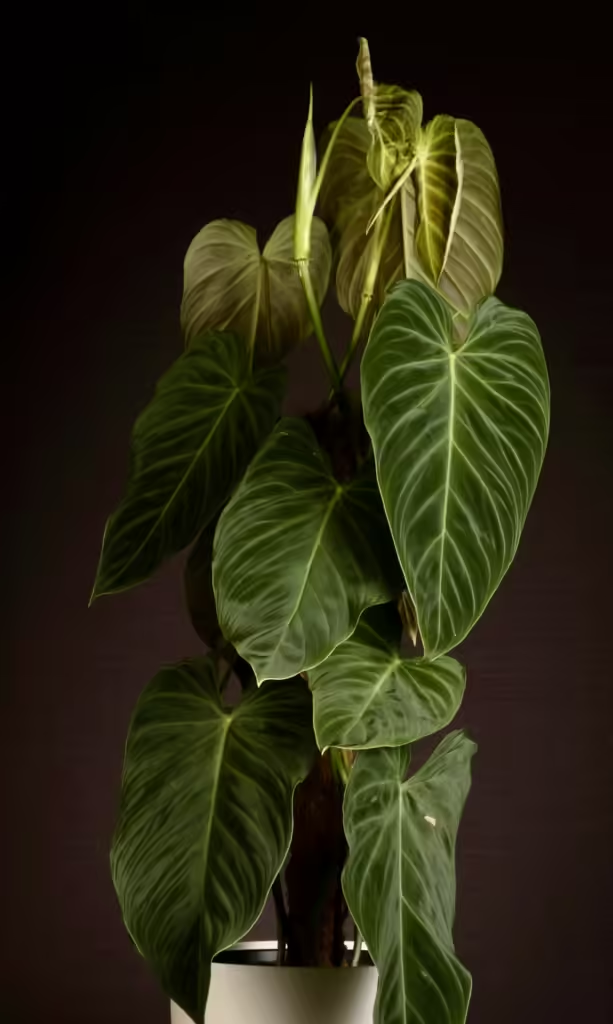
Philodendron Gigas is a stunning plant with large, velvety leaves that exhibit a deep green to bronze color. This rare tropical beauty originates from the rainforests of Panama and offers a striking presence in any indoor garden. Known for its massive leaves that can grow up to three feet long, Philodendron Gigas has become a favorite among plant collectors and enthusiasts. Although it might look intimidating, this plant is relatively easy to care for once you understand its needs. In this guide, we will explore how Philodendron Gigas grows, how to care for it properly, and how to pot and propagate it.
How Philodendron Gigas Grows
Philodendron Gigas is a climbing plant, which means it naturally grows by attaching itself to trees and other surfaces. When grown indoors, providing it with a support structure such as a moss pole or a trellis encourages healthy growth. The plant’s aerial roots will anchor to the support, allowing the leaves to spread out and maximize their size. This climbing habit helps the plant grow vertically, making it ideal for small spaces or for adding a lush, jungle-like feel to your home.
In its natural environment, Philodendron Gigas thrives in humid conditions with plenty of filtered sunlight. Indoors, it grows steadily when provided with the right care. Expect faster growth during the spring and summer months, while its growth may slow down during fall and winter. Regular pruning helps manage its size, allowing you to shape the plant according to your preferences.
Potting Your Philodendron Gigas
When choosing a pot for your Philodendron Gigas, drainage is a top priority. The plant’s roots do not tolerate standing water, so selecting a pot with multiple drainage holes is essential. Terracotta pots work well for this plant because they allow moisture to evaporate, preventing water from pooling in the soil. However, plastic or ceramic pots with drainage holes can also work effectively.
Select a pot that is slightly larger than the current root system of your Philodendron Gigas. Giving the roots enough space to grow without overwhelming them with too much soil is important for maintaining healthy growth. Plan to repot your Philodendron Gigas every one to two years, especially if the roots start to outgrow the pot or push through the drainage holes. Repotting also refreshes the soil, providing essential nutrients to the plant.
Best Soil for Philodendron Gigas
The right soil mix is crucial for ensuring your Philodendron Gigas thrives. This plant prefers well-draining soil that retains some moisture while allowing excess water to escape. A mix designed for aroids, which includes philodendrons, is ideal. You can create your own blend by combining potting soil, perlite, and orchid bark. The potting soil provides nutrients, perlite improves drainage, and orchid bark allows for proper aeration around the roots.
You can also add activated charcoal to the mix to help absorb excess moisture and keep the soil fresh. This blend mimics the plant’s natural environment, allowing it to grow strong and healthy. By ensuring that your soil is well-draining and not too compact, you prevent root rot and other issues related to poor aeration.
Light Requirements for Philodendron Gigas
Philodendron Gigas thrives in bright, indirect light, which mimics the dappled sunlight it would receive in its native rainforest. Too much direct sunlight can scorch the plant’s delicate leaves, leading to browning or yellowing. On the other hand, insufficient light can cause the plant to become leggy, with smaller, less vibrant leaves.
The ideal spot for your Philodendron Gigas is near an east or north-facing window where it can receive bright, filtered light throughout the day. If your home lacks sufficient natural light, you can supplement it with a grow light to ensure your plant gets the light it needs to thrive. During the growing season, providing adequate light will help your Philodendron Gigas produce its large, velvety leaves and grow more vigorously. You can always supplement the light with LED grow lights if you don’t have the perfect window for Gigas.
Watering Philodendron Gigas
Striking the right balance with watering is key to keeping your Philodendron Gigas healthy. This plant prefers consistently moist soil, but it does not like to sit in water. Water your plant when the top inch of soil feels dry to the touch. When you do water, make sure to water thoroughly, allowing the excess water to drain out of the bottom of the pot. This ensures the entire root system gets hydrated without leaving excess water in the soil, which can lead to root rot.
During the warmer months, you may need to water your Philodendron Gigas more frequently due to higher evaporation and faster growth. In winter, reduce the frequency of watering, as the plant’s growth slows down and it requires less moisture. Always check the soil before watering, and avoid letting the plant sit in water for extended periods, as this can lead to fungal issues or root rot.
Fertilizing Philodendron Gigas
To support its lush growth, Philodendron Gigas benefits from regular feeding during the growing season. Use a balanced, water-soluble fertilizer every four to six weeks during spring and summer. A fertilizer with an equal ratio of nitrogen, phosphorus, and potassium, such as a 20-20-20 formula, works well. This provides the necessary nutrients for both foliage and root development, ensuring your plant stays healthy and vibrant.
During the winter months, reduce fertilization since the plant’s growth slows down. Over-fertilizing during this period can lead to a buildup of salts in the soil, which can harm the roots. As a general rule, always dilute the fertilizer to half the recommended strength to avoid overwhelming the plant with too many nutrients at once.
Propagating Philodendron Gigas
Propagating Philodendron Gigas is a rewarding process that allows you to create new plants from your existing one. The easiest method of propagation is through stem cuttings. Follow these steps to propagate your Philodendron Gigas:
- Select a healthy stem with at least one node (the small bump where a leaf attaches to the stem) and a few leaves.
- Use clean, sharp scissors or pruning shears to make a cut just below the node.
- Place the cutting in water in a propagation station, ensuring the node is submerged. Keep it in a warm spot with bright, indirect light.
- After a few weeks, roots should begin to form. Once the roots are about two inches long, you can transfer the cutting to a pot with well-draining soil.
Alternatively, you can propagate directly in soil. To do this, plant the cutting with the node buried in the soil mix. Keep the soil consistently moist until new growth appears, signaling that the cutting has successfully rooted.
Happy Philo Gardening!
Philodendron Gigas is a truly magnificent plant that adds a bold, tropical feel to any indoor space. With its large, velvety leaves and climbing growth habit, it creates a lush, jungle-like atmosphere in your home. Although it may seem like an exotic plant, caring for Philodendron Gigas is straightforward when you provide the right conditions. This includes selecting the right pot, using a well-draining soil mix, providing bright, indirect light, and watering consistently. Regular fertilization and proper propagation techniques will ensure that your plant stays healthy and continues to grow for years to come. By following these care tips, your Philodendron Gigas will thrive and become a stunning centerpiece in your indoor garden.
Please be sure to check out my Gardening Blog Post Page for more tips on all types of gardening. Including Seed Starting, Orchids, Water Gardening, Coldframe Gardening, Indoor Bulb Gardening, Hydroponics, Container Gardening, Mums, Herbs, African Violets, planting Bulbs, Flower Gardening, Vegetable and Fruit Gardening, Indoor Houseplants of all kinds, Cactus, Succulents, Hanging plants, Deer resistant plants and even Bird, Bee, Butterfly and Hummingbird Gardens!