
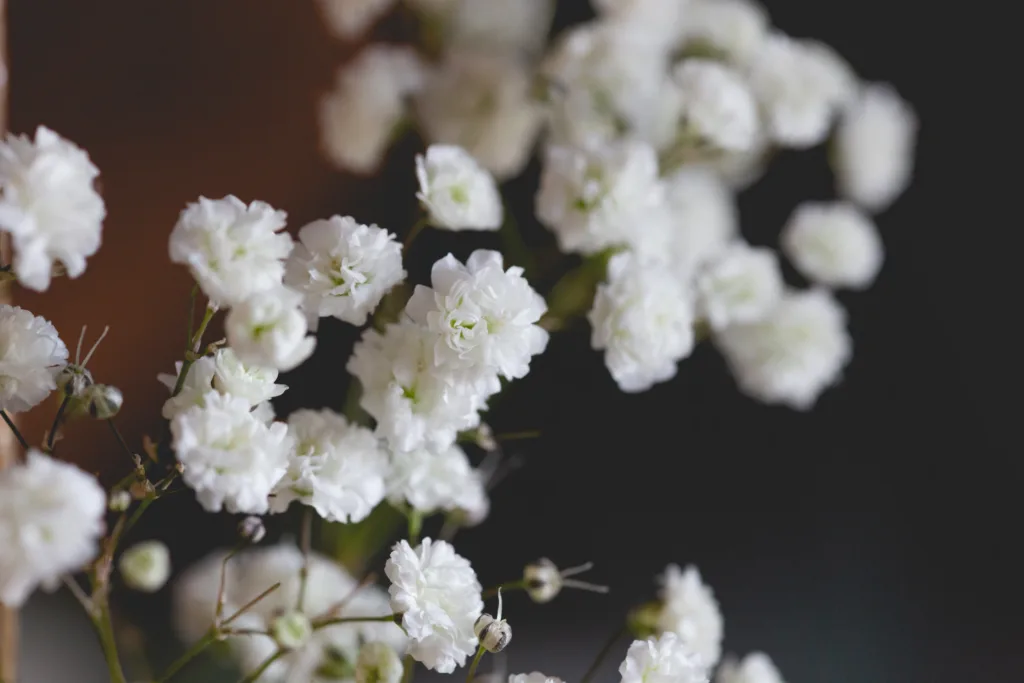
Gypsophila or Baby’s breath, known for its delicate, airy blooms, is a favorite among gardeners and florists alike. This charming perennial adds a touch of elegance to gardens and bouquets, making it a versatile and beautiful plant to grow. This comprehensive guide covers everything you need to know about how to grow gypsophila, including soil type, light requirements, water needs, fertilizer, pest control, pruning, propagation, and overwintering. Let’s dive into the essential steps for cultivating healthy and vibrant baby’s breath plants.
Soil Type
Baby’s breath thrives in well-drained, sandy or loamy soil. These plants prefer a slightly alkaline to neutral pH, ideally between 7.0 and 7.5. To create the ideal soil conditions, incorporate organic matter such as compost or well-rotted manure into the soil before planting. This enriches the soil and improves drainage, providing the perfect environment for baby’s breath roots. If your soil is heavy clay, consider amending it with sand or grit to enhance drainage and prevent waterlogging, which can lead to root rot.
Light Requirements
Baby’s breath grows best in full sun. They need at least six hours of direct sunlight daily to produce the most abundant blooms. In hotter climates, providing some afternoon shade can help protect the plants from intense sun, which can cause the flowers to fade. However, in cooler regions, baby’s breath can handle more sun exposure. Ensuring adequate light will promote healthy growth and prolific flowering.
Water Needs
Baby’s breath requires moderate watering, especially during its growing season. Water the plants regularly to keep the soil evenly moist but not waterlogged. Aim to water deeply once a week, increasing the frequency during dry spells. Mulching around the base of the plants helps retain soil moisture and regulate temperature. Be cautious not to overwater, as baby’s breath roots are susceptible to rot in overly wet conditions.
Fertilizer
Baby’s breath benefits from regular feeding to support its vigorous growth and prolific blooming. Use a balanced, slow-release fertilizer in early spring as new growth begins. A fertilizer with equal parts nitrogen, phosphorus, and potassium works well. Apply the fertilizer according to the package instructions, and water thoroughly after application to help the nutrients reach the roots. Avoid over-fertilizing, as excessive nutrients can lead to weak, leggy growth and reduced flowering.
Pest Control
Baby’s breath is relatively resistant to pests but can occasionally be affected by powdery mildew. Regularly inspect your plants for signs of pest activity. To prevent powdery mildew, ensure good air circulation around the plants and avoid overhead watering. Prune any affected leaves to prevent the spread of disease and maintain plant health.
Pruning
Pruning baby’s breath promotes healthy growth and encourages continuous blooming. After the first flush of flowers, typically in late spring or early summer, cut back the spent flower stalks to the base of the plant. This prevents the plant from expending energy on seed production and redirects it to root and foliage growth. In early spring, remove any dead or damaged leaves to promote fresh, new growth. Regular pruning keeps your baby’s breath looking tidy and vibrant.
Propagation
Baby’s breath can be propagated through seed, division, or cuttings. To propagate from seed, collect seeds from mature plants in late summer or early fall. Sow the seeds directly in the garden in late fall or early spring. For division, dig up a mature plant in early spring or fall and carefully separate the root clump into smaller sections, each with several shoots and roots. Replant the divisions immediately in prepared soil. To propagate from cuttings, take 4-6 inch stem cuttings in late spring or early summer. Remove the lower leaves and dip the cut end in rooting hormone before planting in a well-draining potting mix. Keep the cuttings moist and place them in a bright, indirect light location until roots develop.
Overwintering
Baby’s breath is hardy in USDA zones 3-9 and typically requires minimal winter care. In colder climates, apply a layer of mulch around the base of the plants in late fall to insulate the roots and conserve moisture. This helps protect the plant from freezing temperatures. In regions with mild winters, baby’s breath usually doesn’t require special overwintering care. However, if you experience severe winters, consider covering the plants with burlap or frost cloth for added protection.
Happy Gardening
In conclusion, planting and growing baby’s breath involves several key steps: preparing the right soil, providing adequate light, watering correctly, fertilizing appropriately, managing pests, pruning regularly, propagating as needed, and protecting them during winter. By following these guidelines, you can enjoy healthy, vibrant baby’s breath plants that enhance your garden with their delicate, airy blooms. With a little attention and care, your baby’s breath will reward you with years of beauty and enjoyment.
Please be sure to check out my Gardening Blog Post Page for more tips on all types of gardening. Including Seed Starting, Orchids, Water Gardening, Coldframe Gardening, Indoor Bulb Gardening, Hydroponics, Container Gardening, Mums, Herbs, African Violets, planting Bulbs, Flower Gardening, Vegetable and Fruit Gardening, Indoor Houseplants of all kinds, Cactus, Succulents, Hanging plants, Deer resistant plants and even Bird, Bee, Butterfly and Hummingbird Gardens!