
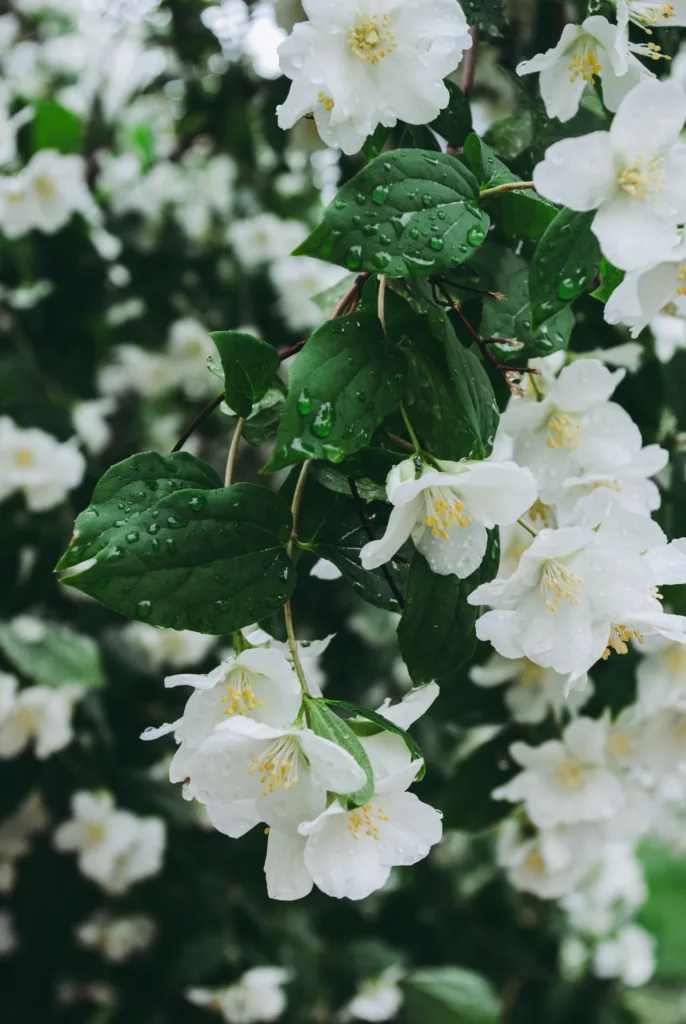
Jasmine is a beloved plant known for its intoxicating fragrance and beautiful, delicate flowers. Planting and growing Jasmine in your garden can enhance its beauty and fill the air with a sweet scent. Here is a detailed guide on how to plant and grow Jasmine, covering the best zone type, soil preparation, light requirements, water needs, fertilizer, propagation, pest control, and how to overwinter the plant.
Best Zone Type
Jasmine thrives in USDA hardiness zones 6 to 10, depending on the variety. Common Jasmine (Jasminum officinale) does well in zones 7 to 10, while Winter Jasmine (Jasminum nudiflorum) can tolerate zones 6 to 9. These zones provide the ideal climate for Jasmine to flourish, offering the right balance of warmth and mild winters.
Soil Preparation for your Jasmine
Proper soil preparation is crucial for growing healthy Jasmine plants. Jasmine prefers well-drained, moderately fertile soil. Begin by choosing a location with good drainage. If your garden soil is heavy clay or poor-draining, amend it with organic matter such as compost or well-rotted manure. This improves soil structure and fertility, ensuring better root growth.
Jasmine Light Requirements
Jasmine plants thrive in full sun to partial shade. For the best flower production, plant Jasmine in a location where it will receive at least six hours of direct sunlight each day. In hotter climates, providing some afternoon shade can help protect the plant from the intense sun and prevent the leaves from scorching.
Jasmine Water Needs
Jasmine requires regular watering, especially during the growing season. Water the plant deeply once a week, ensuring the soil remains consistently moist but not waterlogged. During dry spells or particularly hot weather, increase the frequency of watering. However, avoid overwatering, as Jasmine does not like soggy soil. Well-drained soil is key to preventing root rot.
Fertilizing Your Jasmine
Jasmine benefits from regular feeding to promote vigorous growth and abundant blooms. Apply a balanced, slow-release fertilizer in early spring when new growth begins. A 10-10-10 or 5-10-10 fertilizer works well. Spread the fertilizer evenly around the base of the plant, keeping it a few inches away from the stem. Water the area thoroughly after applying fertilizer to help it reach the roots.
Propagating Jasmine
Propagating Jasmine is easy and can be done through cuttings or layering. For cuttings, take 4-6 inch cuttings from healthy, non-flowering stems in late spring or early summer. Remove the lower leaves and dip the cut end in rooting hormone. Plant the cutting in a pot filled with a mixture of sand and peat moss, keeping the soil moist and the pot in a bright, indirect light location. Roots should develop in about six to eight weeks.
Layering is another effective method. In spring or early summer, select a healthy stem and bend it down to the ground. Make a small cut in the stem where it touches the soil and cover it with soil, leaving the tip exposed. Secure the stem with a U-shaped wire or a small stone. Roots will form at the cut site, and the new plant can be separated from the parent plant and transplanted after a few months.
Pest Control
Jasmine is relatively pest-resistant but can occasionally be affected by pests such as aphids, whiteflies, and spider mites. Regularly inspect the plant for signs of infestation, such as yellowing leaves, sticky residue, or visible insects. If pests are present, treat them with insecticidal soap or neem oil. Ensure good air circulation around the plant and avoid overwatering to prevent pest problems. Introducing beneficial insects like ladybugs can also help keep pest populations in check.
How to Overwinter Jasmine
Overwintering Jasmine requires some preparation, especially in colder climates. For outdoor plants, apply a thick layer of mulch around the base of the plant in late fall. This helps insulate the roots and protect them from freezing temperatures. In regions where temperatures drop significantly, consider covering the plant with burlap or frost cloth for additional protection.
For Jasmine grown in containers, move the pots indoors before the first frost. Place the plants in a cool, bright location, such as a sunroom or a south-facing window. Reduce watering during the winter months, allowing the soil to dry out slightly between waterings. Avoid fertilizing until spring, when new growth begins.
Additional Jasmine Tips
Regular pruning is essential for maintaining the shape and health of Jasmine plants. Prune after flowering to remove dead or damaged wood and thin out crowded branches. This encourages better air circulation and more vigorous growth. Pruning also helps control the size of the plant and prevents it from becoming leggy.
Supporting climbing Jasmine varieties with a trellis or arbor can enhance their appearance and promote more blooms. Train the vines by gently tying them to the support structure, directing their growth as desired.
Happy Gardening
In conclusion, planting and growing Jasmine can bring a touch of elegance and a heavenly scent to your garden. By following these guidelines on soil preparation, light requirements, watering, fertilizing, propagation, pest control, and overwintering, you can enjoy the beauty and fragrance of Jasmine year after year. With proper care and attention, Jasmine will become a cherished addition to your garden, providing stunning blooms and delightful aromas.
Please be sure to check out my Gardening Blog Post Page for more tips on all types of gardening. Including Seed Starting, Orchids, Water Gardening, Coldframe Gardening, Indoor Bulb Gardening, Hydroponics, Container Gardening, Mums, Herbs, African Violets, planting Bulbs, Flower Gardening, Vegetable and Fruit Gardening, Indoor Houseplants of all kinds, Cactus, Succulents, Hanging plants, Deer resistant plants and even Bird, Bee, Butterfly and Hummingbird Gardens!