
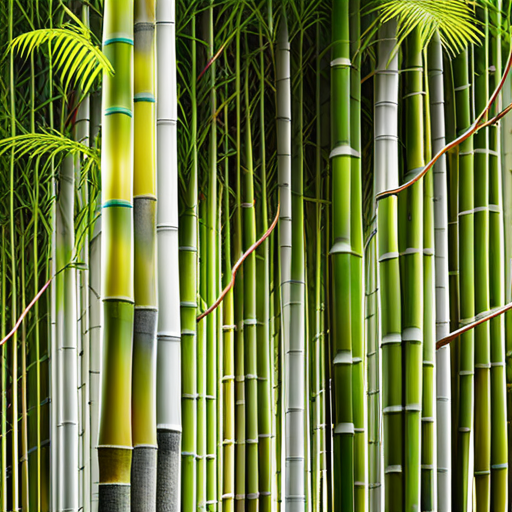
Bamboo, a grass of unparalleled versatility and speed, is a fascinating plant that has captivated the attention of gardeners. With its superb potential for shading, screening, and even musical instrument crafting, it’s no wonder bamboo is a backyard hero. However, its reputation for being highly invasive has also made it a polarizing choice for plant enthusiasts. Yet, with the right information and a dash of responsible gardening, bamboo can be a delightful addition to any garden. If you’re wanting to explore how to plant bamboo successfully, you’ve come to the right place. This post will take you through the steps to grow bamboo in your own garden, ensuring harmony between your bamboo and the rest of your plants.
Understanding the Bamboo You’re Planting
Before you dig into the dirt, taking the time to understand the type of bamboo you’re planting is crucial. Different bamboo species have varying light, space, and soil requirements. Some spread vigorously, while others are more contained.
Bamboo Types and How They Grow
Bamboo generally falls into two main categories: running and clumping. Running bamboos are known for their rapid spread through underground rhizomes, making them the culprits behind bamboo’s invasive reputation. They are superb for creating quick screens but require careful management and containment. On the other hand, clumping bamboos have a pachymorph rhizome system that grows vertically and expands slowly, making them easier to control and more suitable for smaller spaces or gardens where invasive spreading is a concern.
Each type of bamboo thrives under specific conditions—some prefer the cheer of full sun while others flourish in the gentle dappled light of partial shade. Understanding these growth habits and space requirements is the first step towards crafting a thriving bamboo haven that coexists peacefully with the surrounding flora.
Running Bamboo
The growth pattern of running bamboo is characterized by its rhizomes, which stretch horizontally underground, often leading to new shoots emerging several feet away from the parent plant. This vigorous growth can be both a boon and a bane: while it allows for rapid foliage and screen formation, it can also mean invasive behavior, encroaching on other plants’ territory. To manage running bamboo, gardeners must often incorporate physical barriers or choose strategic locations that naturally limit its spread, such as between hardscapes or contained garden beds.
Light Requirements for Running Bamboo
Running bamboo is adaptable and can thrive under various lighting conditions; however, it generally prefers a healthy balance of sun and shade. The ideal is to mimic the filtered sunlight found in its natural forest habitat. Therefore, planting running bamboo in an area that receives full sun for part of the day, but also enjoys partial shade, will ensure optimal growth. It is crucial to note that too much direct, intense sun can scorch leaves, while insufficient light may result in sparse, weak growth. By understanding the light preferences of your specific bamboo species, you’ll be promoting a more robust and vibrant stand.
Soil Requirements for Running Bamboo
When it comes to cultivating running bamboo, soil quality can make all the difference. Running bamboo favors soil that is well-drained yet capable of retaining moisture to support its vigorous growth. Aiming for a loamy soil, rich in organic matter, helps to ensure a healthy root system. The ideal pH for bamboo is slightly acidic to neutral, ranging from 6.0 to 7.0. This soil test kit is great for measuring nutrients, moisture levels and pH. Before planting, it’s advisable to work compost or aged manure into the soil to enhance its fertility and structure. Additionally, mulching around the bamboo can aid in moisture retention and temperature regulation, creating an optimal environment for the bamboo’s rhizomes to flourish without becoming waterlogged. By meeting these soil conditions, you provide your running bamboo with the foundation it needs to grow strong and reach its full screening potential.
Watering and Maintaining Your Running Bamboo Screen
Proper watering is essential to maintain the health and vigor of your running bamboo screen. Although bamboo is relatively drought-tolerant once established, it thrives on consistent moisture, especially during its growing season. As a guideline, provide your bamboo with at least 1 inch of water per week, either through rainfall or manual watering. During hot or windy weather, they may require additional hydration. Mulching can greatly assist in water retention, keeping the soil moist and cool.
Maintaining your bamboo involves regular monitoring and trimming to shape the screen to your desired height and density. Prune away any dead or weak canes to promote new growth and enhance air circulation, which can prevent fungal diseases. If containment is necessary, installing root barriers at planting time or severing rhizomes with a spade can be effective methods to control the spread. An annual application of balanced fertilizer in the spring can also give your bamboo the necessary nutrients for a lush, green appearance.
Clumping Bamboo
Clumping bamboo offers a less aggressive and more predictable growth pattern compared to its running counterpart, making it a popular choice for those who prefer a lower-maintenance gardening experience. Unlike running bamboo, clumping species grow with their rhizomes tightly packed together, gradually expanding outwards in a more controlled and manageable fashion.
Ideal Conditions for Clumping Bamboo
Clumping bamboo varieties treasure areas with ample sunlight but can also adapt to partial shade – their versatility in various lighting conditions makes them suitable for diverse garden designs. To ensure clumping bamboo thrives in your garden, plant them in a spot where they can receive morning sun and protection from the harsher afternoon rays.
Soil Preferences for Clumping Bamboo
The soil for clumping bamboo should be well-draining yet able to retain enough moisture to prevent drying out. An organic-rich, loamy soil creates an ideal bed for these types of bamboo, nurturing a robust root system. Clumping bamboo enjoys a slightly acidic to neutral soil pH, akin to running varieties. Preparing the site with compost and organic matter will create a fertile environment that supports its growth.
Watering and General Care
Clumping bamboo doesn’t demand as much attention as running types, but they still require consistent watering to establish a strong root system, particularly in the initial growing stages. Once rooted and mature, they are reasonably drought-resistant but benefit from regular watering during extended dry spells. Mulch plays a critical role in moisture conservation and root protection, and fertilizing in the spring can encourage healthier growth.
By integrating clumping bamboo into your garden, you gain the benefit of its natural elegance and ease of maintenance, making it an excellent choice for adding exotic allure and privacy while maintaining peace of mind about its spread.
Harvesting and Utilizing Your Bamboo
Harvesting your bamboo correctly ensures sustainability and promotes ongoing health of the plants. Bamboo is generally ready for harvest once the culms (stems) are three to five years old as younger canes are too soft and older ones lose their strength. The best time to harvest is during the dry season, as this reduces the likelihood of insect infestation and fungal growth.
When harvesting, select the mature culms, cut them close to the ground, and then treat them to prevent decay and insect damage. Bamboo has a multitude of uses, including constructing furniture, garden structures, or even as a sustainable alternative for flooring and textile production. With its remarkable strength-to-weight ratio, bamboo serves as an excellent material for DIY projects, embodying both functionality and environmental consciousness.
Moreover, the by-products of bamboo, such as leaves and small branches, can be repurposed as mulch or turned into rich compost, contributing to a closed-loop system within your garden ecosystem. By respecting the growth cycle and choosing appropriate harvest and utilization methods, your bamboo can provide not only beauty and privacy but also a valuable resource for a variety of uses.
Happy Gardening!
Bamboo is not just a plant; it’s an experience. While it demands respect and a practical approach, the rewards are endless. Whether you’re intrigued by its growth habit, desire for an exotic garden, or simply want to relax in the shade of your very own bamboo grove, planting bamboo can be a fulfilling and enriching endeavor.
Please be sure to check out my Gardening Blog Post Page for more tips on all types of gardening. Including Seed Starting, Orchids, Water Gardening, Coldframe Gardening, Indoor Bulb Gardening, Hydroponics, Container Gardening, Mums, Herbs, African Violets, planting Bulbs, Flower Gardening, Vegetable and Fruit Gardening, Indoor Houseplants of all kinds, Cactus, Succulents, Hanging plants, Deer resistant plants and even Bird, Bee, Butterfly and Hummingbird Gardens!