
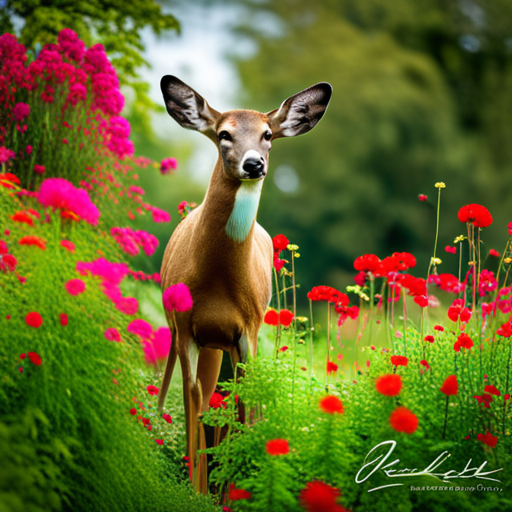
Gardening is a great hobby that offers many benefits for your physical and mental well-being. The peace and serenity it gives you, the satisfaction it provides after seeing its results, and the health benefits of being outside are only a few of them. However, if you have a garden, you would notice that deer could become quite a problem. Deer can graze on your perennials and cause significant damage. In this blog post we will give you a list of the Top 12 Perennials Deer Won’t Eat to help keep your garden safe and beautiful.
Bleeding Heart (Dicentra spectabilis)
Bleeding Heart is a stunning perennial with heart-shaped flowers that dangle from arching stems. Its botanical name, Dicentra spectabilis, reflects its spectacular appearance. Its delicate appearance belies its toughness and deer resistance.
How to Grow:
Bleeding Heart prefers a shaded or semi-shaded spot in your garden with well-drained soil. It likes a cool, moist location and does not handle dry conditions or high heat well. The plant thrives in USDA hardiness zones 3 through 9.
To plant, dig a hole that is twice as wide and just as deep as the pot it came in. Place the plant in the hole so that the top of the root ball is level with the soil surface. Backfill the hole and firm the soil gently.
Care:
Water your Bleeding Heart regularly, especially during dry seasons. The soil should remain consistently moist, but not waterlogged.
In the early spring, apply a layer of compost under the plant followed by a 2-inch layer of mulch to retain moisture and control weeds.
In terms of pruning, cut back the yellow foliage in the fall, but otherwise, let the plant grow naturally.
The beauty of the Bleeding Heart, coupled with its resistance to deer, makes it a desired perennial in many gardens.
Columbine (Aquilegia)
Columbine is an eye-catching perennial, known for its unique, bell-shaped flowers and vibrant foliage. Its botanical name, Aquilegia, comes from the Latin word for eagle, reflecting the claw-like shape of the flower’s petals. More importantly, deer tend to avoid Columbines, making them a great addition to your garden.
How to Grow:
Columbines thrive in partial shade but can tolerate full sun in cooler climates. They prefer moist, rich, well-drained soil and are hardy in USDA zones 3 through 9. When planting, ensure the hole is twice as wide and just as deep as the pot the plant came in. Place the plant in the hole so the top of the root ball is level with the soil surface, backfill the hole with soil and firm it gently.
Care:
Regular watering is necessary for Columbines, especially during dry spells. The soil should remain consistently moist, but be careful not to overwater.
Each spring, apply a layer of compost under the plant, followed by a mulch layer to retain moisture and control weeds.
Columbines do not require heavy pruning. Simply remove dead or damaged leaves as necessary and cut back the foliage to the ground in the late fall to prepare for the next growing season.
Columbine will return year after year, providing a stunning display of color and intrigue to your garden.
Russian Sage (Perovskia atriplicifolia)
Russian Sage, scientifically known as Perovskia atriplicifolia, is a hardy perennial that brings a unique beauty to any garden. With its tall, airy spires of lavender to blue flowers and silvery foliage, it’s not only visually appealing but also highly resistant to deer.
How to Grow:
Russian Sage is a sun-loving plant that thrives in areas with full sun exposure. It does well in a variety of soils, but ideally, it prefers well-drained soil. It can grow in USDA hardiness zones 4 through 9.
To plant, prepare a hole that’s twice as wide and just as deep as the container the plant came in. Place the plant in the hole, ensuring the top of the root ball is level with the ground. Backfill the hole with soil and firm it gently.
Care:
Russian Sage is a drought-tolerant plant, but it still requires regular watering, especially during dry periods. Maintain a consistent watering schedule, keeping the soil evenly moist but never waterlogged.
Every spring, apply a layer of compost underneath the plant, followed by a 2-inch layer of mulch to retain moisture and suppress weed growth.
Pruning is essential for maintaining the plant’s shape and encouraging new growth. In late winter or early spring, cut the plant back to about a foot from the ground.
With its striking visual appeal and deer resistance, Russian Sage is an excellent choice for a low-maintenance, high-impact garden.
Foxglove (Digitalis purpurea)
Foxglove, or Digitalis purpurea, is a striking biennial plant known for its tall, spike-like clusters of bell-shaped flowers. These breathtaking blooms can be seen in various hues, including pink, purple, yellow, and white, and are a fantastic addition to any garden. More impressively, deer tend to steer clear of Foxgloves, which adds to their appeal for gardeners dealing with these garden pests.
How to Grow:
Foxgloves prefer slightly acidic, well-drained soil and can thrive under full sun to partial shade. They are hardy in USDA zones 4 through 9. To plant Foxgloves, prepare a hole that is roughly twice the width and just as deep as the container they came in. Ensure the top of the root ball is level with the soil surface, then backfill the hole, firming the soil gently around it.
Care:
While Foxgloves are relatively low maintenance, they do require regular watering, especially during drier periods. The soil should be kept evenly moist but take care not to overwater, as this can lead to root problems.
As with other perennials, it is beneficial to apply a layer of compost under the plant each spring, followed by a 2-inch layer of mulch to retain moisture and control the growth of weeds.
Unlike many other perennials, Foxgloves do not require heavy pruning. Only remove dead leaves or spent flowers to maintain the plant’s appearance. However, these plants can be short-lived, often only lasting a couple of seasons.
With their towering height and vibrant blooms, Foxgloves are sure to add a dramatic touch to your deer-proof garden. These beauties will reward you with a spectacular display of color.
Lamb’s Ear (Stachys byzantina)
Lamb’s Ear, known scientifically as Stachys byzantina, is a perennial favorite for many gardeners due to its unique, soft, fuzzy foliage that resembles the ear of a lamb. This plant, which is highly resistant to deer, adds a touch of tactile appeal to any garden.
How to Grow:
Lamb’s Ear is a sun-loving plant that prefers full sun exposure, but can tolerate partial shade. The plant thrives in well-drained soil and can adjust to a wide range of soil types, making it a versatile addition to any garden. It is hardy in USDA zones 4 through 7. To plant Lamb’s Ear, dig a hole that’s about twice as wide and the same depth as the container it came in. Place the plant in the hole, ensuring the top of the root ball is level with the soil surface, then backfill the hole and firm the soil gently.
Care:
Lamb’s Ear is drought-tolerant once established, but until then, it requires regular watering, especially during dry spells. Aim to keep the soil evenly moist, but never waterlogged. In spring, apply a light layer of compost to the base of the plant, followed by a 2-inch layer of mulch to retain moisture and prevent weed growth. Pruning is simple: just remove any damaged or spent foliage as necessary to maintain the plant’s appearance. With the right care, Lamb’s Ear will provide a textured, silvery accent to your deer-resistant garden.
Daffodils (Narcissus)
Daffodils, scientifically known as Narcissus, are a beloved springtime favorite. Known for their bright yellow and white flowers, they are not only beautiful but also resistant to deer, making them a popular choice for many gardeners.
How to Grow:
Daffodils thrive in areas with full sun to part-shade and prefer well-drained soil. They are hardy in USDA zones 3 through 9. Daffodils are typically planted in the fall, before the ground freezes. To plant, dig a hole about 3 times the height of the bulb and place the bulb in the hole, with the pointed side facing up. Refill the hole with soil, firming it gently around the bulb.
Care:
Unlike many perennials, Daffodils do not require regular watering as they generally get enough moisture from rain. However, during particularly dry periods or if the plant looks wilted, occasional watering may be necessary. Following the bloom in spring, allow the green foliage to remain for about six weeks to collect and store energy for next year’s blooms. Avoid the temptation to cut back the foliage until it has yellowed and started to die back. In the fall, apply a slow-release bulb food for added nutrients. Daffodils can provide a bright and cheerful start to the spring gardening season, year after year.
Poppy (Papaver)
Poppies, known scientifically as Papaver, are a vibrant addition to any garden, with their stunning, tissue-paper-like blooms that come in an array of colors, from the traditional vibrant red to white, orange, yellow, and pink. They are deer-resistant, making them a popular choice among gardeners dealing with these garden visitors.
How to Grow:
Poppies thrive in full sun and well-drained soil. They are hardy in USDA zones 3 through 9. To plant Poppies, scatter the tiny seeds directly onto the soil surface in the late fall or early spring. Light is crucial for germination, so do not cover the seeds with soil. Water gently so as not to wash the seeds away.
Care:
Poppies are relatively drought-tolerant, but they appreciate some moisture during the growing season. However, avoid overwatering, as this can lead to root rot. Poppies do not require much in the way of feeding; however, a light application of a balanced fertilizer in early spring can encourage blooming. In terms of pruning, simply cut back the plant after flowering to maintain a neat appearance and to prevent self-seeding if desired. The beauty and simplicity of Poppies make them a spectacular addition to any deer-resistant garden. With proper care, Poppies can provide a burst of color that is truly unforgettable.
Coral Bells (Heuchera)
Coral Bells, scientifically known as Heuchera, are known for their vibrant, bell-shaped flowers and attractive foliage. This perennial is easy to grow and is highly resistant to deer, making it a perfect addition to any garden.
How to Grow:
Coral Bells are versatile and adaptable, thriving in a variety of conditions. They prefer partial shade but can tolerate full sun in cooler climates. They do well in well-drained soil and are hardy in USDA zones 4 through 9. To plant Coral Bells, dig a hole twice the width and the same depth as the container they are currently in. Place the plant in the hole, making sure the top of the root ball is level with the soil surface, then backfill the hole, firming the soil gently around the plant.
Care:
Coral Bells require regular watering, especially during dry spells, but take care not to overwater as this can lead to root rot. A yearly application of compost in the spring can boost their nutrient intake, followed by a 2-inch layer of mulch to retain moisture and suppress weed growth. Pruning is minimal with Coral Bells – simply remove any dead leaves in the spring to make way for new growth. With their eye-catching flowers and beautiful foliage, Coral Bells can add a burst of color and texture to your deer-resistant garden. Coral Bells can provide a stunning display for many years to come.
Salvia (Salvia)
Salvia, belonging to the mint family, are admired for their spikes of tubular flowers and aromatic foliage. This perennial is known for its hardiness and resistance to deer, making it a well-loved addition to any garden.
How to Grow:
Salvia prefer full sun and well-drained soil. They are hardy in USDA zones 4 through 11, depending on the specific variety. To plant Salvia, dig a hole that is twice as wide and the same depth as the container it came in. Place the plant in the hole, ensuring the top of the root ball is level with the soil surface, then backfill the hole and firm the soil gently around the plant.
Care:
Salvia plants are drought-tolerant once established, but they do benefit from regular watering during dry periods. Overwatering or poor drainage can lead to root rot, so it is important to prevent the soil from becoming waterlogged. An annual application of compost or a balanced fertilizer in the spring can provide necessary nutrients. Deadhead spent flowers to encourage a second bloom. Pruning should take place in early spring – cut back to ground level to encourage bushy growth and prevent legginess. Salvia can provide a beautiful, long-lasting burst of color to your deer-resistant garden.
Daylilies (Hemerocallis)
Daylilies, known scientifically as Hemerocallis, are an excellent choice for any gardener due to their ability to grow in a wide range of conditions and virtually care-free nature. Their vibrant, trumpet-shaped flowers add a splash of color to any garden and are resistant to deer, making them a popular choice among gardeners.
How to Grow:
Daylilies thrive in a variety of conditions but prefer full sun to partial shade and well-drained soil. They are hardy in USDA zones 3 through 9. Planting Daylilies is best done in early spring or late summer. Dig a hole wider and deeper than the root system of the plant. Position the Daylily so the crown is roughly one inch below the surface, then backfill the hole, firming the soil gently around the plant.
Care:
Once established, Daylilies are drought-tolerant, but a regular watering schedule will help them to produce more blooms. Overwatering should be avoided to prevent root rot. A yearly application of compost or a balanced fertilizer in the spring can help provide necessary nutrients. Pruning is minimal with Daylilies – simply remove spent flowers to encourage more blooms and cut back foliage in the late fall. With their lush green foliage and colorful, fleeting blooms, Daylilies are a beautiful addition to any deer-resistant garden. These plants offer a reliable and stunning display year after year.
Black-Eyed Susan (Rudbeckia hirta)
Black-Eyed Susan, scientifically known as Rudbeckia hirta, is a perennial plant cherished for its bright, daisy-like flowers with dark, round centers. Resistant to deer and easy to care for, this plant is a delightful addition to any garden.
How to Grow:
Black-Eyed Susans prefer full sun but can tolerate partial shade. They are adaptable to a range of soil types, as long as the soil is well-drained. They are hardy in USDA zones 3 through 9. To plant Black-Eyed Susans, dig a hole that is twice the width and the same depth as the root ball. Place the plant in the hole, ensuring the top of the root ball is level with the soil surface, then backfill the hole, firming the soil gently around the plant.
Care:
Black-Eyed Susans are relatively drought-tolerant once established, but they appreciate regular watering during dry periods. Avoid overwatering as this can lead to root rot. A yearly application of compost or a balanced fertilizer in the spring can help boost their nutrient intake. Deadhead spent flowers to encourage more blooms. Pruning is minimal – simply cut back the plant to ground level in the late fall to prepare for new growth in spring. Black-Eyed Susans can provide a vibrant, cheerful display in your deer-resistant garden year after year.
Iris (Iris)
Irises, with their elegant, vibrant blossoms and blade-like foliage, are a striking addition to any garden. Resistant to deer and relatively low-maintenance, they’re a favorite choice for many gardeners.
How to Grow:
Irises grow best in full sun and well-drained soil. They are hardy in USDA zones 3 through 9. When planting irises, dig a hole that is wide enough to accommodate the root system and about 4 inches deep. Create a mound in the center of the hole and spread the iris’s roots around it, ensuring the rhizome (the iris’s bulb-like structure) sits at or just below the soil surface. Cover the roots with soil, leaving the top of the rhizome visible. Space irises about 1 to 2 feet apart to allow for good air circulation and growth.
Care:
Irises are fairly drought-tolerant once established but will appreciate regular watering during dry periods. Overwatering or waterlogged soils can lead to rot, especially in the rhizome, so good drainage is essential. A light application of a balanced fertilizer in early spring can boost their growth, but beware of heavy feeding which can lead to excessive foliage at the expense of the blooms. Pruning is minimal with irises – simply remove spent flowers and trim back the foliage to about 6 inches in the fall. This can help prevent the occurrence of pests and diseases. With proper care, irises can provide a stunning display in your deer-resistant garden with their attractive, distinctive flowers and sword-like foliage.
Happy Gardening!
Starting a garden can be an investment in happiness, and it’s understandably frustrating when deer, rabbits, or other animals cause damage to your plants. But with the list of top 12 perennials that deer won’t eat mentioned in this article, you can keep your garden beautiful and safe. These perennials are not only attractive and easy to care for but also provide beautiful blooms. While it’s not guaranteed that these plants will never attract animals to your garden, each of them has proven to be deer-resistant and worthy of your perennial garden.
Please be sure to check out my Gardening Blog Post page for more growing tips on Deer resistant gardening, Mums, Herbs, African Violets, bulbs and how to plant them, Flower Gardening, Vegetable and Fruit Gardening, Indoor Houseplants of all kinds, Cactus, Succulents, Hanging plants, Container Gardening and even Bird, Bee, Butterfly and Hummingbird Gardens!