
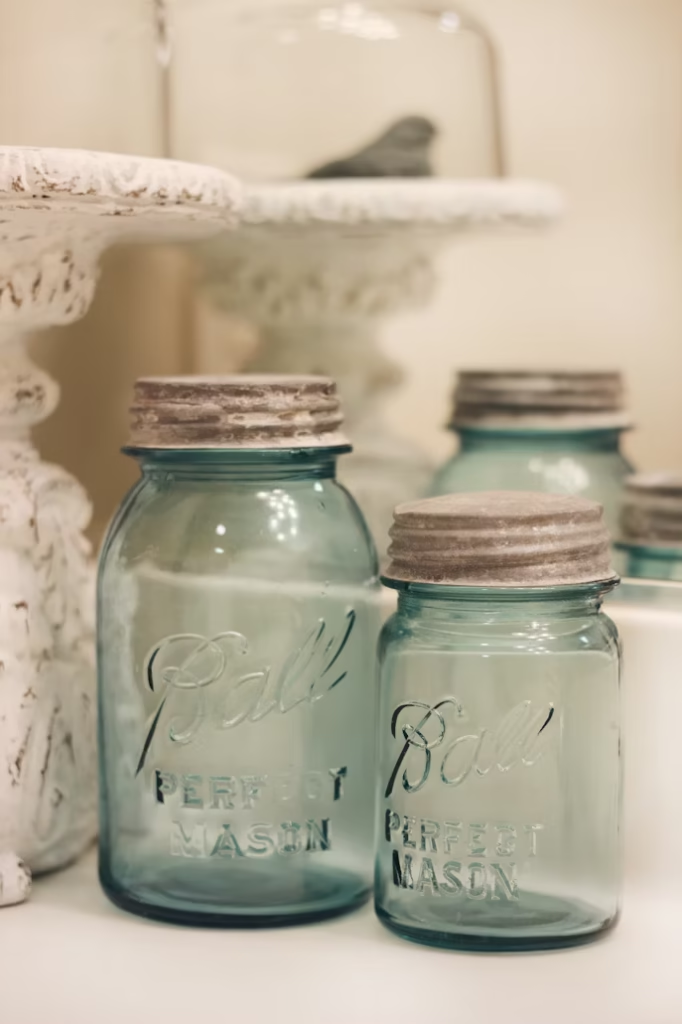
Creating a mason jar terrarium is a simple and creative way to bring nature indoors. These miniature gardens add a touch of greenery to your home, require little maintenance, and make beautiful gifts. Whether you want a decorative accent for your living room or a hands-on project for kids, a mason jar terrarium is the perfect choice. With the right plants, soil layers, and care, your terrarium can thrive for years.
What Is a Mason Jar Terrarium?
A mason jar terrarium is a small self-contained garden built inside a glass jar. The clear glass walls allow you to see the soil, rocks, and plants, creating a natural display. Since the jar traps humidity, it provides a stable environment that supports plant growth with minimal watering. Terrariums work best with small plants that prefer humid conditions, such as mosses, ferns, and succulents.
Unlike traditional houseplants, a mason jar terrarium creates its own little ecosystem. Moisture inside the jar evaporates, condenses on the glass, and returns to the soil. This natural cycle keeps the plants hydrated and healthy with very little effort.
Best Plants for Mason Jar Terrariums
Choosing the right plants is the key to a thriving terrarium. Since mason jars are small, you need plants that grow slowly and stay compact. Some of the best plants for mason jar terrariums include:
Moss
Moss is one of the easiest plants to grow in a mason jar terrarium. It thrives in humid environments and doesn’t require direct sunlight. Sheet moss, cushion moss, and rock cap moss are all excellent choices. Moss creates a lush green carpet and helps retain moisture in the soil.
Ferns
Miniature ferns add texture and variety to a terrarium. Their delicate fronds thrive in the moist environment of a closed mason jar. Small species such as maidenhair fern, button fern, or lemon button fern grow well without taking over the space.
Succulents
If you prefer an open terrarium, succulents are a great choice. They need more airflow and less humidity, so it’s best to leave the lid off the mason jar. Tiny succulents like echeveria, haworthia, and sedum bring interesting shapes and colors to your jar.
Air Plants
Air plants, or tillandsias, don’t need soil and can sit directly on rocks, sand, or decorative elements. They absorb moisture through their leaves, making them easy to care for. Air plants add a sculptural look to your terrarium and thrive with occasional misting.
Fittonia (Nerve Plant)
Fittonia is a colorful plant with striking veined leaves in shades of white, pink, or red. It grows well in the humid environment of a closed terrarium and provides a pop of color. Because it stays small, it fits perfectly in a mason jar.
Baby Tears (Soleirolia)
Baby tears form a soft mat of tiny round leaves. This plant thrives in high humidity and spreads gently across the soil. It pairs well with moss and ferns, giving your terrarium a natural woodland look.
How to Plant a Mason Jar Terrarium
Creating a mason jar terrarium is easy if you follow the right steps. Building layers inside the jar keeps the plants healthy and prevents problems like root rot.
Step 1: Choose the Right Mason Jar
Select a clear glass mason jar with or without a lid, depending on the plants you want to grow. Closed jars work best for mosses and ferns, while open jars are better for succulents and air plants.
Step 2: Create a Drainage Layer
Since mason jars don’t have drainage holes, add a base layer of small pebbles or gravel to prevent excess water from sitting in the soil. This layer helps keep roots from rotting.
Step 3: Add Activated Charcoal
Sprinkle a thin layer of activated charcoal over the pebbles. Charcoal keeps the terrarium fresh by preventing odors and mold growth. It also improves air circulation inside the jar.
Step 4: Add Potting Soil
On top of the charcoal, add a layer of potting soil suited to your chosen plants. Use a moisture-retaining soil for mosses and ferns, or a sandy soil mix for succulents and cacti. Fill the jar about one-third full to give roots room to grow.
Step 5: Plant Your Terrarium
Make small holes in the soil with a spoon or stick, then place your plants inside. Arrange taller plants toward the back and smaller ones in front to create depth. Gently press the soil around each plant to secure it.
Step 6: Add Decorative Touches
After planting, you can decorate your terrarium with small stones, shells, driftwood, or miniature figurines. These accents add character and make your mason jar terrarium unique.
Step 7: Water and Seal
Lightly water the soil until it is damp but not soggy. If you’re using a lid, seal the jar to create a closed ecosystem. For succulents or air plants, leave the lid off to allow airflow.
How to Care for a Mason Jar Terrarium
Terrariums require little care, but a few simple steps keep them healthy and thriving.
Light Requirements
Place your mason jar terrarium in a spot with bright, indirect light. Direct sunlight can overheat the jar and scorch the plants. Mosses and ferns thrive in low to medium light, while succulents need brighter conditions but still away from harsh sun.
Watering
Watering needs depend on the type of terrarium. For closed terrariums, you may only need to water once every few weeks since moisture recycles inside. If condensation builds up heavily on the glass, remove the lid for a few hours to let it dry. Open terrariums with succulents or air plants need more frequent watering, usually once every one to two weeks. Always water lightly to avoid soggy soil.
Temperature and Humidity
Keep your terrarium at room temperature between 65–75°F. Closed terrariums naturally maintain high humidity, perfect for mosses and ferns. Open terrariums stay drier, which suits succulents and air plants. Avoid placing your jar near heaters, vents, or drafty windows.
Pruning and Maintenance
Trim back plants if they start to outgrow the jar. Removing dead leaves prevents mold and keeps the terrarium looking tidy. If moss becomes too thick, gently thin it out. For succulents, remove any fallen leaves to avoid rot.
Preventing Pests and Mold
Check your terrarium regularly for pests like gnats or mold. Proper drainage and charcoal help prevent these problems. If mold appears, scrape it off the soil surface and allow the terrarium to air out for a few hours.
Creative Ideas for Mason Jar Terrariums
Mason jar terrariums are versatile and can be designed to match any style. You can create a woodland scene with moss, ferns, and tiny mushrooms, or design a desert theme with sand, rocks, and succulents. For a coastal look, add seashells and air plants. You can even turn your terrarium into a fairy garden with miniature figurines.
Terrariums also make thoughtful gifts. You can personalize them with decorations, ribbons, or hand-painted jar lids. Since they require minimal care, they are perfect for friends, family, or even office desks.
Conclusion
A mason jar terrarium is a simple way to enjoy gardening on a small scale. With the right plants and a little care, these miniature ecosystems stay healthy and beautiful for years. Moss, ferns, succulents, and air plants are some of the best choices for mason jar terrariums. By following the steps to layer soil, add drainage, and provide proper light and water, you can create a thriving green world inside a jar.
Whether you design one for yourself or give one as a gift, a mason jar terrarium brings the beauty of nature indoors and adds a touch of creativity to your home décor.
Please be sure to check out my Gardening Blog Post Page for more tips on all types of gardening. Including Seed Saving, Seed Starting, Orchids, Water Gardening, Coldframe Gardening, Indoor Bulb Gardening, Hydroponics, Container Gardening, Mums, Herbs, African Violets, planting Bulbs, Flower Gardening, Vegetable and Fruit Gardening, Indoor Houseplants of all kinds, Bonsai, Cactus, Succulents, Hanging plants, Deer resistant plants and even Bird, Bee, Butterfly and Hummingbird Gardens!