
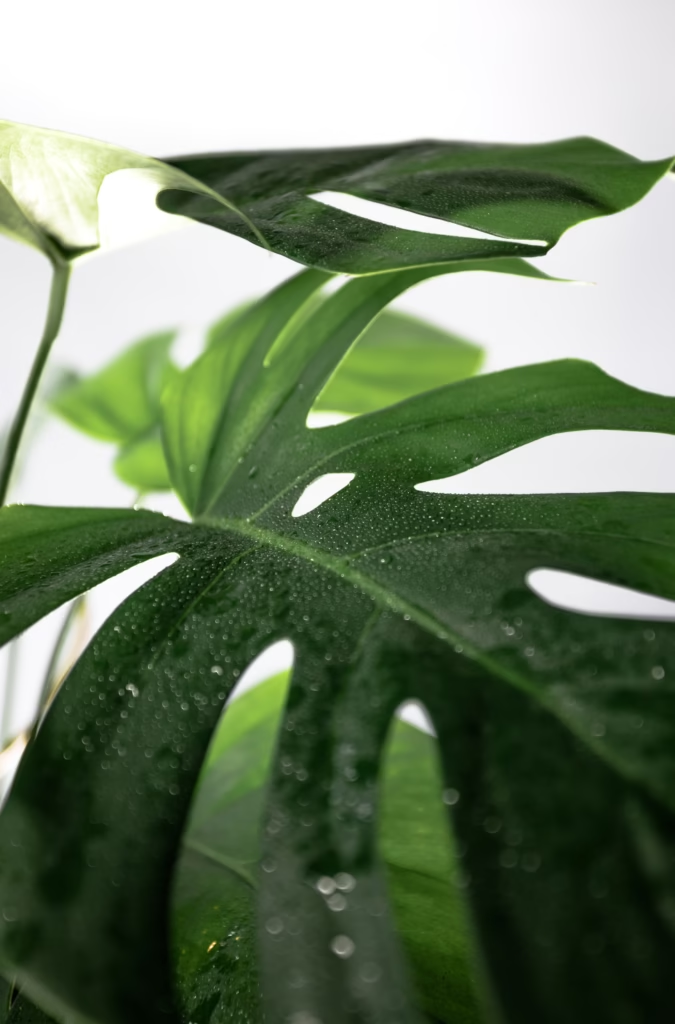
Propagating Monstera in water is one of the easiest and most rewarding ways to grow new plants. This method allows you to see roots form in real time while keeping your cutting healthy and hydrated. Whether you’re working with a Monstera deliciosa, Monstera adansonii, or another variety, water propagation is a great way to expand your indoor jungle without buying more plants. With a few simple steps and the right conditions, your Monstera cuttings will thrive.
Why Propagate Monstera in Water?
Water propagation offers several advantages, especially for beginners. First, it’s easy to monitor root development. Watching roots grow in a glass container makes it easier to track progress and adjust conditions if needed. Also, water helps keep the cutting consistently moist, which encourages root formation. There’s no need to worry about overwatering or dry soil during the early stages. Lastly, this method requires minimal supplies—just a clean cutting, fresh water, and a container.
Choosing the Right Monstera Cutting
To get started, choose a healthy section of the plant. It’s best to take your cutting from a mature Monstera that has several leaves and strong growth. Use clean, sharp scissors or pruning shears to snip just below a node. A node is the small bump along the stem where aerial roots or leaves grow. For successful propagation, the cutting must include at least one node. Without a node, roots will not form. Including an aerial root, if present, will speed up the process even more.
Preparing the Cutting for Water
After taking your cutting, remove any leaves that will sit below the waterline. Leaves submerged in water can rot and cause bacterial growth. If the cutting has multiple leaves, leave the top ones intact to help the plant continue photosynthesis. Give the cutting a few hours to callous over if you want to reduce the risk of stem rot, especially if the stem was very juicy or thick. However, most Monsteras will root just fine without a drying period if kept in clean water.
Placing the Cutting in Water
Choose a clean glass or jar that allows the node to remain submerged while keeping the leaves dry. A tall, narrow vase works well because it supports the stem and keeps the cutting upright. Or a Propagation station is another great option. Fill the container with room temperature filtered water, or let tap water sit overnight to allow chlorine to evaporate. Place the cutting in the water so the node is completely submerged, but no leaves touch the water.
Position the container in bright, indirect sunlight. Avoid placing it in direct sun, which can overheat the water and damage the cutting. A north- or east-facing windowsill is ideal. If the light is too dim, roots may take longer to grow.
Changing the Water Regularly
Clean water is key to successful propagation. Change the water every few days to prevent bacteria and algae from building up. When you change the water, rinse the container and the base of the cutting with fresh water. You can also gently wipe the stem to remove any slime that may form. If the water starts to look cloudy or smells bad, change it immediately.
Consistently refreshing the water also provides oxygen to the cutting. Without enough oxygen, the cutting can begin to rot instead of root. Regular water changes keep the environment healthy and encourage fast root development.
Watching for Root Growth
Roots typically begin to appear within two to four weeks, although it can take longer in cooler or low-light environments. At first, you’ll see small white root nubs forming at the node. Over time, these roots will grow longer and begin to branch. Allow the roots to reach at least two to three inches in length before transferring the cutting to soil.
You’ll also notice that new leaves may begin to form as the roots develop. This is a good sign that your Monstera cutting is establishing itself. However, avoid transferring to soil too early just because a leaf has grown. Focus on root length and strength for a successful transition.
Transferring to Soil
Once the roots are well-developed, it’s time to plant your new Monstera in soil. Choose a pot with drainage holes and fill it with a well-draining potting mix. A mix designed for aroids or indoor tropicals is ideal. You can also create your own by combining potting soil with perlite and orchid bark to mimic the plant’s natural environment.
Before planting, gently remove the cutting from the water and inspect the roots. Rinse them lightly to remove any residue. Dig a hole in the soil large enough to fit the roots without bending them, and plant the cutting upright with the roots covered. Water the soil well and place the pot in the same bright, indirect light the cutting enjoyed before.
Caring for Your New Monstera
For the first few weeks after planting, keep the soil lightly moist but not soggy. Your Monstera is adjusting from water to soil, so it may show signs of stress like drooping leaves or slowed growth. This is normal. As long as the roots are healthy, the plant will adjust and begin to grow more vigorously.
Continue providing bright, indirect light, and avoid placing the plant near drafts or heating vents. After a few weeks, you can return to a regular Monstera care routine that includes letting the top inch of soil dry out between waterings.
Tips for Faster Rooting
If you want to speed up root development, consider a few additional tips. First, warmer temperatures between 70-80°F encourage faster rooting. You can also add a drop of liquid rooting hormone to the water, although this is optional. Some plant owners add a small amount of willow water or natural aloe juice, which contains compounds that stimulate root growth.
Make sure your cutting is in a stable, well-lit environment. Avoid moving it frequently or exposing it to drastic temperature changes. The more stable the conditions, the faster your Monstera cutting will root.
Common Problems and How to Avoid Them
One of the most common problems with water propagation is stem rot. This usually occurs when leaves sit in water, or the water becomes stagnant. Always keep the leaves above the waterline and change the water often. If the cutting starts to turn mushy or black at the base, it’s best to trim the rot above the affected area and try again.
Another issue is root stalling, where roots fail to develop or grow very slowly. This usually results from poor light or low temperatures. Moving the cutting to a brighter spot or using a grow light can help resolve this issue.
Sometimes, algae can build up in the water, especially in clear containers exposed to light. While it doesn’t always harm the plant, it’s better to avoid it by keeping the jar clean and changing the water frequently.
Enjoying the Process
One of the most satisfying parts of propagating Monstera in water is watching the transformation. From a single cutting, you can grow a beautiful new plant while enjoying the process every step of the way. It’s also a fun and easy way to share plants with friends or expand your collection. Once you get the hang of it, you’ll likely find yourself propagating more cuttings just for the joy of it.
Whether you’re new to plant care or have a growing indoor garden, propagating Monstera in water is a low-stress, high-reward activity. It doesn’t require fancy tools or special skills—just a little patience and care. So grab your shears, find a healthy Monstera, and start your propagation journey today.
By following these simple guidelines, you’ll be well on your way to creating healthy, thriving Monstera plants from water-propagated cuttings. Keep the process clean, consistent, and well-lit, and success will follow.
Please be sure to check out my Gardening Blog Post Page for more tips on all types of gardening. Including Seed Saving, Seed Starting, Orchids, Water Gardening, Coldframe Gardening, Indoor Bulb Gardening, Hydroponics, Container Gardening, Mums, Herbs, African Violets, planting Bulbs, Flower Gardening, Vegetable and Fruit Gardening, Indoor Houseplants of all kinds, Cactus, Succulents, Hanging plants, Deer resistant plants and even Bird, Bee, Butterfly and Hummingbird Gardens!