
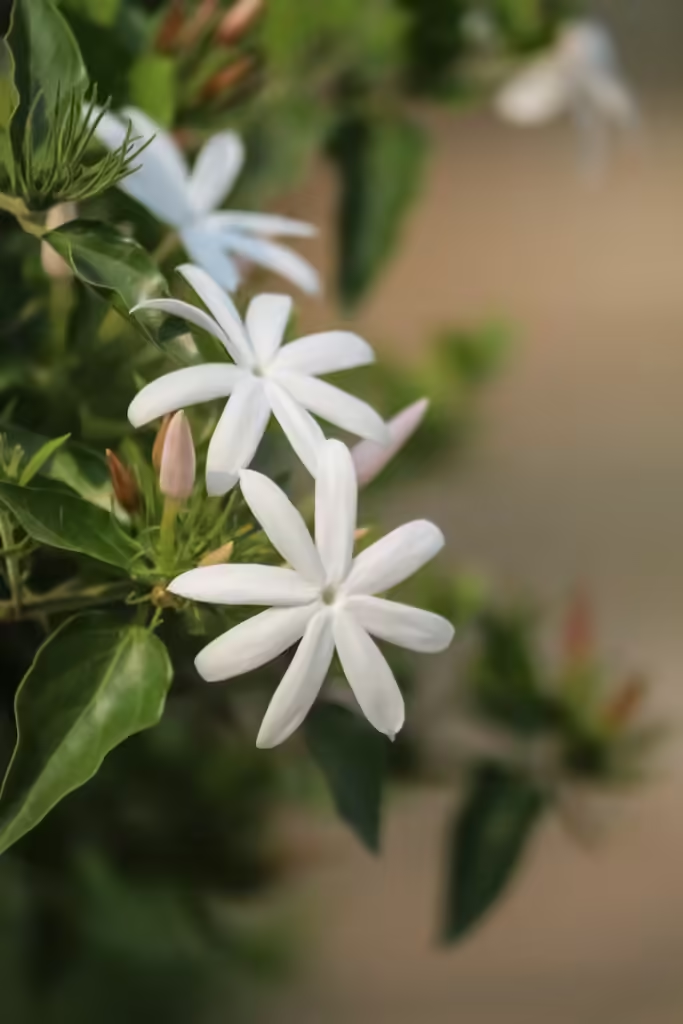
Jasmine is a popular flowering plant loved for its sweet scent and delicate blooms. Whether you grow it indoors or outdoors, propagating jasmine helps expand your garden without buying new plants. If you want more jasmine vines climbing your trellis or spilling from hanging baskets, learning to propagate this plant is the perfect solution. This guide walks you through everything you need to know.
Why Propagate Jasmine?
Propagating jasmine saves money and helps you grow more of your favorite plants. Instead of purchasing another nursery plant, you can grow new jasmine from an existing one. Propagation also gives you control over the process, from soil to growing conditions. You’ll enjoy the satisfaction of seeing a new plant thrive thanks to your care and effort.
Besides, jasmine cuttings often root quickly. With the right tools and methods, you can grow healthy plants that bloom just like the parent plant. You can also share your jasmine cuttings with friends and family, making your garden a source of joy for others.
Best Time to Propagate Jasmine
Timing plays a big role in successful propagation. The best time to propagate jasmine is in spring or early summer. During this period, the plant enters its active growth phase, which helps the cuttings root faster. If you try propagating in late fall or winter, success may take longer due to slower growth.
So, plan your propagation when the weather warms and your jasmine grows new stems. Warm temperatures, longer days, and higher humidity all work together to help the new plants take root.
Tools and Materials You’ll Need
Before you begin, gather the right tools and materials. This helps the process go smoothly and increases your success rate. Here’s what you’ll need:
- Sharp, clean pruning shears or scissors
- Rooting hormone (optional but helpful)
- Small pots or seed trays
- Well-draining potting mix or seed-starting mix
- Clear plastic bags or a propagation dome
- Spray bottle for misting
- Labels (if propagating multiple cuttings)
Using clean tools matters. Dirty tools can transfer disease, so wipe blades with rubbing alcohol before and after cutting.
Choosing the Right Jasmine Plant
Healthy parent plants produce strong cuttings. Choose a mature jasmine plant that looks lush and disease-free. Look for long, flexible stems with green leaves. Avoid woody, dry, or damaged growth. Stems with several leaf nodes make the best cuttings because nodes are where roots form.
If you see healthy stems with no signs of yellowing, spots, or pests, you’re good to go. Healthy stems produce faster, stronger roots and give you a better start.
Propagating Jasmine from Cuttings
Propagating from cuttings is the most popular method. Follow these simple steps to grow new jasmine plants from stem cuttings.
Step 1: Take the Cuttings
Use your pruning shears to snip a 4- to 6-inch stem from the parent plant. Make the cut just below a leaf node. Remove the leaves from the lower half of the stem, leaving two to three leaves at the top.
Try to take your cuttings in the morning when the plant is well-hydrated. This keeps the stems firm and easier to root.
Step 2: Apply Rooting Hormone (Optional)
Dipping the cut end in rooting hormone boosts the chance of root development. While it’s not required, it does speed up the process and increase success. Simply dip the stem’s cut end in the powder or gel, then tap off any excess.
Step 3: Plant the Cutting
Next, fill a small pot with a well-draining potting mix. A mix of peat moss, perlite, and coconut coir works well. Make a small hole in the soil using a pencil or stick and place the cutting in it. Firm the soil around the stem to hold it upright.
Step 4: Create a Humid Environment
Humidity helps cuttings root, so cover the pot with a clear plastic bag or place it under a plastic dome. This traps moisture and creates a mini greenhouse. Keep the plastic from touching the leaves by using sticks or skewers to hold it up.
Mist the cutting lightly with a spray bottle. Then place the pot in a warm, bright spot with indirect sunlight. Avoid direct sun, which may dry out or burn the cutting.
Step 5: Water and Wait
Keep the soil slightly moist, but not soggy. Check daily and mist if the soil starts to dry out. After two to four weeks, gently tug on the stem. If you feel resistance, roots have formed. At this point, you can begin removing the plastic bag for short periods each day to harden the plant.
Once the cutting shows steady growth, you can transplant it into a larger pot or directly into the garden.
Propagating Jasmine in Water
Another easy method is propagating jasmine in water. Some gardeners prefer this method because it allows you to watch the roots grow.
To do this, follow these steps:
- Take a 4- to 6-inch cutting from a healthy plant.
- Remove the lower leaves, keeping two or three at the top.
- Place the cutting in a clear glass filled with room-temperature water.
- Make sure only the bottom half sits in water.
- Change the water every few days to prevent bacteria buildup.
Place the glass in a bright area with indirect light. Within two to three weeks, roots should begin to grow. Once the roots are 1 to 2 inches long, transplant the cutting into a pot with soil.
Propagating Jasmine by Layering
You can also propagate jasmine by layering. This method works well with long, flexible stems and does not involve cutting until roots form.
Here’s how to do it:
- Choose a healthy stem that reaches the ground or a nearby pot.
- Remove the leaves along a 4- to 6-inch section.
- Make a small cut or scrape on the underside of the stem to expose the node.
- Pin the scraped section into the soil using a bent wire or landscape pin.
- Water the area and keep the soil moist.
After a few weeks, roots will form where the stem touches the soil. Once rooted, cut the new plant from the mother stem and transplant it.
Caring for New Jasmine Plants
Once your new jasmine plants establish roots, care becomes easy. Start by transplanting them into larger pots or garden beds. Use well-draining soil and place them in full to partial sunlight, depending on the variety.
Water the plants regularly, keeping the soil evenly moist. Avoid letting it dry out completely. Feed your jasmine monthly during the growing season with a balanced liquid fertilizer to promote lush growth and blooms.
If growing outdoors, mulch around the plant to hold moisture and protect roots. If growing in pots, make sure the container has drainage holes to prevent root rot.
Final Thoughts
Propagating jasmine is a fun and rewarding way to expand your garden. Whether you use cuttings, water propagation, or layering, the steps are simple and effective. Start with healthy stems, provide humidity, and keep the soil moist. With patience, you’ll soon have beautiful, fragrant jasmine plants blooming in every corner.
Try one or more of these methods today and watch your garden grow. Propagation brings the joy of gardening full circle—from one plant, you can create many more. Enjoy the process and share the beauty of jasmine with others.
Please be sure to check out my Gardening Blog Post Page for more tips on all types of gardening. Including Seed Saving, Seed Starting, Orchids, Water Gardening, Coldframe Gardening, Indoor Bulb Gardening, Hydroponics, Container Gardening, Mums, Herbs, African Violets, planting Bulbs, Flower Gardening, Vegetable and Fruit Gardening, Indoor Houseplants of all kinds, Cactus, Succulents, Hanging plants, Deer resistant plants and even Bird, Bee, Butterfly and Hummingbird Gardens!