
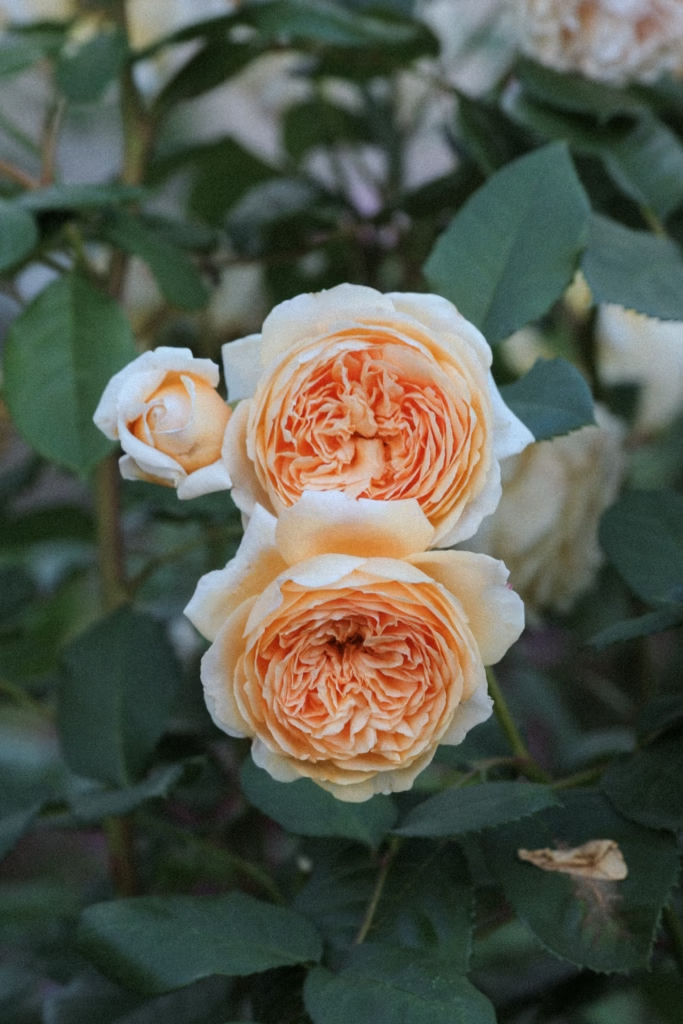
Floribunda roses bring bold color and repeated blooms to your garden all season long. They grow as bushy shrubs, bloom in clusters, and offer a range of colors that brighten up flower beds, borders, and containers. If you’re looking for a rose that combines beauty with reliability, floribunda roses are the perfect choice. Follow these simple steps for growing and care of floribunda roses and keep them blooming from spring through fall.
How to Plant Floribunda Roses
Start with a healthy plant. Choose a location that receives full sun and offers enough space for air to circulate around the bush. Good spacing helps reduce disease and encourages strong growth.
When planting, dig a hole twice as wide and just as deep as the root ball. Mix the removed soil with compost or well-rotted manure. This adds nutrients and improves drainage. Place the rose in the hole so the graft union (the swollen area near the base of the plant) sits just above soil level. Backfill with the amended soil, then press down gently to remove air pockets. Water well after planting.
Soil Preparation for Floribunda Roses
Floribunda roses grow best in rich, well-draining soil. Before planting, work organic matter into the soil, such as compost, leaf mold, or aged manure. This boosts nutrients and improves texture. If your soil feels heavy or holds water after rain, mix in some sand or perlite to loosen it. Roses dislike soggy roots, so always focus on drainage when preparing the ground.
For best results, test your soil’s pH with this soil meter. Floribunda roses prefer a pH between 6.0 and 6.5. If your soil is too acidic, add garden lime. If it’s too alkaline, mix in elemental sulfur. Keeping the soil balanced helps your roses take up nutrients easily.
Light Requirements
Floribunda roses thrive in full sun. Aim for at least six hours of direct sunlight each day. Morning sun is especially helpful because it dries dew from the leaves and reduces the risk of fungal diseases. If possible, avoid planting roses near large trees or shaded walls. Without enough light, your roses will grow leggy, and the blooms will be fewer and smaller.
Watering Floribunda Roses
Consistent watering keeps floribunda roses healthy and blooming. Water deeply once or twice a week, depending on weather and soil type. Sandy soils dry out faster and need more frequent watering. Clay soils hold moisture longer, so you can water less often.
Always water at the base of the plant to avoid wetting the leaves. Damp foliage encourages diseases like black spot and powdery mildew. Use a soaker hose or drip irrigation for best results. During hot or windy weather, check the soil often and increase watering if needed. Mulching also helps retain soil moisture and reduce the need for frequent watering.
Fertilizer Needs
To keep floribunda roses blooming, feed them regularly throughout the growing season. Start in early spring when new growth appears. Use a balanced rose fertilizer. Apply it according to the package directions, then water well to help it soak in.
Repeat feeding every four to six weeks through mid-summer. Avoid fertilizing after August, as this encourages new growth that won’t harden before winter. For an extra boost, mix in organic options like fish emulsion, alfalfa meal, or compost tea. Healthy soil, combined with regular feeding, leads to more blooms and stronger plants.
How to Propagate Floribunda Roses
You can propagate floribunda roses from stem cuttings. Choose a healthy, non-flowering stem about six inches long. Cut just below a leaf node, then remove the bottom leaves. Dip the cut end into rooting hormone to improve success.
Next, stick the cutting into a pot filled with moist potting mix and perlite. Cover it with a plastic bag or dome to hold in moisture. Place the pot in a bright spot with indirect light. Keep the soil slightly moist but not soggy. In about four to six weeks, roots should form. Once you see new growth, move the cutting into a larger pot or directly into the garden.
Pruning Floribunda Roses
Pruning keeps floribunda roses healthy and full of blooms. Begin in early spring, just as new buds appear. First, remove any dead or damaged branches. Cut them back to healthy wood, just above a leaf node.
Next, trim away any thin or crossing stems to open up the center of the plant. This allows better air flow and light. Then, shape the bush by cutting each remaining stem back by about one-third. Always use clean, sharp pruners and make cuts at a 45-degree angle facing outward.
Throughout the growing season, deadhead spent blooms to encourage more flowers. Snip the bloom stem just above a set of five leaves. This redirects energy into new growth and extends the flowering period.
Common Pests and How to Treat Them
Floribunda roses can attract several pests, but you can control most of them with quick action and the right methods.
Aphids cluster on tender stems and buds. Rinse them off with a strong spray of water or apply insecticidal soap. You can also release ladybugs, which feed on aphids naturally.
Spider mites create fine webbing on leaves and cause yellow speckling. Use neem oil or insecticidal soap weekly until the infestation clears. Increase humidity around the plant, as mites thrive in dry air.
Japanese beetles chew on leaves and flowers. Hand-pick them early in the morning when they move slowly. Drop them into a bucket of soapy water. Avoid using traps nearby, as they can attract more beetles.
Rose slugs, which are sawfly larvae, skeletonize the leaves. Spray with insecticidal soap or neem oil as soon as you see damage. Reapply every few days until the pests disappear.
To prevent problems, inspect your roses often. Early detection keeps small issues from turning into major problems.
Keeping Floribunda Roses Healthy Year-Round
A few simple habits will keep your floribunda roses healthy from spring through fall. Start by cleaning up fallen leaves and spent flowers regularly. This removes hiding spots for pests and diseases. Apply mulch in spring to hold in moisture, reduce weeds, and keep roots cool.
In colder zones, prepare for winter by stopping fertilizer in late summer and cutting back growth lightly in fall. After the first frost, mound soil around the base of the plant and cover it with mulch or straw. This protects the crown from freezing temperatures.
Each spring, remove the mulch and prune the bush to shape it and encourage fresh growth. Regular care and attention will reward you with beautiful blooms year after year.
Floribunda roses are easy to grow if you follow the right steps. From planting in rich, well-drained soil to feeding, watering, pruning, and managing pests, each task plays a part in keeping your roses blooming. With full sun, steady care, and the right conditions, you can enjoy nonstop color in your garden all season long.
Please be sure to check out my Gardening Blog Post Page for more tips on all types of gardening. Including Seed Saving, Seed Starting, Orchids, Water Gardening, Coldframe Gardening, Indoor Bulb Gardening, Hydroponics, Container Gardening, Mums, Herbs, African Violets, planting Bulbs, Flower Gardening, Vegetable and Fruit Gardening, Indoor Houseplants of all kinds, Cactus, Succulents, Hanging plants, Deer resistant plants and even Bird, Bee, Butterfly and Hummingbird Gardens!