
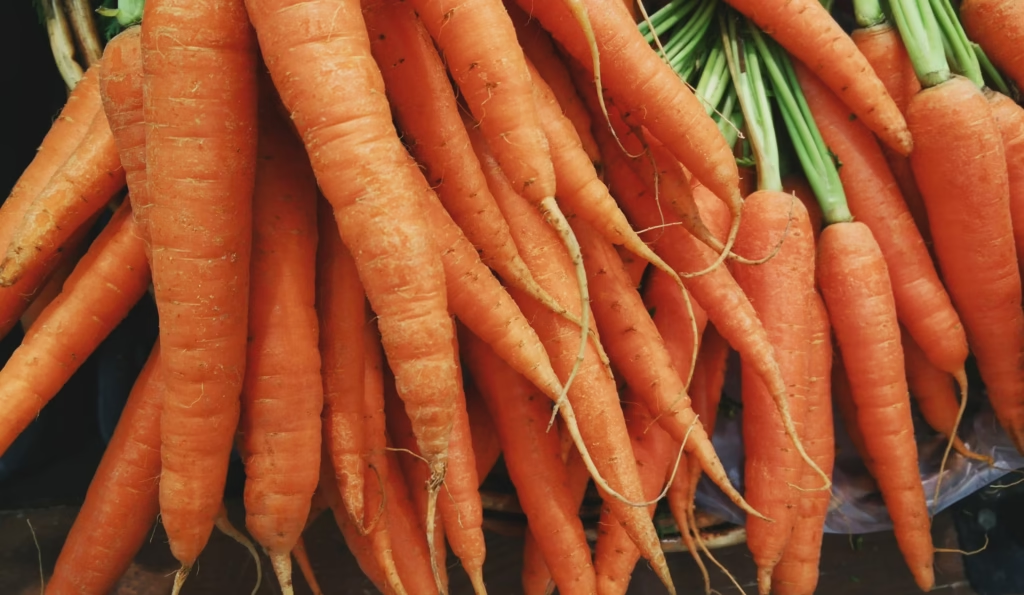
Growing carrots in a 5-gallon buckets is a great way to produce fresh, homegrown vegetables, even in small spaces. With the right carrot variety, proper soil, and good care, you can enjoy a bountiful harvest. Here’s how to grow carrots successfully in a bucket.
Best Carrot Varieties for Bucket Growing
Not all carrot types thrive in containers. Choose shorter varieties that do not require deep soil. Some of the best options include:
- Parisian – These small, round carrots are perfect for shallow soil and taste sweet.
- Thumbelina – A round variety that matures quickly and grows well in tight spaces.
- Danvers Half-Long – A great choice for containers with slightly deeper soil.
- Nantes – These cylindrical carrots grow well in buckets with loose, well-draining soil.
- Chantenay – Short and stocky, these work well if the soil is at least 10 inches deep.
How Many Carrots Per 5-Gallon Bucket?
A standard 5-gallon bucket can support around 20 to 25 carrot plants. Space the seeds about 1 to 2 inches apart to ensure proper growth. Overcrowding can lead to stunted roots, so thinning them once they sprout is essential.
The Best Soil for Carrots in Buckets
Carrots need loose, well-draining soil to develop properly. A mix of potting soil, compost, and sand creates the ideal growing medium. Avoid using heavy garden soil, as it can compact and hinder root growth. The ideal soil blend includes:
- 50% high-quality potting soil
- 30% compost for nutrients
- 20% sand to improve drainage and prevent compaction
Before planting, ensure the soil is moist but not soggy. Fluff it up to remove clumps or hard chunks that could obstruct root growth.
Sunlight Requirements
Carrots thrive in full sun, needing at least 6 to 8 hours of direct sunlight daily. Place the bucket in a sunny location like a balcony, patio, or backyard. If you have limited sunlight, grow lights can supplement natural light to ensure healthy development.
Watering Needs
Consistent moisture is key for growing carrots. Keep the soil evenly moist, but avoid overwatering, which can cause root rot. A good rule is to water every two to three days, adjusting based on weather conditions. In hot climates, more frequent watering may be necessary.
To maintain moisture without waterlogging, use a bucket with drainage holes at the bottom. Without proper drainage, the roots may rot or become misshapen.
Fertilizing Carrots in a Bucket
Carrots do not require heavy fertilization, but feeding them properly can boost their growth. Use a low-nitrogen fertilizer, such as 5-10-10 or 4-10-10, once the seedlings are a few inches tall. Too much nitrogen causes excessive leafy growth at the expense of root development.
For an organic approach, use compost tea or fish emulsion every few weeks. Avoid fertilizers high in nitrogen to encourage strong, well-formed carrots.
Common Problems and How to Fix Them
Carrots Not Germinating
If seeds do not sprout, the soil might be too dry or the temperatures too high. Keep the soil consistently moist and ensure it stays around 55-75°F for the best germination results.
Misshapen or Forked Carrots
Hard, compact soil or obstructions in the soil can cause carrots to grow in odd shapes. Use light, loose soil free of rocks or debris. Avoid over-fertilizing with nitrogen, as this can lead to forked roots.
Pest Issues
Carrot flies and aphids can be a problem. To deter them, cover the bucket with row covers or plant strong-smelling herbs like rosemary or chives nearby. Hand-pick aphids or spray with a mild soapy water solution to control infestations.
Carrots Splitting
Inconsistent watering often leads to cracked carrots. Keep the soil evenly moist and avoid sudden heavy watering after a dry spell. Mulching around the plants helps retain moisture and prevent fluctuations.
Harvesting Your Carrots
Carrots take about 60 to 80 days to mature, depending on the variety. Check for readiness by gently pulling up one carrot to see its size. If it looks mature, harvest the rest by loosening the soil and pulling them up carefully. After harvesting, wash and store them in the refrigerator for freshness.
Conclusion
Growing carrots in a 5-gallon bucket is an easy and rewarding way to enjoy fresh vegetables at home. By choosing the right variety, using well-draining soil, and providing proper care, you can ensure a successful harvest. With attention to watering, sunlight, and pest control, your bucket-grown carrots will thrive and provide a steady supply of delicious, homegrown produce.
Please be sure to check out my Gardening Blog Post Page for more tips on all types of gardening. Including Seed Saving, Seed Starting, Orchids, Water Gardening, Coldframe Gardening, Indoor Bulb Gardening, Hydroponics, Container Gardening, Mums, Herbs, African Violets, planting Bulbs, Flower Gardening, Vegetable and Fruit Gardening, Indoor Houseplants of all kinds, Cactus, Succulents, Hanging plants, Deer resistant plants and even Bird, Bee, Butterfly and Hummingbird Gardens!