
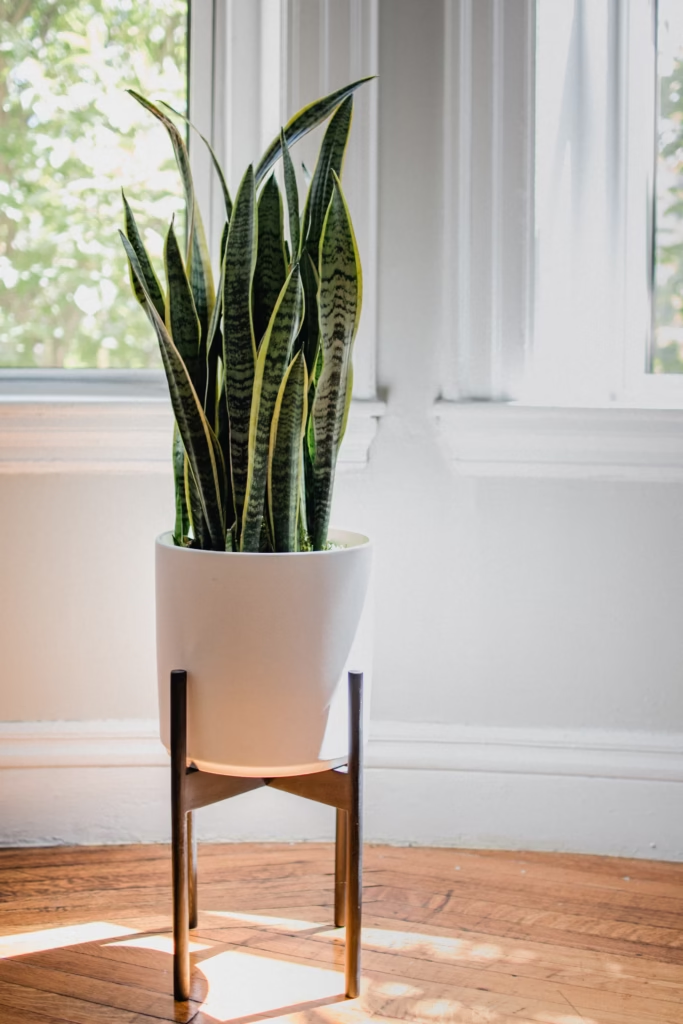
Snake plants (Sansevieria) are popular houseplants because they are hardy and easy to care for. If you want more of these beautiful plants, propagation is simple and rewarding. Whether you use leaf cuttings or division, snake plants can grow quickly with the right care. This guide will cover everything you need to know, including how to take cuttings, the best propagation methods, soil preparation, light requirements, water needs, and fertilization.
How to Take Cuttings for Propagation
To start propagation, you need a healthy snake plant. Use a sharp, clean knife or pruning shears to cut a leaf near the base. Select a mature, healthy leaf for the best results. Cut the leaf into sections, each about 3-4 inches long. Make a small notch at the bottom of each section to help with root development. Let the cuttings dry for a day or two to prevent rot before placing them in soil or water.
Methods of Propagation
Water Propagation
Water propagation is an easy and reliable method. Place the cuttings in a jar or glass of water with the cut end submerged. Change the water every few days to keep it fresh and prevent bacteria growth. After a few weeks, roots will start forming. Once they reach about an inch long, transfer the cuttings to soil for continued growth.
Soil Propagation
Soil propagation is another effective method. After letting the cuttings dry, plant them upright in a pot filled with well-draining soil. Press the cuttings into the soil, ensuring the notched end is buried about an inch deep. Water lightly and place the pot in a warm, bright area. Roots will develop in a few weeks, and new growth will eventually appear.
Division Method
Dividing a snake plant is the fastest way to create new plants. Remove the plant from its pot and gently shake off excess soil. Identify natural divisions where the leaves and roots separate. Use a clean knife to cut the plant into sections, making sure each piece has both leaves and roots. Repot the divisions in fresh soil and water lightly.
Preparing the Soil
Snake plants thrive in well-draining soil. Use a cactus or succulent mix, or create your own by mixing regular potting soil with sand or perlite. Good drainage prevents root rot, which can harm young plants. Choose a pot with drainage holes to keep excess water from accumulating.
Light Requirements
Snake plants grow best in bright, indirect light but can tolerate low light conditions. For optimal growth, place them near a window that receives filtered sunlight. Avoid direct sunlight for long periods, as it can scorch the leaves. If growing in low light, propagation may take longer, but the plant will still develop.
Watering Needs
Proper watering is essential for successful propagation. Keep the soil lightly moist but not soggy. Overwatering can cause root rot, so always allow the soil to dry out between waterings. If using the water propagation method, remember to change the water regularly to keep it clean and fresh.
Fertilizing for Healthy Growth
Once roots have formed and the plant starts growing, feed it with a diluted liquid fertilizer every 4-6 weeks during the growing season (spring and summer). Use a balanced fertilizer or one formulated for succulents. Avoid over-fertilizing, as too many nutrients can cause weak, leggy growth.
Final Tips for Success
Propagation takes patience, but with the right care, your snake plant cuttings will thrive. Keep them in a warm environment, avoid overwatering, and provide the right soil and light conditions. In a few months, you will have new snake plants ready to grow and beautify your home.
With these simple steps, you can easily propagate snake plants and expand your collection. Whether you choose water, soil, or division, each method offers a rewarding way to grow these hardy plants.
Please be sure to check out my Gardening Blog Post Page for more tips on all types of gardening. Including Seed Saving, Seed Starting, Orchids, Water Gardening, Coldframe Gardening, Indoor Bulb Gardening, Hydroponics, Container Gardening, Mums, Herbs, African Violets, planting Bulbs, Flower Gardening, Vegetable and Fruit Gardening, Indoor Houseplants of all kinds, Cactus, Succulents, Hanging plants, Deer resistant plants and even Bird, Bee, Butterfly and Hummingbird Gardens!