
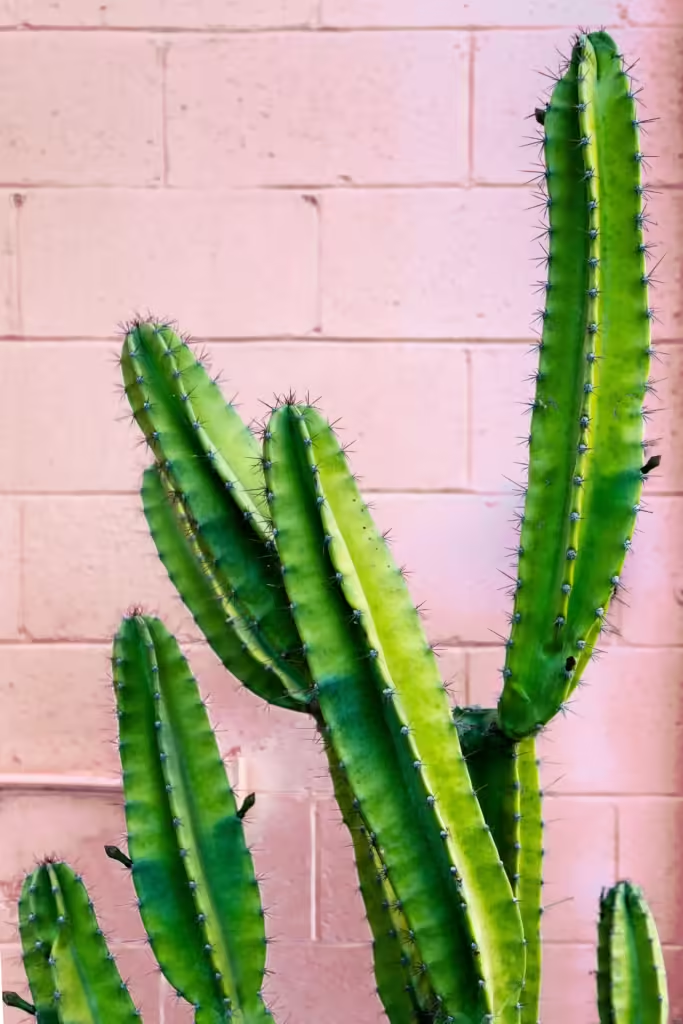
The Peruvian Apple Cactus, is a unique and captivating cactus variety that can add a touch of elegance to any garden. Hailing from the deserts of South America, it’s a hardy plant that can thrive in a variety of climatic conditions, making it the perfect addition to any gardener’s collection. However, growing Apple Cactus can be challenging for novice gardeners without the proper knowledge and guidance. If you’re looking to cultivate this fascinating cactus type, here’s the ultimate guide on how to do it right.
Caring for your Peruvian Apple Cactus
Peruvian Apple Cactus prefers dry soil conditions, so make sure you don’t overwater it. They enjoy bright, indirect sunlight, but they can also handle full, direct sunlight for a few hours every day. You can fertilize your cactus with a balanced, slow-release fertilizer during the growing season to encourage blooming. Bigger plants might need periodic pinching to keep their shape and prevent them from looking too leggy.
The Best Pot Type for Peruvian Apple Cactus
Peruvian Apple Cactus grows well in clay pots, which allow excess moisture to evaporate, preventing root rot. You can grow them in plastic pots, but you should make sure they have drainage holes to avoid waterlogging. A shallow pot with a width greater than depth is suitable for most sizes of cactus. You can also use decorative pots, like ceramic or terra cotta, but make sure they have drainage holes.
Soil Type
Peruvian Apple Cactus prefers a fast-draining soil mix, which mimics the sandy soil native to their natural environment. You can blend together equal parts perlite, sand, and cactus soil mix to create a well-draining soil mix. Before potting the plant, add a layer of gravel or sand at the bottom to facilitate drainage and prevent root rot.
Watering Requirements
Water your Peruvian Apple Cactus once every two weeks during the growing season. It’s best to water deeply and let the soil dry out between watering to prevent root rot. Reduce watering in the fall and winter, water only enough to keep the plant from drying out completely, as they go dormant during this period. If you notice any yellowing or softening of the cactus tissue, it might indicate overwatering or root rot – act immediately to prevent damage.
Light and Grow Lights
Peruvian Apple Cactus prefers bright, indirect sunlight but can tolerate full sun for a few hours daily. If you’re growing your cactus indoors, place it near a south or west-facing window to provide sufficient light. You can also use a LED grow light to supplement natural light, especially during the winter months. Be sure to have the lights 12-18″ away and get one that has a 12 hour on and 12 hour off switch.
Pest Control
Peruvian Apple Cactus is relatively pest-resistant but can suffer infestations from spider mites, mealy bugs, and scale insects. Check your cactus regularly for signs of insect damage and treat any infestation immediately with insecticidal soap or neem oil.
Propating your Apple Cactus
To propagate your Peruvian Apple plant, you can take stem cuttings during the growing season, dip the cut ends in rooting hormone, and plant them in a well-draining soil mix. Be sure to keep the soil moist until the cuttings root.
Happy Gardening!!
Growing Peruvian Apple Cactus is an excellent way to add some variety to your garden or home. Remember to provide ample light, well-draining soil, and avoid overwatering to ensure your cactus thrives. If you notice any signs of pest infestation or disease, act promptly to prevent damage. With the above guide, you can successfully grow and care for your Peruvian Apple Cactus, and enjoy its beauty bloom for years to come.
Please be sure to check out my Gardening Blog Post Page for more tips on all types of gardening. Including Seed Starting, Orchids, Water Gardening, Coldframe Gardening, Indoor Bulb Gardening, Hydroponics, Container Gardening, Mums, Herbs, African Violets, planting Bulbs, Flower Gardening, Vegetable and Fruit Gardening, Indoor Houseplants of all kinds, Cactus, Succulents, Hanging plants, Deer resistant plants and even Bird, Bee, Butterfly and Hummingbird Gardens!